Learn how to make homemade Fabric Softener for Washing Machine with water, vinegar and baking soda. A natural, inexpensive and effective recipe for soft, fresh laundry without harsh chemicals. Complete step by step guide, storage tips, real world advice and FAQs.
There was a time when I bought fabric softener without a second thought. I’d walk into the store, grab whichever one smelled best, and that was that. It seemed essential for laundry to come out right, soft and properly clean. Over time I started noticing a few things that made me rethink the whole routine. My clothes smelled too artificial, my towels weren’t absorbing the way they used to, and my washing machine was building up residue and strange odors I really didn’t like.
I also started paying attention to how much we spend on laundry products. Between detergent, softener, stain remover and fabric sprays, the monthly total adds up to far more than it seems. That’s when I started looking for simpler, more natural alternatives. I wanted something that actually worked, cost less, and didn’t load my clothes with things they don’t need.
That’s how I found homemade fabric softener with water, vinegar and baking soda. At first I was skeptical, because it’s hard to imagine something this simple working well. I figured my clothes would smell like vinegar or wouldn’t come out soft at all. But after a few weeks of using it, the results genuinely surprised me. Laundry came out clean, pleasant, lighter and with a much more natural kind of freshness.
This post contains affiliate links. If you buy through them you support my work, at no extra cost to you.
Why I switched to homemade fabric softener
For a long time I assumed a strong scent meant clean laundry. We’re so used to those intense fragrances that pulling out a load that simply smells clean feels strange at first.
Little by little, those powerful scents started to feel heavy and artificial to me. Some pieces were still smelling strongly days after they’d been put away in the closet.
I also started paying more attention to the machine itself. The rubber gasket had sticky buildup, the drum smelled off, and the dispenser drawer collected residue constantly. Even when I cleaned it, the problem came right back.
That’s when I felt the need to simplify some things around the house. I just wanted simpler, cheaper options that actually worked.
Why vinegar and baking soda work in the laundry
The mix looks too simple to do much, but that’s exactly the point. These are basic ingredients that have been used on fabrics for a very long time.
One thing worth understanding before we start: when vinegar and baking soda meet, they react and partly neutralize each other, which is what all that fizzing is. What you’re left with is a gentle, diluted solution rather than the full strength of either ingredient. That’s why plenty of people get the best results by using them separately, vinegar in the softener compartment and a spoonful of baking soda straight into the drum. The combined version in this post is milder, easy to keep in one bottle, and works well for everyday loads, so use whichever approach suits your routine.
Vinegar helps clear away residue
White cleaning vinegar works by helping lift detergent buildup out of fabric fibers. A lot of the time, stiff laundry isn’t a sign that you need more softener, it’s a sign of product building up load after load.
Once that residue is gone, fabrics feel much more natural. Vinegar also helps a lot with lingering odors. Workout clothes, towels and anything that’s picked up a damp smell tend to improve noticeably with this kind of wash.
Something else that surprised me is how it helps keep the machine cleaner. Since I started using it, I’ve noticed much less buildup and far less musty smell in the drum. One caution: some manufacturers advise against regular vinegar use because acid can wear on rubber seals and hoses over time, so check your manual, keep it diluted, and don’t let it sit in the dispenser between washes.
Baking soda helps neutralize odors
Baking soda is one of those ingredients that’s useful for a hundred things around the house. In laundry it’s especially good at neutralizing odors and making clothes feel fresher.
It works nicely with workout clothes, bedding, towels and any fabric that tends to hold onto stronger smells. It also balances the mix and leaves a cleaner overall feel.
Water keeps the mixture balanced
It may seem like the least important ingredient, but water dilutes the vinegar and baking soda properly so the mixture is easy to use and gentle on your machine.
Proportions matter, because too much baking soda can leave residue and too much vinegar isn’t necessary. The key is keeping the mix simple and balanced.
How to make homemade fabric softener step by step
After trying different recipes, this is the one that works best in my house and the one I make every time.
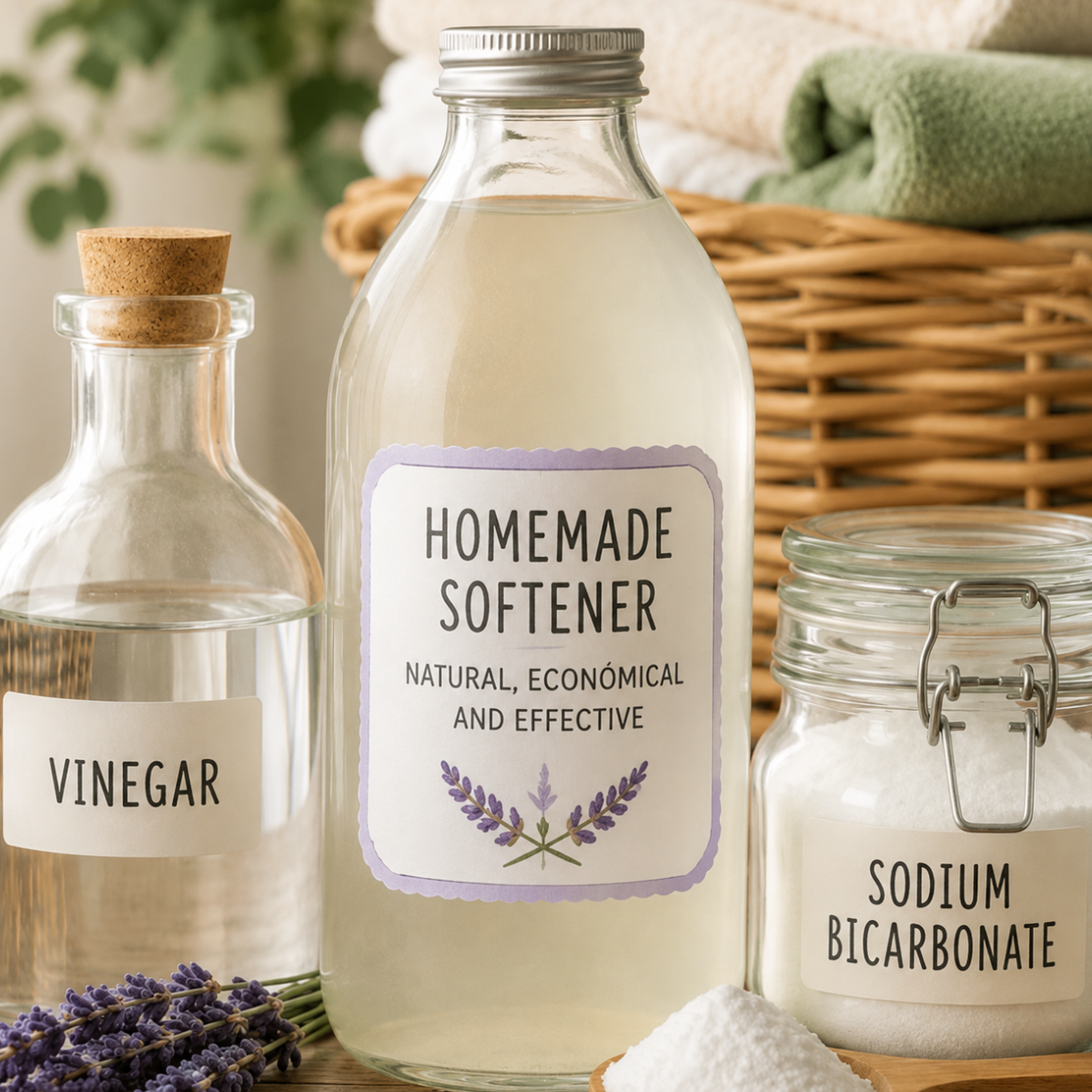
A step by step guide to making homemade fabric softener for your washing machine
Total Time: 10 minutes
Get a large container ready
Use a roomy container so the mixture doesn’t overflow when the vinegar meets the baking soda. Work in the sink, since it will fizz up a lot.
Add the water and vinegar
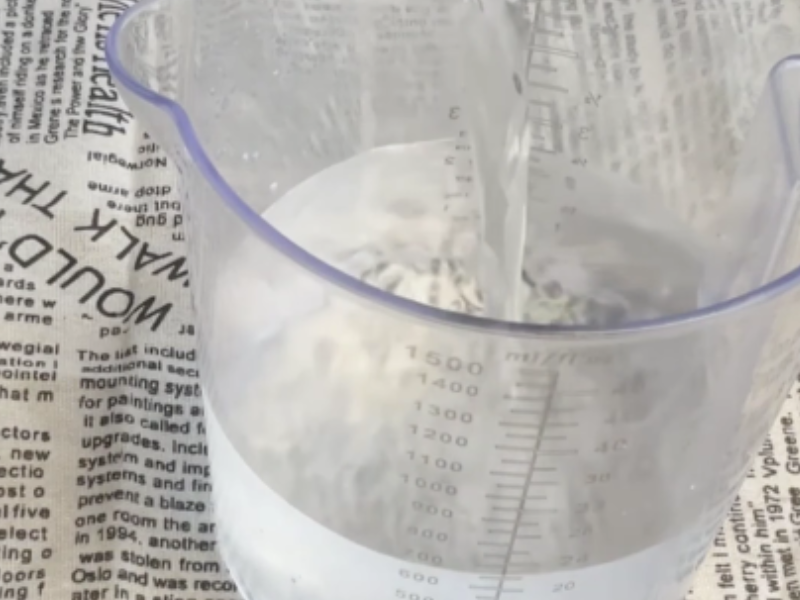
Pour in the hot water first, then add the white vinegar a little at a time.
Add the baking soda
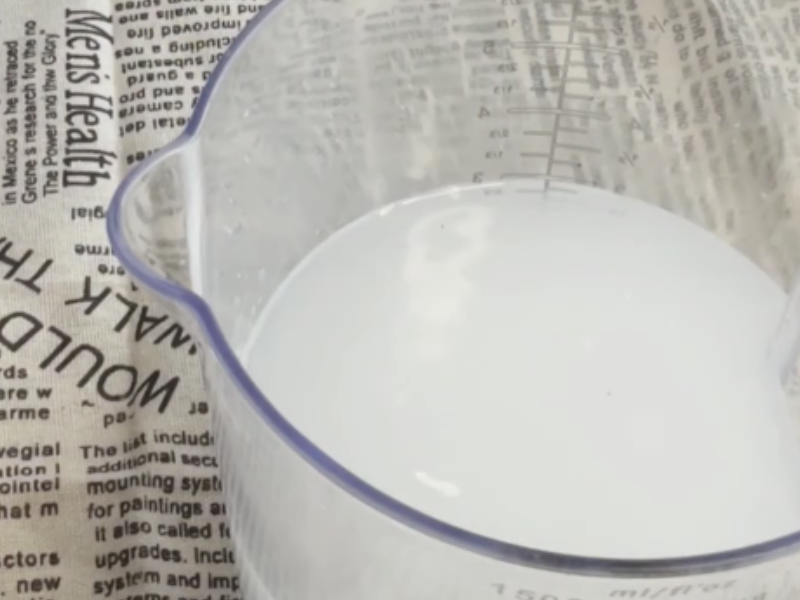
Add the baking soda slowly while stirring gently. The mixture will foam up, so don’t dump it all in at once.
Add scent if you like
Stir in a few drops of essential oil if you want a more pleasant, natural scent. Keep it to a few drops, since oils don’t dissolve in water and too much can mark fabric.
Store the mixture
Once the fizzing has completely stopped, pour the softener into a reusable bottle, label it, and close it well. Don’t seal it while it’s still bubbling, since gas can build up.
Use it in the wash
Add about 4 teaspoons to the fabric softener compartment before starting the cycle. Shake the bottle first.
Tools:
- A large container.
- A spoon for stirring.
- A reusable bottle with a cap.
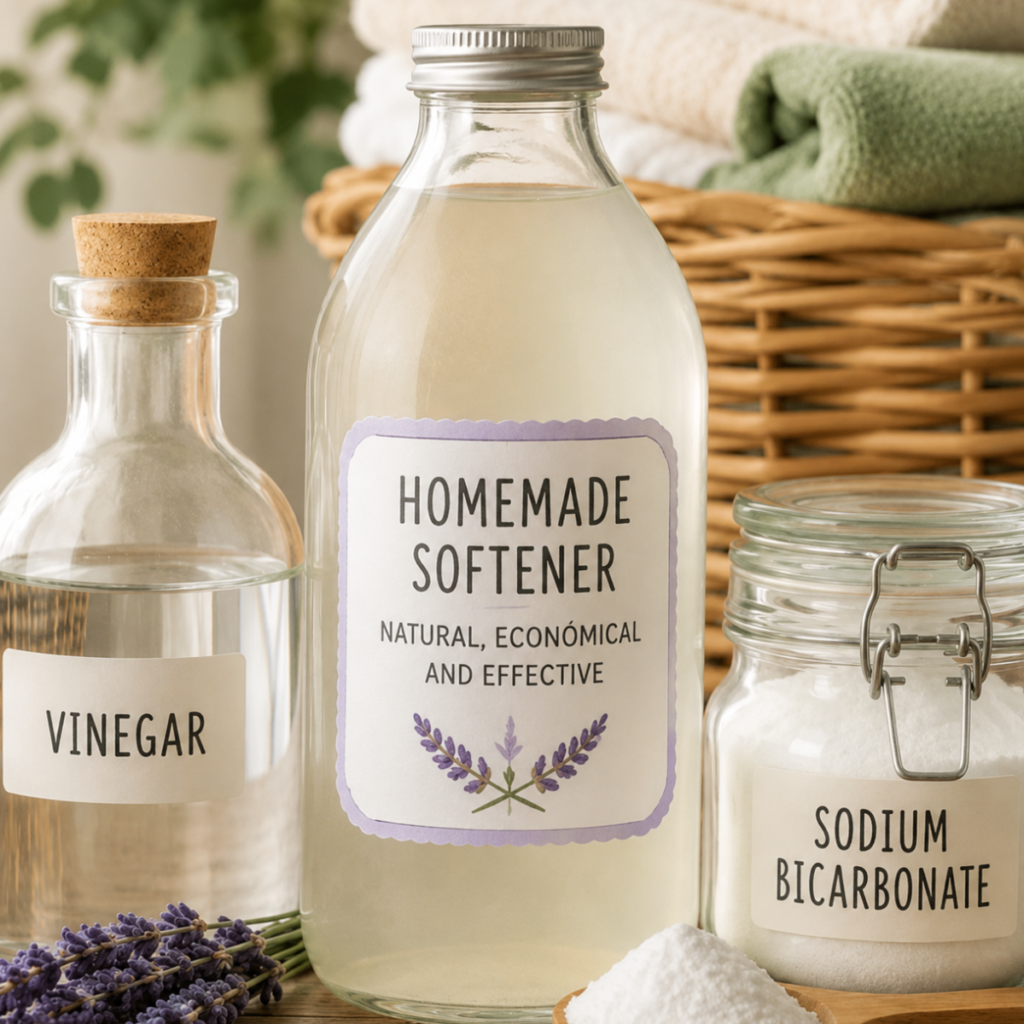
Materials: 2 cups (500 ml) water. 1/2 cup (125 ml) white cleaning vinegar. 1/3 cup (66 g) baking soda. A few drops of essential oil, optional.
You can watch it on YouTube
How to use homemade fabric softener correctly
One of the most common questions is how to use it in the machine. The answer is exactly the same way you’d use a store bought softener.
Where it goes
Put it in the compartment meant for fabric softener. The machine will release it automatically during the rinse cycle. One important rule: never combine it with chlorine bleach in the same load or the same compartment, since vinegar and bleach together produce toxic fumes.
How much to use
You don’t need much. For a regular load I use about 4 teaspoons. For towels or blankets I add a little more, since it really helps bring back softness and clear out odors.
Over time I learned that using more product doesn’t improve the result. Simple, balanced mixtures tend to work far better.
What surprised me most about using homemade softener
The first thing I noticed was the difference in my towels. They got much softer and, above all, they started absorbing water properly again. It sounds like a small thing, but you notice it every single day.
The overall feel of clean laundry also caught my attention. It doesn’t have that strong artificial smell some commercial softeners leave behind. Clothes just smell clean. It can feel strange at first if you’re used to intense fragrances, but eventually you end up preferring the more natural version.
The machine changed a lot too. Since I started using vinegar I’ve noticed less residue, fewer bad smells and much less buildup on the gasket and in the dispenser.
The real benefits of homemade softener
It saves a meaningful amount of money
The savings are bigger than you’d expect. Vinegar and baking soda are cheap and a container lasts a long time. Compared with buying softener over and over, the difference shows up fast.
It cuts down on products you don’t need
I keep trying to simplify the products I use at home. A lot of the time we buy things because we assume they’re essential when much simpler options exist.
Homemade softener helps cut back on artificial fragrance and other ingredients that don’t add much to your laundry.
It’s a more sustainable option
You generate less packaging and less waste. Plus you can keep reusing the same bottle for every new batch.
These are small changes, but kept up over time they add up to a real difference.
You can customize the scent
This is one of my favorite parts. Depending on the season or the type of laundry, you can completely change how a load feels.
Lavender is lovely for bedding. Lemon adds brightness and a clean feel. Eucalyptus works well for towels and workout clothes.
Common mistakes when making homemade fabric softener
Adding too much baking soda
People often think more baking soda means better results, but that isn’t how it works. Too much can leave residue on clothes or in the machine.
Using something other than white vinegar
White vinegar is the one to use because it doesn’t stain and works well for laundry. Other types can leave marks on light colored fabrics.
Expecting a strong perfume
Your laundry isn’t going to smell like a heavily fragranced commercial softener. The result is much more natural. Clothes smell genuinely clean.
Leaving laundry sitting in the machine
This makes a huge difference to how things end up smelling. As soon as the cycle finishes I try to get the laundry out, which prevents dampness and musty odors.
How to store your homemade softener
Storage is simple and nothing to overthink.
How long it lasts
I usually make enough for several weeks and it holds up fine. The main thing is keeping it well sealed. Label the bottle with the date and what’s in it, and keep it out of reach of children and pets.
Where to keep it
Somewhere cool and out of direct light is ideal. A cleaning cabinet or any dry spot in the house works.
Do you need to shake it first?
Yes. It’s completely normal for some ingredients to settle a bit over time. Just give the bottle a gentle shake before using it.
The best essential oils for homemade softener
Essential oils let you customize the mix and completely change how a load of laundry feels. Use them sparingly, and if you have cats or birds at home, look into which oils are appropriate around them before adding any.
Lavender
Relaxing and pleasant. I love it for sheets and blankets because it leaves a soft, fresh feel.
Lemon
Bright and fresh. It works especially well with whites and towels.
Eucalyptus
Perfect for workout clothes or anything that needs an extra hit of freshness.
Tea tree
A good pick for stubborn odors and that damp smell.
Sweet orange
Warmer and cozier. Especially nice in winter.
How to get great smelling laundry without artificial fragrance
At first it’s hard to let go of the idea that clean laundry has to smell strongly of something. Over time you start noticing that real freshness doesn’t need an over the top perfume.
Air circulation is essential. Hanging clothes properly changes the outcome enormously. It also helps to get the load out of the machine quickly so nothing sits there damp.
Closets matter more than people think. Sometimes we assume the problem is the wash when the smell is actually coming from a closet that doesn’t get any air.
Essential oils help a lot, but use them in moderation. Too much can be overwhelming and can even leave marks on fabric, since oil and water don’t mix. If you use a dryer, keep in mind that oil residue on fabric is best avoided there.
My natural laundry routine
Over time I’ve settled into small habits that make laundry come out much better without needing so many products.
For everyday clothes I use homemade or eco friendly detergent plus the homemade softener in its compartment. I usually pick eco or quick cycles, since everyday laundry doesn’t need endless washes.
For towels I use slightly hotter water and a bit more softener. The difference in softness and absorbency is huge.
Workout clothes improve a lot with a spoonful of baking soda added straight into the drum. It really helps with stubborn odors.
Sheets are probably where I notice the change most. I love using lavender, because the bed feels clean, soft and wonderful when it’s freshly made.
Homemade versus store bought softener
Commercial softeners lean heavily on fragrance. The scent often lasts a long time, but they also leave residue on fabrics and in the machine, which is part of why towels lose absorbency.
Homemade softener works differently. It isn’t trying to cover odors with perfume, it’s helping clean the fibers so laundry comes out fresh on its own.
There’s a big difference in cost, too. Homemade is far cheaper and a batch lasts a while.
Another advantage is that you can adapt the mix completely to your own taste and needs.
Frequently asked questions about homemade fabric softener
Will my clothes smell like vinegar?
No. Once the laundry dries, the smell goes away and all that’s left is a clean feel.
Can it damage my washing machine?
Used properly and well diluted it shouldn’t cause problems, and many people find it helps keep the machine cleaner. That said, some manufacturers advise against regular vinegar use because acid can wear on rubber seals over time, so it’s worth checking your manual and not leaving it sitting in the dispenser.
Can I use it for every load?
Yes, though for very delicate items like silk or wool I prefer to use less. Always check the care label first.
Does it work for workout clothes?
Yes. It’s especially good at dealing with stubborn odors.
Do I have to use essential oils?
No. They’re completely optional and the softener works just the same without them.
Can I mix it with detergent?
Each product should go in its own compartment so the machine dispenses them at the right point in the cycle. And never combine it with chlorine bleach, since vinegar and bleach together release toxic fumes.
How much should I use?
About 4 teaspoons is usually enough for a normal load.
What I appreciate most after years of making my own
What I like most isn’t only the savings or using fewer products (though it’s that too). What I really value is the simplicity.
Discovering that something this basic can work this well changes how you see a lot of household routines. We often accumulate products we don’t need because we assume that more equals better.
Over time I’ve learned that simple solutions tend to be the ones that work best and the easiest to actually keep up with.
Laundry comes out clean, soft and pleasant. The machine stays in better shape. Costs drop noticeably. Everything gets more practical.
Making fabric softener with water, vinegar and baking soda is one of those small changes that ends up making a real difference at home.
It’s easy to make, cheap and effective. It helps keep laundry soft, cuts down on odors and leaves a much more natural clean than a lot of commercial products.
It also simplifies your laundry routine and reduces what you spend on products. With basic ingredients you probably already have at home, you can get very good results without overcomplicating anything.
If you’ve ever thought about trying more natural options for your laundry, this one is worth it. Give it a few weeks and you’ll notice the change both in your clothes and in the machine itself.
If you make your own softener too, or you have a laundry trick of your own, I’d love to read about it in the comments and pick up some new ideas.