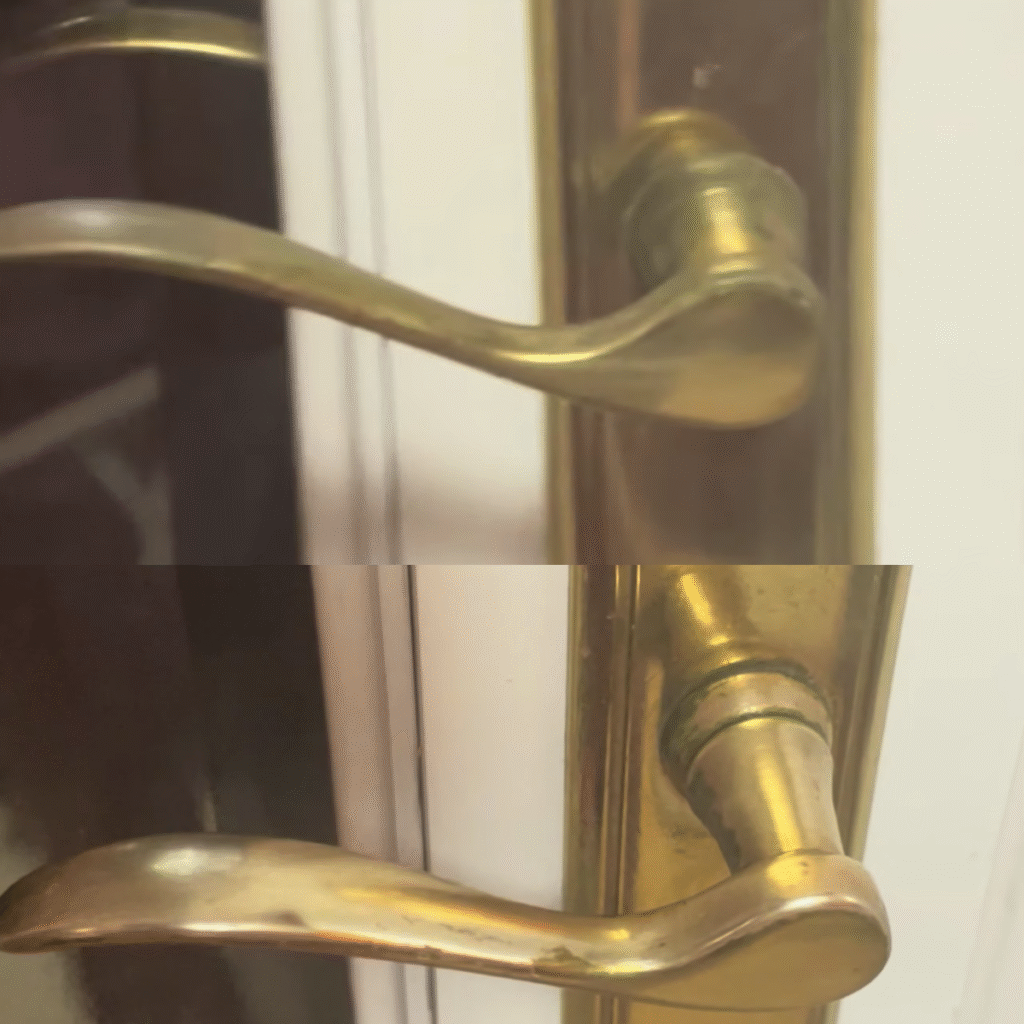
Learn how to clean doorknobs with lemon for a fresher, cleaner home with a pleasant citrus scent. It’s an easy, natural, and affordable way to keep them clean without harsh chemical cleaners
There are things you clean without giving them much thought: the kitchen, the bathroom, the countertops… But be honest: how often do you clean your doorknobs? I didn’t clean mine very often either. Then one day, after spending half the winter with a cold, I read that doorknobs are among the surfaces that can harbor the most bacteria in the home
I was stunned. Of course, we touch them all the time: when we come in, when we go out, after cooking, after coughing… No wonder they get so dirty. That’s when I remembered my old trick for almost everything: lemon. I always keep a few lemons in the kitchen. I use them to clean the sink, freshen up cutting boards, and get rid of odors in the fridge, so I thought that if lemon worked for all of that, it might work on doorknobs too. And I was right. I haven’t used anything else since
Why Lemon Is Such a Great Natural Cleaner
Lemon is a real gem when it comes to cleaning. Its natural acidity helps cut through grease and grime, while its fresh scent makes the whole house feel cleaner. It can also leave many surfaces looking beautifully shiny.
The citric acid in lemon acts as a natural cleaning agent, helping to loosen limescale, cut through grime, and neutralize unpleasant odors. Its natural oils also add a fresh citrus scent. Best of all, lemon is inexpensive and easy to find, so it’s a handy option when you want to cut down on conventional cleaning products.
What’s Hiding on Your Doorknobs
I never imagined that something so small could collect so much grime, but doorknobs really are touched constantly. Every time someone grabs one, they can leave behind some of whatever is on their hands. If you have kids at home or lots of visitors, that transfer happens all day long.
It’s not just about dust or grease. Because doorknobs are touched by so many different hands, they can pick up plenty of germs along the way, especially when they aren’t cleaned regularly.
What Makes Lemon So Effective for Cleaning
he secret lies in lemon’s natural composition. It contains citric acid and natural oils that make it useful for many household cleaning jobs. Citric acid can help cut through grease, loosen limescale, and tackle some surface stains, while the oils leave behind a fresh, unmistakable citrus scent.
Lemon’s acidity can also help tackle unpleasant odors, so besides cleaning, it leaves behind a fresh, pleasant citrus scent.
How to Clean Doorknobs with Lemon: Step by Step
I’ll give you my favorite recipe, the one I always use and that never fails me:
Ingredients
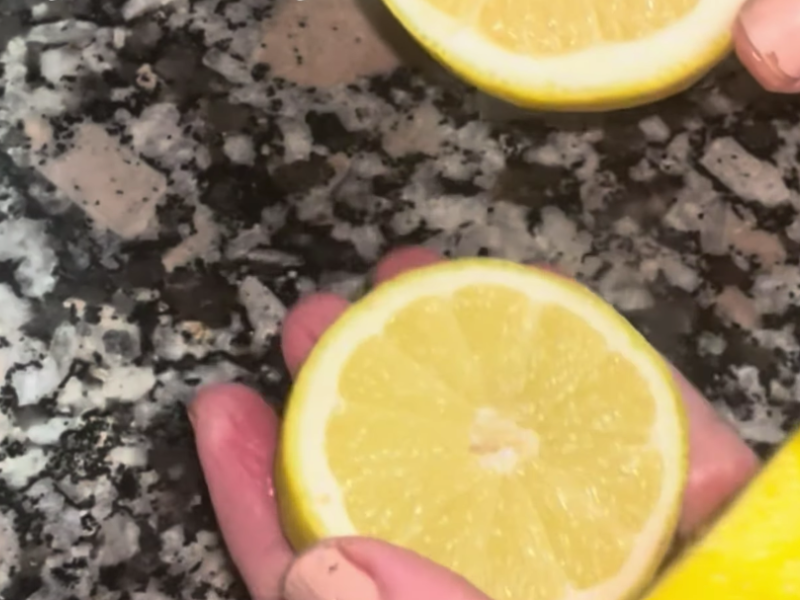
- A large lemon, preferably organic.
- A glass of water.
- Two tablespoons of white vinegar.
- A teaspoon of baking soda.
- A spray bottle.
- A microfiber cloth.
Preparation
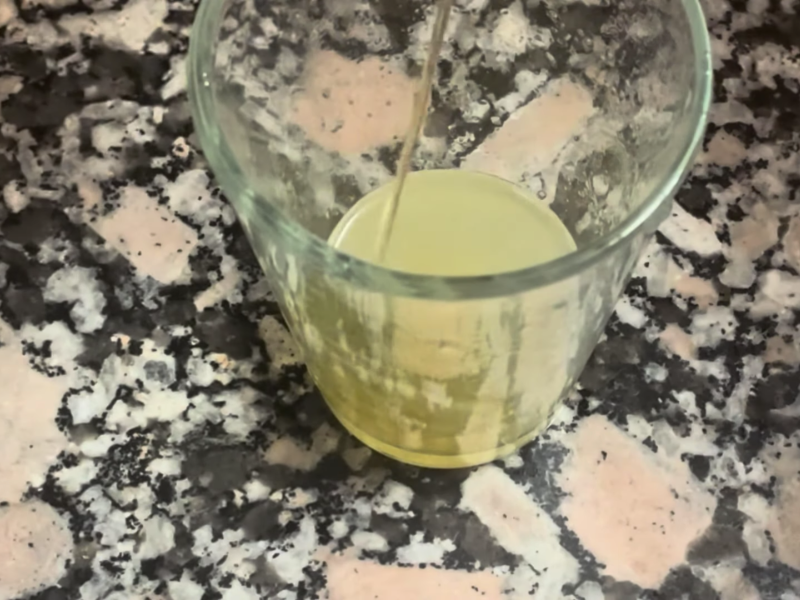
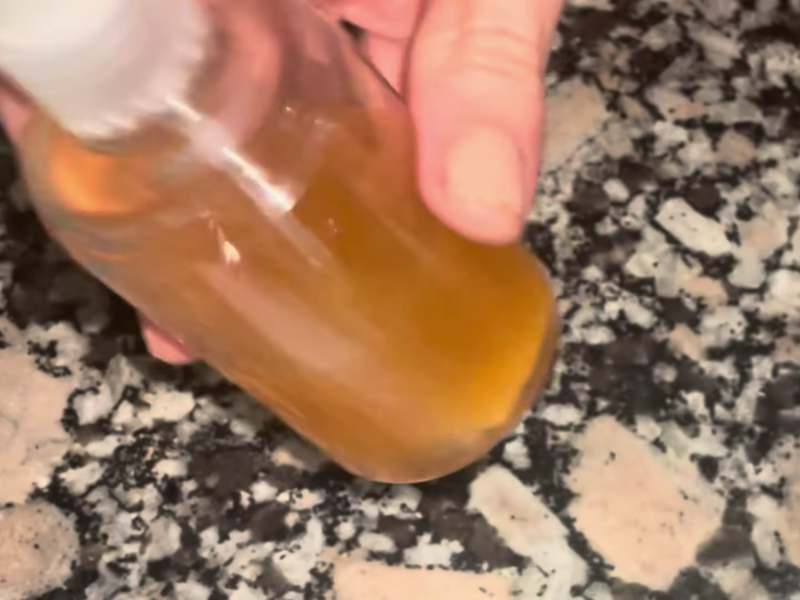
- Squeeze the lemon and strain the juice to remove seeds or pulp.
- Mix the juice with the vinegar in the spray bottle.
- Shake well to combine.
- Mix the baking soda with the water in a separate container. You’ll use this solution afterward to help neutralize any remaining acidity.

Application
Spray the mixture directly onto the doorknob, or apply it with a cloth. Rub gently for a few seconds, let it sit for about a minute, then wipe the surface with another clean cloth dampened with the baking soda solution.
The result is lovely: the doorknobs look shinier, everything smells fresh, and the grime comes off with very little effort. You can also pair this trick with your favorite citrus cleaner when tackling the rest of the house.
You can see it on video:
https://youtu.be/QgKk1e8X7Rw?si=c2YYwLLR2B0ArrAk
Adjustments for Different Materials
Not all knobs are the same, so it’s better to tweak the mix a bit depending on the material.
Stainless Steel Doorknobs
The lemon-and-vinegar mixture works well here, helping to remove grime and restore shine.
Brass Doorknobs
You can use lemon with a pinch of salt. The salt adds a little extra abrasion and can help lift tarnish. Rinse thoroughly afterward and dry well to prevent marks.
Painted or Varnished Doorknobs
Avoid applying lemon directly to the surface. Dampen a cloth with the mixture and wipe it gently over the doorknob without letting it sit for too long.
Wooden Doorknobs
For wooden doorknobs, it’s better to use only a small amount of lemon juice diluted with water, without vinegar or baking soda. Wipe with a damp cloth and dry the surface immediately.
How to Store Your Homemade Cleaner
Since it doesn’t contain preservatives, it’s best to make a small amount and use it within a few days. If you have leftovers, store it in a glass jar with a lid in the fridge.
For best results, make only as much as you expect to use within a few days. If the mixture changes in appearance or smell, discard it and make a fresh batch.
Other Uses for Lemon Cleaner
One of the best things about this cleaner is that it isn’t just for doorknobs. You can also use it on:
- Faucets with limescale buildup.
- Window handles.
- Stainless steel appliances.
- Light switches.
- Cabinet handles.
It’s so versatile that you may find yourself using it all around the house. Just remember not to combine homemade cleaners with other cleaning products unless you know they can be safely mixed.
Benefits of Cleaning with Lemon
After using it for a while, it’s clear to me: there’s nothing like it.
- The fresh scent can linger for hours.
- TThe house smells fresh without relying on artificial fragrances.
- It can help clean a variety of household surfaces.
- It’s cheap and can be prepared in a minute.
- It’s eco-friendly.
And there’s something else that’s harder to explain but just as real: the satisfaction of cleaning with simple ingredients you already know and use around the home.
A Little History of Lemon and Cleaning
Lemon has been used in household cleaning for centuries. Various historical traditions paired acidic ingredients such as lemon with salt and vinegar for cleaning, long before modern commercial cleaners became commonplace.
ESailors also carried lemons aboard ships, most famously as a way to help prevent scurvy. The idea that such a simple ingredient can still be useful around the home today feels almost magical to me.
Precautions and Useful Tips
Although lemon is mild, it’s good to take a few precautions. Don’t leave it on delicate metals for too long, since the acid can react if it’s allowed to dry. Never mix it with bleach or other chemicals. If you have sensitive skin, wear gloves. And if your knobs are made of bronze or wood, test it first in a linconspicuous area.
One trick I love is gently rubbing the surface with a piece of lemon peel after cleaning. The natural oils can add a little extra shine, and the citrus scent lingers longer.
Cleaning as a Little Ritual
Over time, I’ve learned to see cleaning as a way of taking care of my space. When I use simple, natural ingredients, everything feels different—the scent, the atmosphere, even the moment itself! ^^
There’s something revitalizing about the scent of lemon: it wakes you up and lifts your mood. Cleaning stops feeling quite so much like a chore and becomes a small, enjoyable routine. Plus, using a few simple ingredients instead of reaching for a conventional cleaner every time can make the whole process feel more pleasant. The house smells wonderfully fresh afterward.
Summary

A quick homemade cleaner made with lemon, vinegar, and water that helps leave doorknobs clean, shiny, and smelling fresh. It’s an easy option for everyday cleaning and leaves behind a natural citrus scent..
Total Time: 10 minutes
Squeeze the lemon and strain the juice to remove seeds or pulp.
Mix the juice with the vinegar in the sprayer.
Shake the mixture well to combine.
Mix the baking soda with the water in a separate container. Use this solution afterward to help neutralize any remaining acidity.
Warnings
Do not use on unvarnished wood or delicate surfaces without testing first.
Avoid mixing vinegar with bleach (never combine).
Keep away from children and pets.
Store the cleaner in the refrigerator and use it within a few days.
Tools:
- A spray bottle or jar with a diffuser.
- A microfiber cloth.
Materials: A large lemon, preferably organic a glass of water. Two tablespoons of white vinegar. A teaspoon of baking soda.
Frequently Asked Questions
Can I use bottled lemon juice?
Fresh lemon juice is the better choice because it retains the natural oils that give lemon its characteristic scent.
Does it work without vinegar?
Yes. You can use diluted lemon juice on its own, although the vinegar can give the mixture a little more cleaning power on certain surfaces.
Can I Use It on Plastic Doorknobs?
Yes, provided the surface is nonporous. Apply it with a damp cloth and dry the surface thoroughly afterward.
Does it leave a strong smell?
No, the smell is fresh and pleasant, and it disappears after a little while.
How Often Should You Clean Doorknobs?
Once a week is a good general routine, although you may want to clean them more often in a busy household.
Since I started using it, the doorknobs in my house have looked much cleaner and shinier; that dull finish is gone. They also seem to stay looking clean for longer.
I like it because it makes me feel as though I’m taking care of my home with simple, everyday ingredients. Every time I squeeze a lemon for cleaning, I get that feeling of going back to basics. It’s a small gesture, but it connects me with the idea of keeping a home fresh and simple. And whenever someone walks in and tells me how fresh the house smells, I know the effort was worth it.
Sometimes we think that cleaning well means using strong or expensive products, but that’s not the case. The simplest things usually work best. A lemon, a bit of water, and some care are enough to make everything shine.
Give it a try: grab a lemon, squeeze it, and start with that grubby doorknob you see every day. You might be surprised by the difference
Have you ever tried cleaning with lemon? Do you have any tricks that work especially well for you? Tell me in the comments, I love reading your ideas and continuing to learn together.