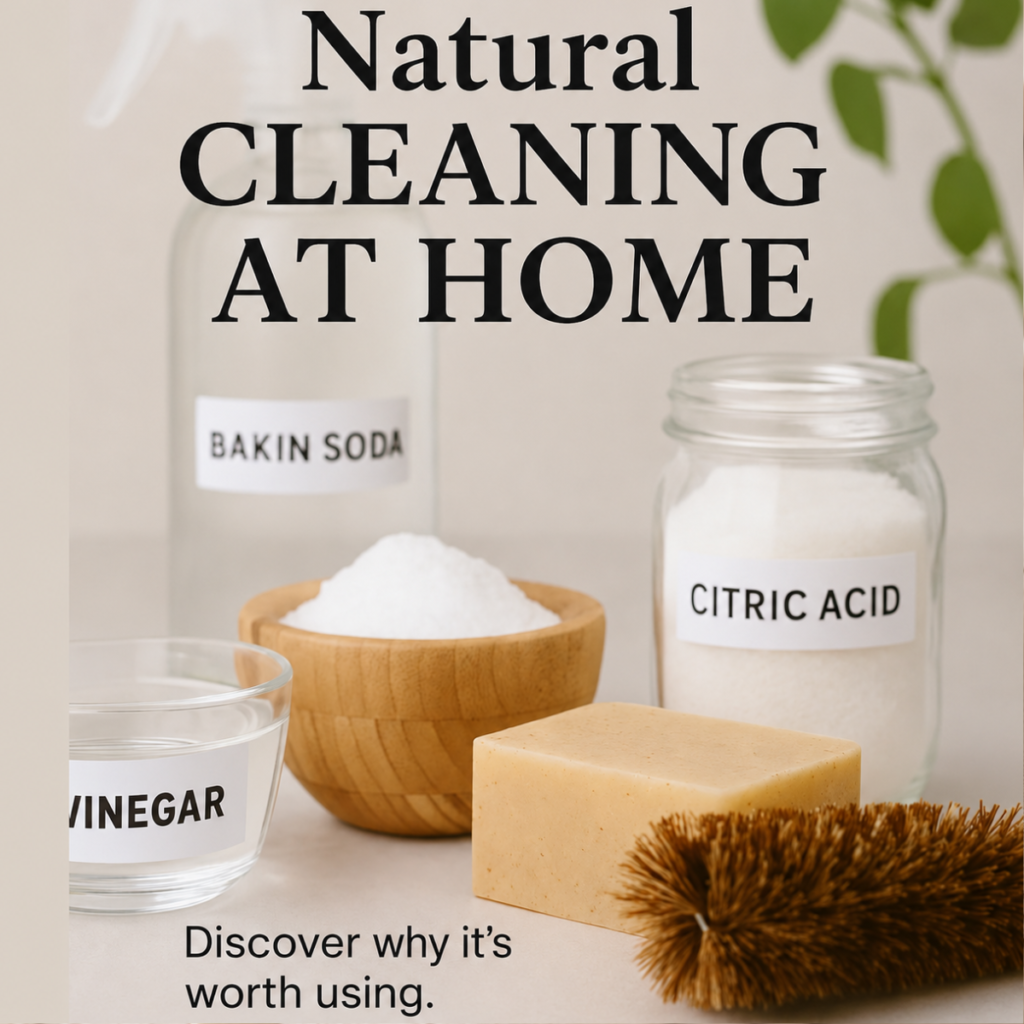
Impossible to remove wine stains? Here’s my complete guide to home remedies for lifting red wine out of just about any fabric. Save your clothes and rugs with easy, fast tricks that skip the harsh chemicals. These really can work!
There’s nothing more frustrating than wearing a new dress or setting out that tablecloth you love, only to have one drop of red wine ruin everything in a split second. But today I’m telling you: take a breath. A wine stain is not a death sentence for your clothes. In fact, if you know how to react, it can end up being nothing more than a funny story from dinner.
Over the years I’ve tried just about everything. I’ve watched people pour salt like there’s no tomorrow, and others run to the bathroom for hairspray… and look, some things work and some are a complete disaster. In this guide I’m opening up my book of household spells so you know exactly what to do based on the fabric and the timing. Let’s get to it!

First Aid: What to Do in the First 30 Seconds to Remove Wine Stains
When wine spills, time is either your best friend or your worst enemy. I always say the first few seconds are critical. First and most important, and this one is sacred: do not rub. If you rub, all you’re doing is pushing the wine pigment deeper into the fibers and spreading the stain out. It’s the most common mistake and the one that ruins the most clothes.
What you want to do instead is grab a paper napkin or a clean cotton cloth and press gently on the stain. The goal is to soak up as much liquid as you can before it dries. If you’re at a restaurant and have nothing on hand, you can even press a bit of soft bread onto the drop. Once you’ve lifted the excess, it’s time for the heavier artillery I’m about to walk you through.
Why Red Wine Is So Hard to Remove (But Not Impossible)
To beat your enemy you have to understand it, right? Red wine contains compounds called anthocyanins, which are the natural pigments in grapes. These pigments love natural fibers like cotton, linen and wool. They cling to them almost like a fabric dye. Wine also contains tannins, which are what make the cleanup harder once the stain dries or if you apply heat to it.
One very important warning before we get into the tricks: never put a garment with a wine stain in the dryer, and don’t wash it in hot water, unless you’re certain the stain is completely gone. Heat tends to set the tannins and pigment, often permanently. If you do that, you may well be saying goodbye to that piece. Stick with cold or lukewarm water until the stain is gone.
1. The Salt Trick: King of the Quick Fixes
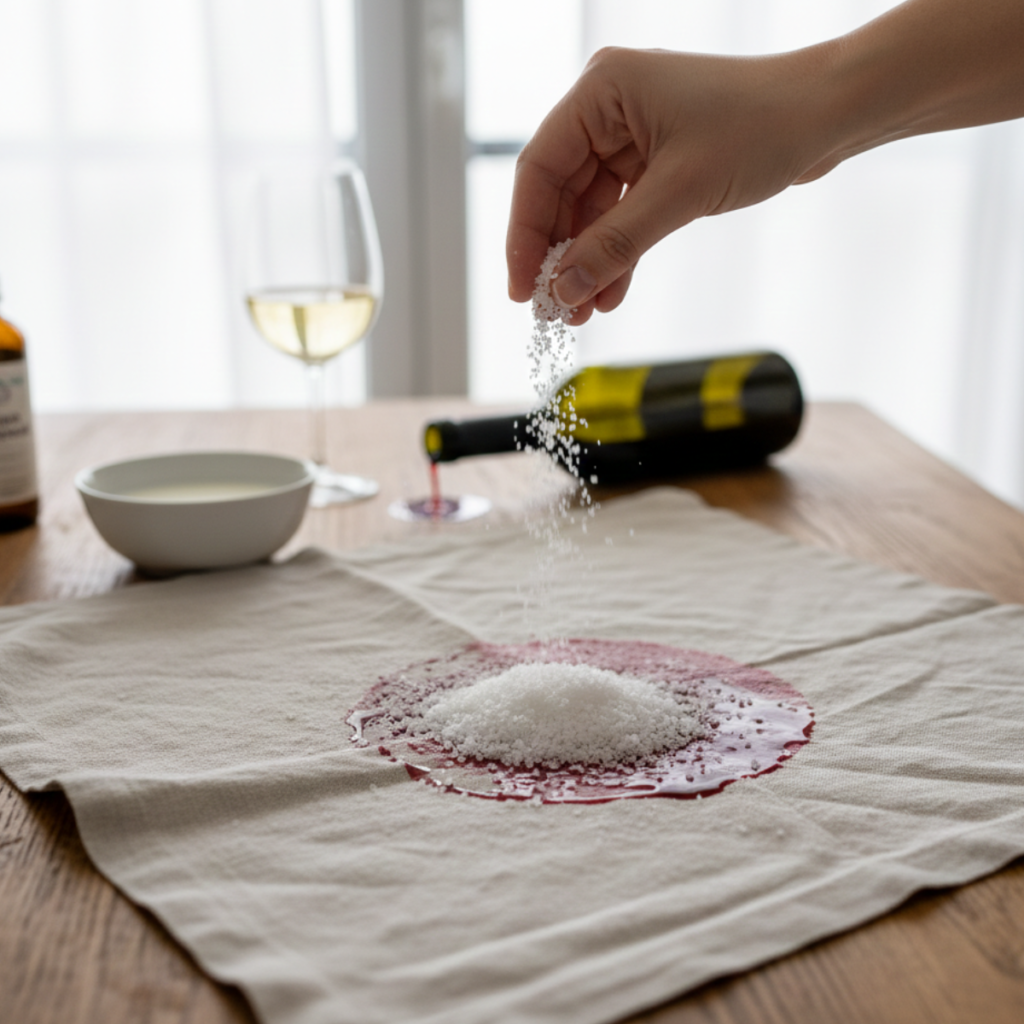
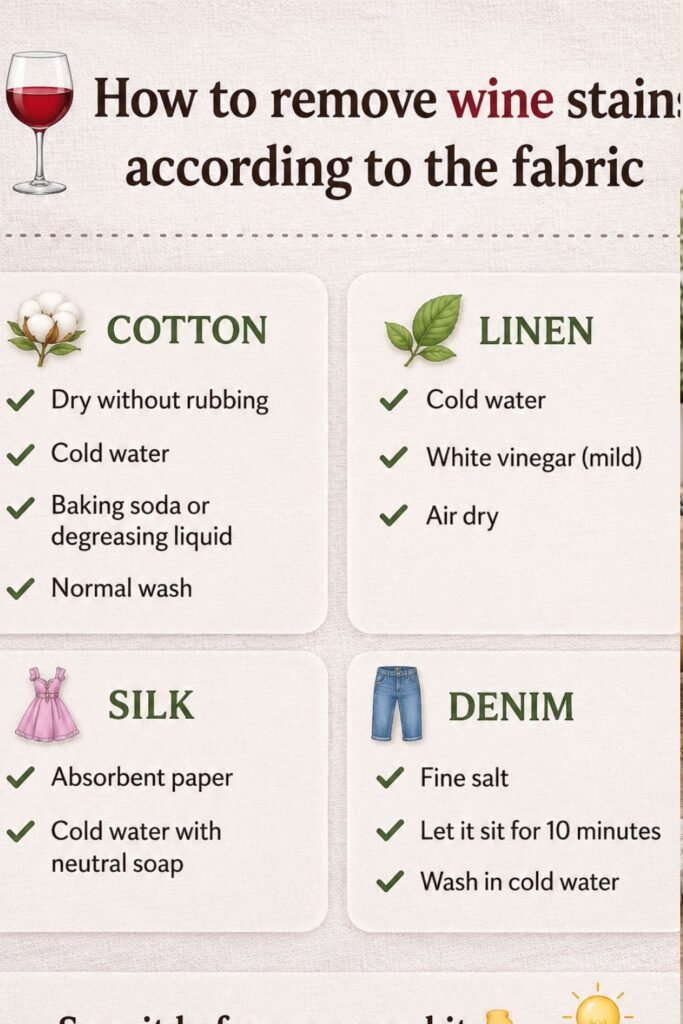
This is the classic of classics for removing wine stains. If you’re at a dinner and the wine goes over, ask for the salt shaker. But there’s a right way to do it. It’s not about sprinkling a little on, it’s about burying the stain completely under a mound of fine salt.
Salt is remarkably absorbent. What it does is pull the moisture out of the wine and, along with it, a good deal of the pigment before it sets. Let it sit for at least ten or fifteen minutes and you’ll notice the salt turning pink or purple. That’s a good sign, it means it’s working. Then brush the salt away carefully and the stain should look noticeably lighter. After this, you’ll still need to launder the item as usual, but the hard part is done.
One small piece of advice from a friend: don’t leave the salt sitting there for hours. If it dries out completely, it can be a little abrasive on very delicate fabrics like silk. This is an emergency measure, not a set it and forget it solution.
2. White Wine vs. Red Wine: Chemistry Right at Your Table
This trick surprised me the first time I saw it. It sounds backwards, pouring more wine onto a wine stain? But yes. White wine seems to help dilute and lift the dark pigments in red wine, which makes the stain easier to remove.
If you’ve just spilled red and you have a bottle of white nearby, pour a splash directly onto the stain. It helps keep the red pigment from setting into the fibers. Then press with a napkin to soak up the mixture. It’s striking how much the dark color fades. It’s almost as if the white wine throws the fabric off the scent. After that, wash the item with soap and water and you should find it comes out far more easily.
3. Warm Milk: Grandma’s Secret for Dried Stains
What if you don’t notice the stain until the next day? Don’t worry, all is not lost. This is where milk comes in for removing wine stains. It’s one of my favorite methods because it’s incredibly gentle on fabric but tough on wine.
Warm some milk in a saucepan. It doesn’t need to boil, just get nice and warm. Submerge the stained section of the fabric in the milk and let it soak. The milk works as a deep cleaner that gradually loosens the wine pigment from the fibers. Depending on how stubborn the stain is, you can leave it anywhere from half an hour to a couple of hours. You’ll see the milk start to take on color. Then rinse with cold water and wash as usual. This one works beautifully on cotton sheets and tablecloths. Just don’t leave it soaking for hours on end, since warm milk will start to smell, and rinse thoroughly afterward.
4. The Power Potion: Hydrogen Peroxide and Dish Soap
If the stain is holding on and the gentle tricks haven’t done it, it’s time to bring out the heavy artillery. This mixture is my absolute favorite for light or white fabrics because it works fast. The hydrogen peroxide acts as a mild bleaching agent and the dish soap breaks down the oils and pigment that have latched onto the fiber.
How to Mix This Little Miracle for Wine Stains
Mix equal parts hydrogen peroxide (the standard 3% kind from the drugstore) and a good liquid dish soap, the kind that advertises cutting grease on the toughest pans. Stir gently without working up a lot of foam.
Apply the mixture directly to the wine stain. You’ll see it start to bubble a bit and the dark purple color shift toward gray or even yellowish. That means the oxygen is doing its job. Let it sit for ten or fifteen minutes, but don’t let it dry completely. Then rinse with cold water and, in most cases, you’ll watch the stain go down the drain.
A friendly warning so you don’t come back mad at me: hydrogen peroxide can strip the color out of darker garments. Use it only on white, beige or very light colors. If you’re not sure, do a spot test somewhere hidden, like the inside hem. It’s also worth wearing gloves if your hands are sensitive, keeping it away from your eyes, and never mixing it with bleach or other cleaning products.
5. The Gravity Method: Boiling Water From a Height
This is one of the most satisfying tricks to watch for removing wine stains. It’s ideal for cotton or linen tablecloths that can handle heat. I call it the high dive method because you need a little altitude.
Find a large bowl or a pot and stretch the stained part of the fabric over the top, securing it with a rubber band so it’s taut like a drumhead. Now bring water to a boil. Once it’s going, take the pot and pour the water over the stain from about 8 to 12 inches up.
Why from up high? Because the force of the falling water, combined with the temperature, pushes the wine right out of the fibers. It’s like a miniature pressure wash. You’ll watch the wine pass through the fabric and land in the bowl, leaving the cloth clean. It’s honestly amazing to see in person. Do be careful here, though: you’re handling boiling water, so work over a sink, keep kids and pets out of the way, and skip this one entirely on synthetics or anything delicate.
6. Fussy Fabrics: What to Do With Silk and Wool
This is where a lot of us go wrong, because panic gets the better of us. If wine lands on a silk blouse or a chunky wool sweater, forget the boiling water and the mountain of salt. These fabrics are animal proteins and they react badly to sudden temperature changes or friction.
For silk, rubbing alcohol is usually your best bet. Dip a cotton swab or a lint free cloth in alcohol and dab at the stain, working from the outside edge toward the center. The alcohol helps dissolve the pigment without swelling silk’s delicate fibers. Work in a well ventilated spot and keep it away from open flames, since alcohol is flammable. Then take the piece to the dry cleaner and tell them what you did, because being upfront with a professional often saves the garment.
For wool, club soda or tonic water are your allies. The bubbles help keep the wine from settling in. Wet the area with club soda and press with a dry towel. Repeat until the towel comes away clean. Wool holds a lot of liquid, so be patient and don’t wring the sweater out, or you’ll end up with one sleeve longer than the other and no home remedy fixes that.
7. Carpet Drama: Rescue in the Living Room
If the wine landed on the rug or the sofa, we can’t exactly hold it under the faucet (if only it were that easy). Here the shaving cream trick is the one to reach for. Yes, you read that right, shaving cream, the classic white foamy kind, not gel.
First, blot up as much wine as you can with paper towels. Then cover the stain with a generous mound of shaving cream. Spread it a little with your finger and let it sit for about fifteen minutes. The foam’s structure helps trap the pigment and bring it up to the surface. Then blot it away with a damp cloth. Test a hidden spot first, since upholstery dyes vary a lot.
If your rug is made of natural fibers like jute or sisal, be extra careful, because the wine settles down into the weave. There I’d use dry baking soda to absorb as much as possible, then vacuum thoroughly before trying any liquid at all.
8. What If the Stain Is White Wine?
White wine seems harmless because it’s so light, but watch out, it contains sugars. If you leave a white wine stain untreated, over time and with heat it oxidizes into a yellowish, sticky mark that’s unpleasant and hard to remove.
For white wine, a cloth with a little warm water and mild soap is usually enough. The important thing is lifting the grape sugar out so it doesn’t caramelize in the fiber. Don’t get complacent just because you don’t see purple in the moment.
9. Rescue Mission: Removing Old, Dried Wine Stains
What do you do if you find a tablecloth with a wine stain from three months ago? Most people would toss it or downgrade it to a dust rag, but you and I aren’t like that. There’s one secret ingredient that works wonders for rehydrating old stains: liquid glycerin.
Glycerin is a humectant. If you apply a little to the dried stain and let it sit for a couple of hours, you’ll notice the stain soften. It’s almost as if the wine were fresh again. Once the area is damp again, you can move on to the hydrogen peroxide and dish soap method I described earlier. I’ve rescued shirts that had carried a purple ring for a year with this little trick.
Another option for stains that have already been through the washer (the worst case scenario) is baking soda mixed with a bit of vinegar. Make a paste, put it on the mark and let the fizzing lift what’s left of the pigment. It won’t always come out one hundred percent if the fabric has already seen the iron or the dryer, but it usually improves the look quite a bit.
| Home Remedy | Best Timing | Star Fabrics | Why it works |
| Fine salt | Immediately! | Cotton and linen | Soaks up the wine like a sponge before it sinks in. |
| White wine | Fresh spill | Most fabrics | Helps dilute and lift the dark red pigments. |
| Warm milk | Already dried stains | Cotton and table linens | Softens the stain and loosens pigment from the fibers. |
| Hydrogen peroxide + dish soap | Stubborn stains | White or very light fabrics only | The oxygen breaks down the color and the soap carries it away. |
| Boiling water (from a height) | Fresh spill | Sturdy cotton | Pressure and heat push the wine back out of the fabric. |
| Shaving cream | Sofas and rugs | Upholstery | The foam’s structure traps the wine and lifts it to the surface. |
| Liquid glycerin | Ancient stains | Old or delicate items | Rehydrates dried wine so it can be cleaned afterward. |
A Few Last Tips From a Friend
- Cold water always: Until the stain is gone, stay away from hot water (except in the specific boiling water trick for cotton).
- Patience: Some methods, like the milk soak, need time. Don’t give up after five minutes.
- Spot test: Always test a hidden corner first if the fabric is valuable, and check the care label before you start.
The Fiber Factor: Synthetics vs. Naturals
If your dress is polyester or nylon, you’re already halfway there. Synthetic fibers behave a bit like plastic, so they don’t soak up liquid nearly as fast. In those cases, a little club soda and soap is often enough to remove wine stains. The catch is that water that’s too hot can slightly melt the fiber and lock the wine color in for good.
With natural fibers like linen or cotton it’s a different story, because they act like sponges. The wine works its way down into the structure of the fiber. That’s why those are the ones where you need to move fast with salt or white wine. If you have a chenille or velvet sofa, things get trickier because of the pile. There my advice is the shaving cream trick I mentioned, but always brushing the pile back in its natural direction afterward so you don’t end up with an obvious water mark.
Frequently Asked Questions About Removing Wine Stains
Is it true that hairspray removes wine stains?
This one is half myth. Older hairsprays contained a lot of alcohol, which is why they worked. Today’s formulas are loaded with resins and silicones designed to hold hair in place. If you spray modern hairspray on a wine stain, you’re more likely to create a sticky mess that helps set the color than to lift it. Reach for plain rubbing alcohol instead, it’s cleaner and more predictable.
What do I do if wine lands on suede or leather shoes?
Suede is about the most delicate material there is. If wine hits your suede shoes, don’t add water. Your best move is to sprinkle on talcum powder or cornstarch right away so it absorbs the liquid. Once it’s dry, brush it off with a stiff bristle brush. If a mark remains, there are suede erasers made for exactly this that work quite well. For smooth leather, a damp cloth with a little mild soap is usually enough, followed by drying thoroughly so you don’t leave a ring. For anything expensive, a leather specialist is worth the call.
Is bleach the definitive answer for wine stains on white clothes?
Bleach is tempting, but I’d keep it as your last resort. It weakens cotton fibers and sometimes, instead of removing the wine, it turns the spot an unpleasant yellow. Try hydrogen peroxide first. If you do decide to use bleach, dilute it, leave it on for only a few minutes, and never mix it with other cleaning products. Don’t soak anything in undiluted bleach unless you’re prepared to lose the shirt.
Does tonic water work the same way as club soda?
Yes, tonic water works too, mostly thanks to the carbonation and the citric acid it contains. Some people say the quinine helps break down certain pigments as well, though that part is more folklore than proven. So if you’re at a bar with no club soda but plenty of tonic, go for it.

A complete guide to rescuing clothes, tablecloths and rugs from red wine stains using ingredients you already have at home.
Blot immediately
Press the stain with paper towels, without rubbing, to lift the excess liquid.
Apply an absorbent
Cover the stain completely with fine salt and let it sit for 15 minutes.
Treat with white wine
If the spill is very fresh, pour on a little white wine to help dilute the color.
Use the power mix
Combine equal parts hydrogen peroxide and dish soap, apply to the stain and let it sit for 10 minutes. Light colored fabrics only, and spot test first.
Soak in warm milk
For dried stains, submerge the area in warm milk for at least 1 hour, then rinse well.
Final rinse
Always rinse the item in cold or lukewarm water before running it through a normal wash cycle, to make sure the pigment is out.
Tools:
- Paper napkins or cotton cloths.
- A bowl or pot.
- Rubber bands.
- A soft toothbrush or cleaning cloth.
Materials: Fine table salt. White wine. Milk. Hydrogen peroxide. Liquid dish soap. Baking soda.
Your Home, a Wine Drama Free Zone
In the end, the key to all of this is staying calm. Knowing you have options and that you don’t have to throw out the piece you worked so hard to find. Natural, homemade cleaning is a bit of a superpower that any of us can pick up. All it takes is some patience, the right ingredients and, above all, not panicking the moment you see the stain.
I hope this guide helps you enjoy your dinners and get togethers a whole lot more. Now, when someone knocks over a glass, instead of getting upset you can say: relax, I know how to get wine stains out! You’ll look like a total expert in front of your guests.
Tell Me About Your Battle With Wine
Have you managed to save something with these tricks? Do you have one of those remedies passed down from mother to daughter that I didn’t mention? I can’t wait to read your stories in the comments. At the end of the day, we build this blog together and your experiences are what keep us all learning.
If you have a question about an unusual fabric or a stain that refuses to budge, leave me a comment below and we’ll figure it out together. There aren’t many stains we can’t make a real dent in when we put our minds to it!