Discover the best kept secret in homemade cleaning. I’ll show you how to make an all-purpose cleaner with baking soda, dish soap and toothpaste. Fast, incredibly cheap, and a degreasing power that will genuinely surprise you. Come in and change up your cleaning routine today!
Today you’re going to learn about something that completely changed my routine. It’s one of those homemade mixes where, the first time you try it, you wonder how you managed without it. We’re making a homemade all-purpose cleaner that’s a marvel of simplicity and results. You only need three basic ingredients you almost certainly already have in your kitchen and bathroom.
I’m talking about baking soda, plain liquid dish soap and toothpaste. Yes, you read that right, the toothpaste you use every morning. Once you see what this curious combination does to baked on kitchen grease, stubborn hard water buildup in the bathroom and the toughest marks on surfaces, you’re going to want to start cleaning every corner of the house immediately.
Homemade all-purpose cleaner
This post contains affiliate links. If you buy through them you support my work, at no extra cost to you.
Why this homemade cleaner will change your cleaning routine
I love it when things work fast and get results on the first pass. I don’t have time to waste, and I’m guessing you don’t either. When that burst of energy hits and we decide to clean, what we want is immediate results, gleaming countertops, and that lovely satisfaction of seeing the house spotless without having suffered for it.
This homemade cleaner gives you exactly that from the first swipe. You can stop scrubbing until your wrist aches in the kitchen or the shower. What makes this particular paste so effective is the way its three ingredients complement each other.
It’s a combination where each element covers the others’ gaps, tackling dirt from several angles at once. Besides being genuinely powerful, it’s a great option if you’re after cheaper, more sustainable ways to handle housework without filling your home with harsh products.
The holy trinity of homemade cleaning
To understand why this mix works so well, it helps to break down what each component does on its own.
Baking soda is the undisputed king of home cleaning tricks. It’s a very fine powder that acts as a mild abrasive. That means it can lift built up grime and stuck on marks with less risk of scratching than harsher scouring powders, though “mild abrasive” still means abrasive, so use a light hand on glass cooktops and stainless steel. Baking soda is also a terrific odor neutralizer, and its natural alkalinity helps break down grease more easily than you’d expect.
Liquid dish soap is what breaks the surface tension of water and grabs hold of heavy kitchen grease. Its surfactant action emulsifies oil and grime so they mix with water and can be wiped away with a simple damp cloth.
Toothpaste adds the finishing touch. It’s designed to remove plaque and surface stains from teeth without damaging enamel, which means it contains very fine polishing agents and cleaning compounds. Applied to household cleaning, that makes it a wonderful polish for metal and faucets.
How to make your homemade cleaner step by step
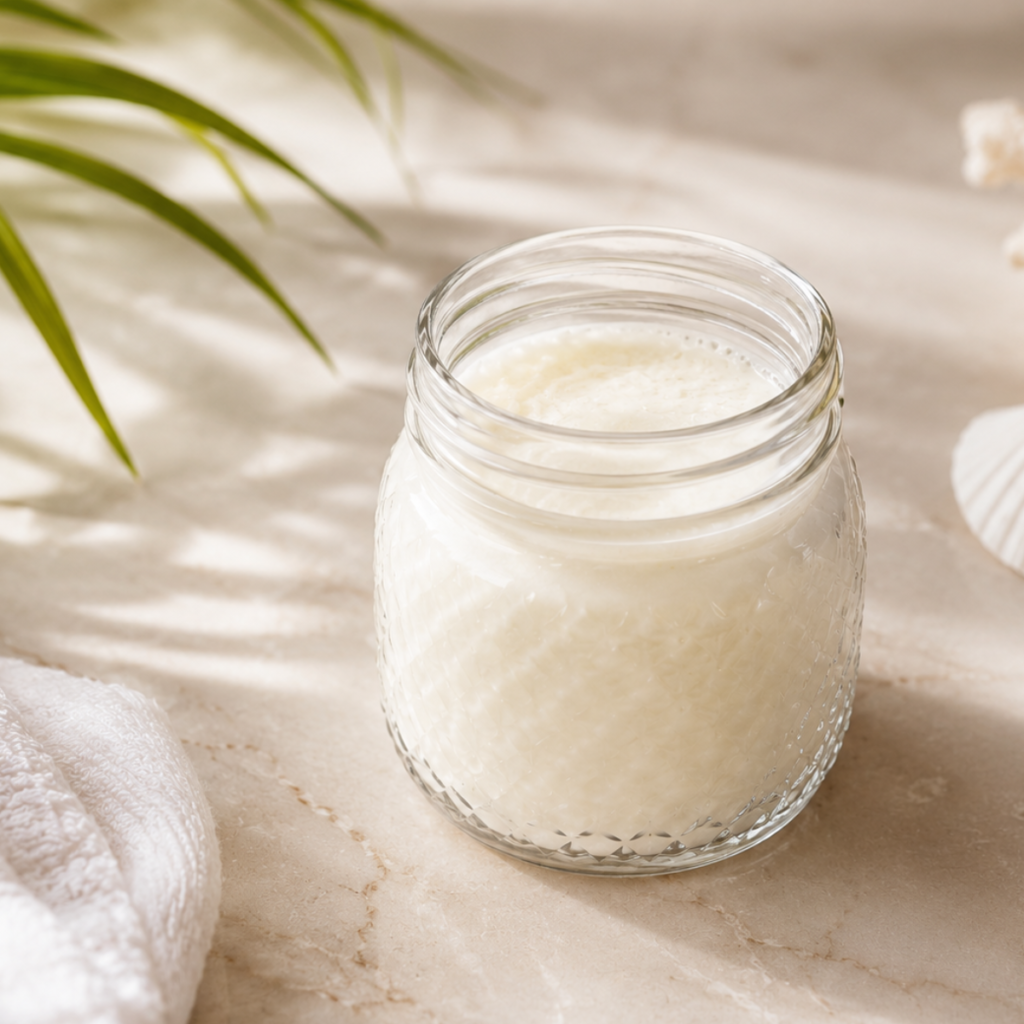
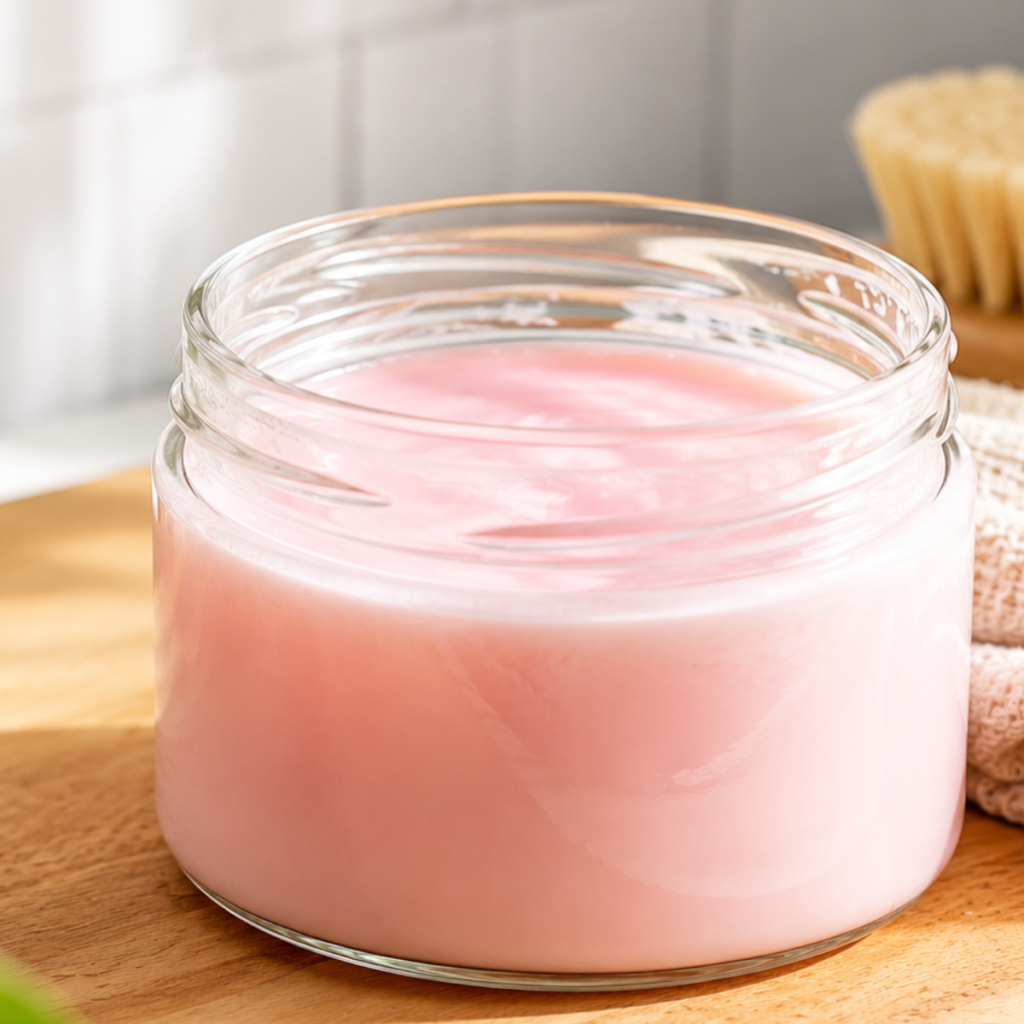
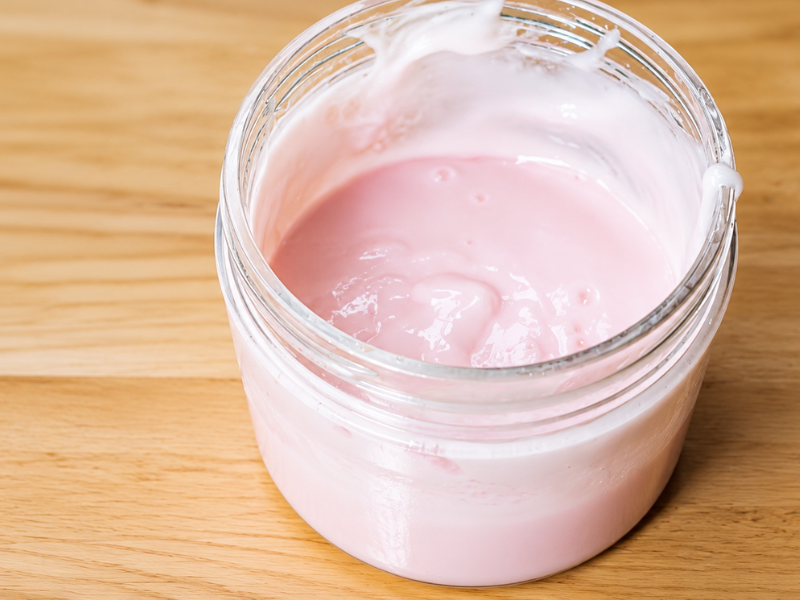
Making this will take you less than five minutes. It’s a simple process, it’s satisfying to put together, and you’ll watch it turn into a creamy paste that’s a pleasure to spread across surfaces.
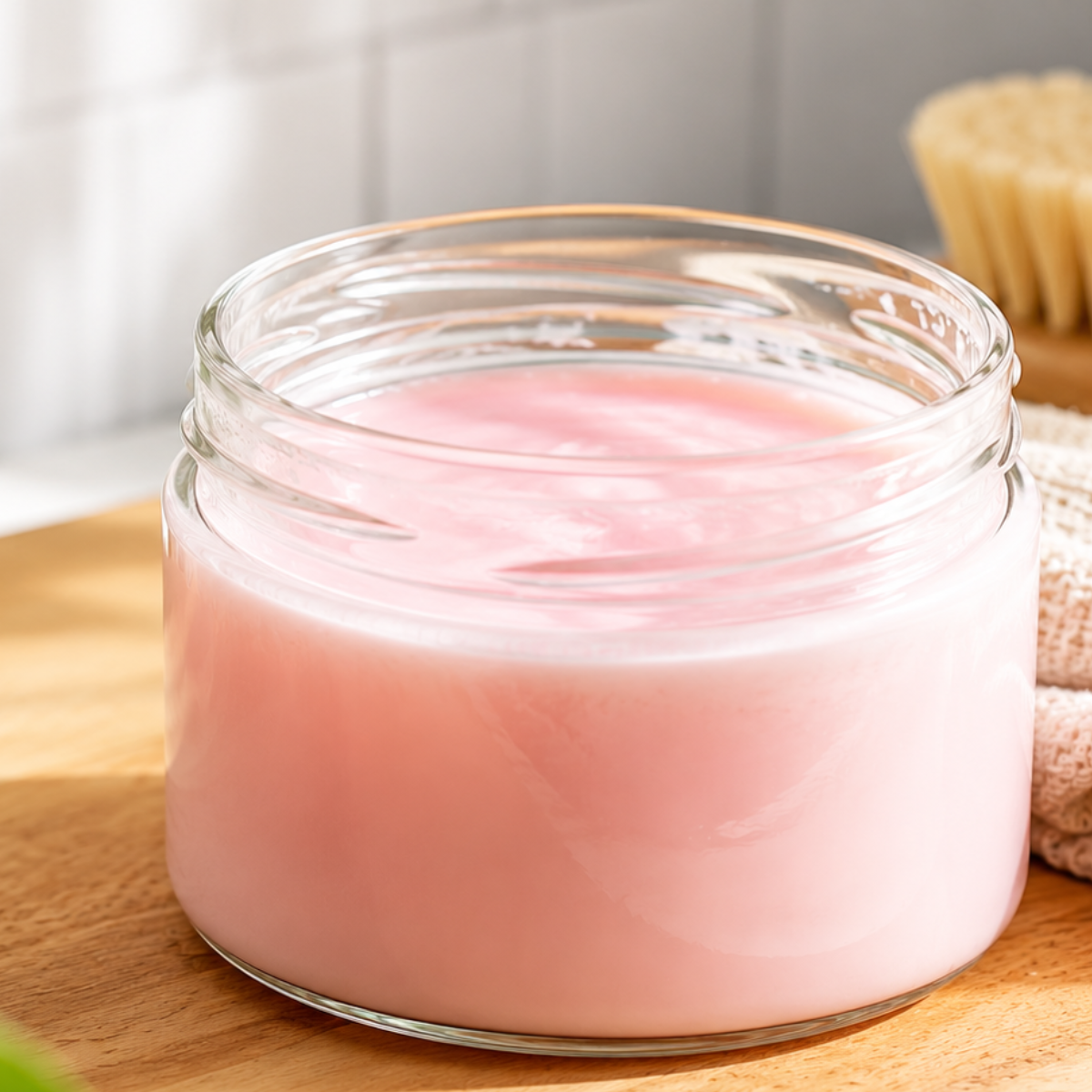
Learn how to make an inexpensive, highly effective homemade all-purpose cleaner for grease, hard water buildup and stubborn dirt around the house.
Total Time: 5 minutes
Add the dish soap
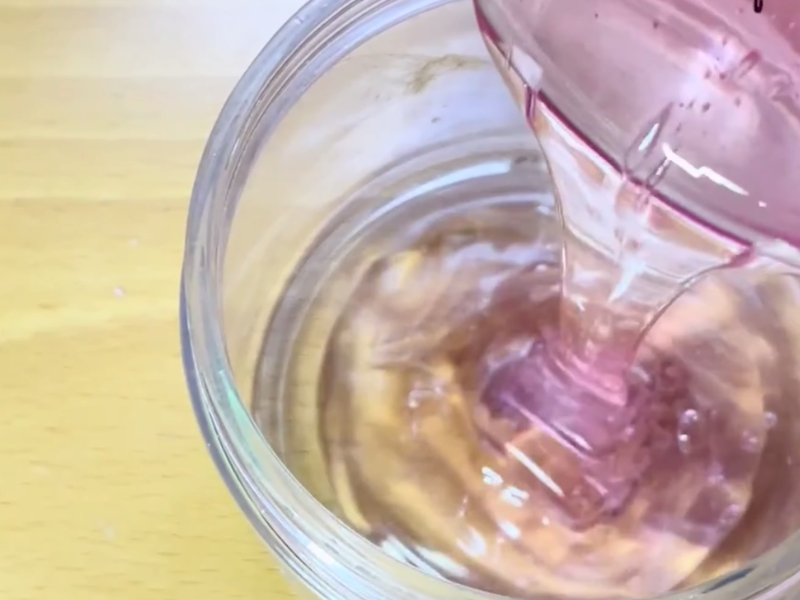
Pour the dish soap into a clean bowl.
Add the baking soda and toothpaste
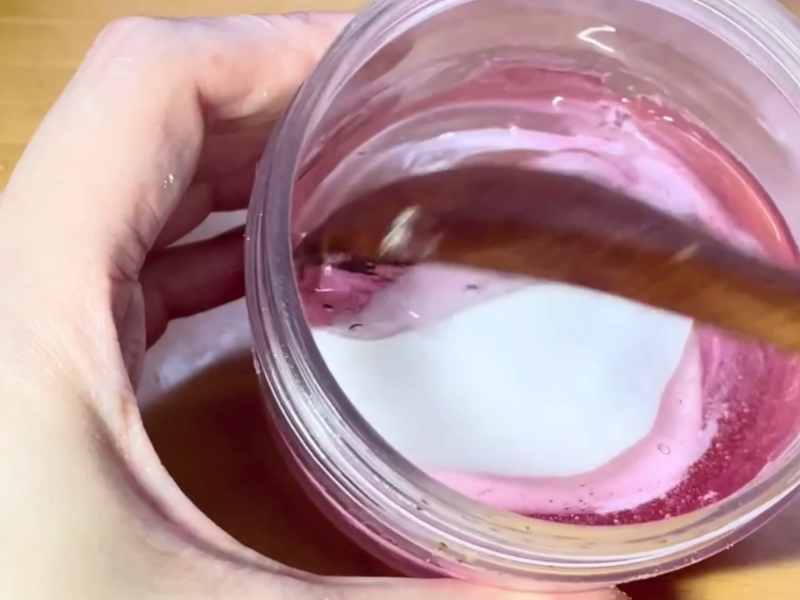
Add the baking soda and the toothpaste straight onto the soap. A plain white paste works better here than a gel or a whitening formula, since whitening pastes can lighten colored grout.
Mix it thoroughly
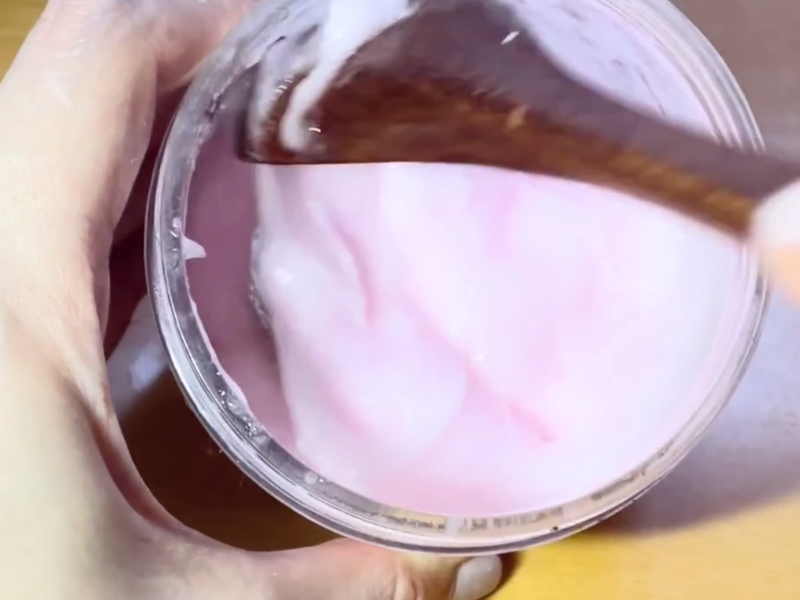
Stir everything steadily with a spatula. At first the powder won’t seem to want to combine with the liquids, but little by little you’ll see a smooth, thick, creamy paste come together. If it turns out too dry, add a few drops of warm water and keep stirring until you get the right consistency.
Jar it and store it
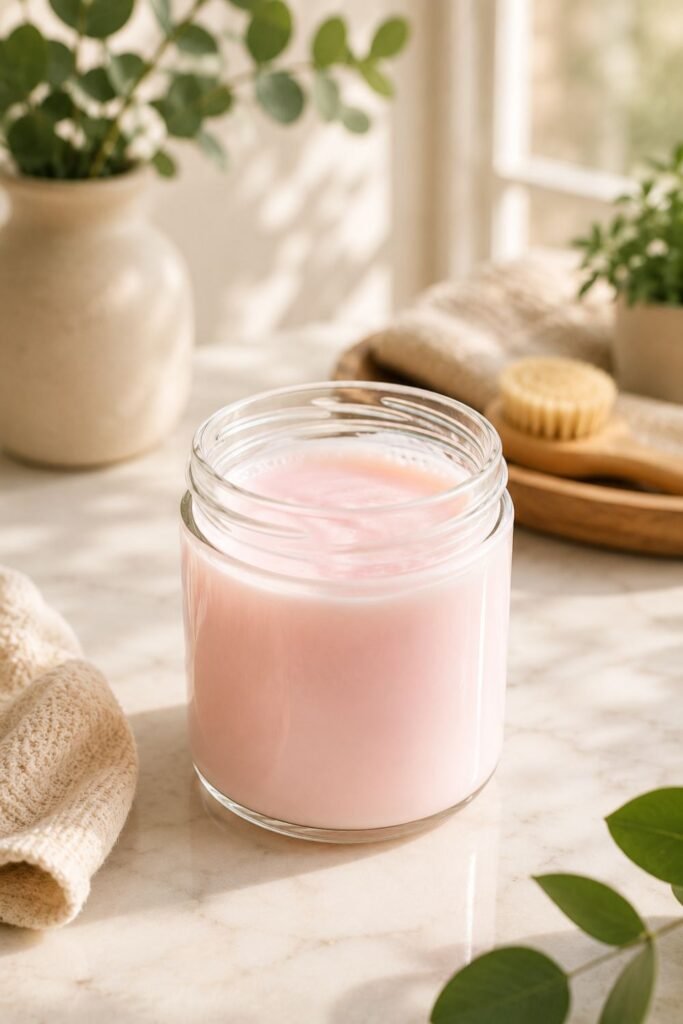
Transfer the finished mixture to an airtight glass jar, using the spatula so nothing goes to waste. Seal it well so air doesn’t dry the product out, label it, and keep it somewhere cool and out of reach of children and pets.
Tools:
- A medium bowl for mixing comfortably.
- A spoon or spatula for stirring.
- An airtight glass jar for storage.
Materials: 1/2 cup baking soda. 1/2 cup liquid dish soap. 1 tablespoon toothpaste.
One important rule before you start: never add bleach or an ammonia based cleaner to this paste, and don’t use it on a surface you’ve just treated with bleach. Mixing cleaning products is where most household accidents happen.
You can watch it on YouTube, and feel free to subscribe to the channel, it’s free ^^. IT HAS SUBTITLES.
Where you can use this homemade cleaner
The best part about this cleaning paste is how versatile it is day to day. Once you have it in your hands you’ll want to try it in every corner of the house, because the results show up instantly.
Watching built up grime disappear with barely any effort is one of the most satisfying feelings there is. Let’s take a tour of the house and look at exactly where and how to get the most out of your new creation.
In the kitchen: goodbye to baked on grease
The kitchen is where heavy grease and stubborn dirt build up fastest, for obvious reasons. Cooking good food for your family or trying new recipes is wonderful, but cleaning the surfaces afterward can feel like a chore.
With this cleaner, that film of grease comes off quickly. Glass cooktops and induction surfaces take a beating from spills that bake on with the heat. To get yours gleaming, take a small amount of the paste on a soft sponge or a dampened microfiber cloth. Do test a small corner first, since baking soda is abrasive and glass cooktops scratch more easily than people assume.
Spread the product across the surface in gentle circles, being patient with those ugly burned rings. Let it sit for about ten minutes so it softens the dried residue. Then wipe it away with a damp cloth, going over it several times to remove any loose baking soda.
You’ll be left with a beautiful shine without needing the metal scraper that always feels a bit risky.
A stainless steel sink is another perfect candidate. Over time the material loses its shine from hard water and daily food residue. Spread the paste over the whole sink, scrub gently along the grain of the metal, paying attention to the drain and around the faucet where dirt collects, then rinse with plenty of warm water. Dry immediately with a soft cloth to boost the shine, and you’ll be amazed at how it catches the light.
The oven is the other great enemy of housework. If your oven door is covered in that brown baked on grease that seems impossible to shift, spread a generous layer of this cleaner across the inside of the glass. Let it sit for a couple of hours so it softens the grease. Then scrub with a non-scratch pad and wipe the dirt away with a damp cloth. The grease lifts easily without wrecking your hands. Make sure the oven is completely cool first, and check your manual, since self-cleaning ovens have coatings that shouldn’t be scrubbed.
In the bathroom: shining faucets and clean grout
The bathroom is where this cleaner really shows what it can do. The main problems here are usually hard water buildup, leftover shower gel, and the dark mildew that forms in grout thanks to the constant humidity of a poorly ventilated bathroom. One thing to be clear about: this paste is a cleaner, not a disinfectant. It removes dirt and grime very well, but if you need to actually sanitize a surface, you want a product labeled as a disinfectant.
For metal fixtures, the toothpaste in this cleaner works beautifully. Apply a little to the faucets at the sink, tub or shower, spreading it evenly. Rub gently with a damp cloth, then rinse with clean water.
The toothpaste polishes out fine surface scratches and lifts whitish mineral deposits, leaving a bright, polished finish that stays clean longer thanks to the dish soap. Go carefully on brushed or matte finishes and on anything plated, since polishing is exactly what you don’t want there.
Shower doors, which always collect those annoying white water spots, benefit enormously from this trick too.
Spread the mixture over the tempered glass with a damp sponge, rub gently in circles, and rinse using the shower head with warm water. Then run a squeegee over it to dry the surface and you’ll be delighted with how clear it comes out.
Tile grout on both floors and shower walls tends to go gray or black from moisture. Take an old toothbrush you no longer use for your teeth, load it up with the paste and scrub the grout lines firmly, following the tile.
Let it sit for about fifteen minutes so the baking soda and the toothpaste can work on the grout, then rinse with water. Your tile will look freshly laid and the bathroom will smell wonderful. Keep in mind this lifts the discoloration rather than killing mold, so if the dark patches keep coming back, the real fix is addressing the moisture and ventilation.
Other surprising uses around the house
Beyond the kitchen and bathroom, this homemade cleaner can get you out of a few everyday jams.
Think about sneakers with white rubber soles. We all have that favorite pair we wear for everything because they’re so comfortable, but whose soles go gray or yellow with daily wear. Apply a bit of the paste to the white rubber with an old toothbrush, scrub the darkest scuffs and wipe the excess with a damp cloth. They’ll come out looking close to new.
Greasy fingerprints and dark scuffs on light switches and door frames also disappear in seconds. Put a tiny amount on a barely damp microfiber cloth and go over these areas carefully, keeping moisture away from the electrical mechanisms. They’ll come out spotless.
Storage tips for keeping it fresh
Since this is a fully homemade product made with everyday ingredients and no artificial preservatives or lab stabilizers, it’s worth paying attention to how you store it so it keeps its cleaning power over the weeks.
The ideal container is a glass jar with a good airtight seal. Glass is an inert material that won’t react with the ingredients, and it helps keep the right moisture level inside the closed jar.
The biggest risk with this cleaner is that it dries out from constant contact with air. Baking soda readily absorbs ambient moisture, so if the jar is left open or the lid doesn’t seal properly, the mixture will turn into a hard block you can’t scoop onto a sponge.
If that happens, don’t throw it out. Just add a teaspoon of warm water or an extra squeeze of dish soap and stir well with a knife or a spoon until it comes back to that original creamy texture.
Keeping the jar in a closed cabinet in the kitchen or bathroom is ideal, protecting it from direct sunlight and heat sources. Label it clearly, since a jar of white paste can easily be mistaken for something edible, and store it out of reach of children and pets. Under these conditions the paste keeps well for two to three months without losing its effectiveness against grease and mineral buildup.
Safety notes and surfaces to avoid
Even though this is a great cleaner and much gentler than many industrial products, it’s essential to use common sense about where you apply it.
Not every surface in the house tolerates the same ingredients or the same friction. Baking soda acts as a light abrasive thanks to its crystals, and there are certain materials that could be damaged if you scrub too energetically. Gloves are a good idea too if your hands are sensitive, since dish soap and baking soda together can be drying.
Delicate surfaces that need caution
The first material to be careful with is natural wood, especially furniture that isn’t perfectly sealed or varnished. Wood is a living, porous material that soaks up liquid quickly.
Baking soda’s high alkalinity could alter the natural color of the wood or leave whitish rings that are very hard to remove once they penetrate the fibers. For wooden furniture you’re much better off with dedicated cleaners based on nourishing oils, or very diluted solutions that won’t affect the finish.
Screens on the electronics around the house, like the TV, a laptop or your phone, are completely off limits for this cleaner.
Modern screens have factory coatings to reduce glare and fingerprints, and those would be destroyed by the slightest friction from baking soda or by the cleaning compounds in toothpaste. For screens, always use a dry microfiber cloth or something made specifically for electronics.
Porous natural stone like marble countertops or older granite also needs watching. This mix doesn’t contain aggressive acids like vinegar or lemon, so it won’t etch the stone immediately, but repeated use of a fine abrasive could gradually dull that polished shine.
If you do use it on marble, do it rarely, don’t press hard, and rinse the area right away with plenty of clean water so nothing dries on the stone. It’s also worth avoiding on untreated aluminum, which alkaline products can dull or discolor. And whenever you’re unsure whether a material will handle this cleaner, test a small hidden spot first to see how it responds before going over the whole surface.
Frequently asked questions about this homemade cleaner
Can I substitute the toothpaste if I don’t have any right now?
You can leave the toothpaste out if you need to clean something urgently and just use baking soda with liquid dish soap. You’ll get a great degreasing paste that works well on general kitchen grime.
What you’ll lose is that polishing power the toothpaste brings to metal fixtures and shiny surfaces. When you get the chance, pick up a cheap tube of plain white paste and try the full formula, because the difference in the finish is noticeable.
Can I add cleaning vinegar to make it stronger against hard water?
No, don’t add vinegar to this mixture, because you’d get the opposite of what you want. There’s a widespread belief online that mixing baking soda with vinegar is the answer to everything, thanks to that dramatic fizzing reaction.
The reality is that baking soda is alkaline and vinegar is an acid, so combining them in the same container neutralizes both immediately. If you want to use vinegar, use it separately as a final rinse for shine, but never in the same jar.
Is it safe to use this cleaner if I have pets running around?
It’s a reasonable choice for households with pets, since it doesn’t contain ammonia, bleach or strong synthetic fragrance, so there are no harsh fumes while you clean.
That said, keep pets off the area until you’ve rinsed and dried it, and store the jar where they can’t get to it. Dish soap and baking soda taste terrible and can cause vomiting or stomach upset if licked or swallowed, and a large amount is worth a call to your vet or a pet poison helpline rather than a wait and see.
Can I use crushed dishwasher tablets if I don’t have liquid soap?
That isn’t a good idea. Automatic dishwasher tablets are formulated with far more aggressive, concentrated chemicals because they’re designed to dissolve in large volumes of very hot water inside the machine.
Handling that concentrated powder by hand to clean surfaces directly can cause skin irritation and burns, and risks damaging your kitchen materials, since it’s far too strong for manual everyday use.
Does this paste work on windows and large mirrors?
I wouldn’t use this creamy paste on large panes of glass or bathroom mirrors. It’s a thick product containing solid baking soda particles, so it’s very hard to remove completely from a transparent surface without leaving whitish traces or a hazy film once the glass dries.
For windows and large mirrors you’re far better off with a light traditional glass cleaner or a very thin homemade solution of warm water with a splash of rubbing alcohol, applied with a lint free cloth.
Homemade cleaner versus store bought products
Sometimes it’s hard to take the leap toward more sustainable habits because we assume store bought products must be far more effective simply because there’s a familiar brand behind them.
So you can weigh the benefits of the homemade version clearly, here are the main differences in the areas that matter day to day.
The cost of this homemade cleaner is low, because the ingredients are bought in bulk for pennies a jar, while commercial cleaners mean spending several dollars on every bottle.
The environmental impact is minimal, because we reuse the same glass jar over and over instead of generating unnecessary plastic waste, unlike commercial products that have us throwing out single use plastic bottles constantly.
The versatility of baking soda, dish soap and toothpaste is high, letting us clean the kitchen, bathrooms, grout and even shoes with one product, compared with commercial bottles usually designed for a single task, which fills the cabinet with different containers.
Storage gets simpler too, since you only need room for one small airtight glass jar, freeing up all the cabinet space once taken by a dozen oddly shaped bottles that were annoying to organize.
We sometimes let the daily rush take over and grab the first thing we see in the aisle out of pure habit, but I promise that once you experience the satisfaction of making your own cleaning solutions from things you already have at home, something shifts in your routine.
It’s a great way to simplify housework, save money and cut back on the number of harsh products in the house.
I’d encourage you to grab a free moment today to go to the kitchen for that box of baking soda you’ve definitely got in the pantry, pick up the dish soap and head to the bathroom for the toothpaste. It’ll take you five minutes to mix it up in a small bowl and start testing it on the sink or the bathroom faucets to see the results with your own eyes. I think you’ll be surprised at how well it works right from the start.