Learn how to make your own solid perfume at home with mango butter, coconut oil and candelilla wax. A vegan, natural and very simple recipe for a lovely, long lasting scent without synthetic fragrance. A step by step guide!
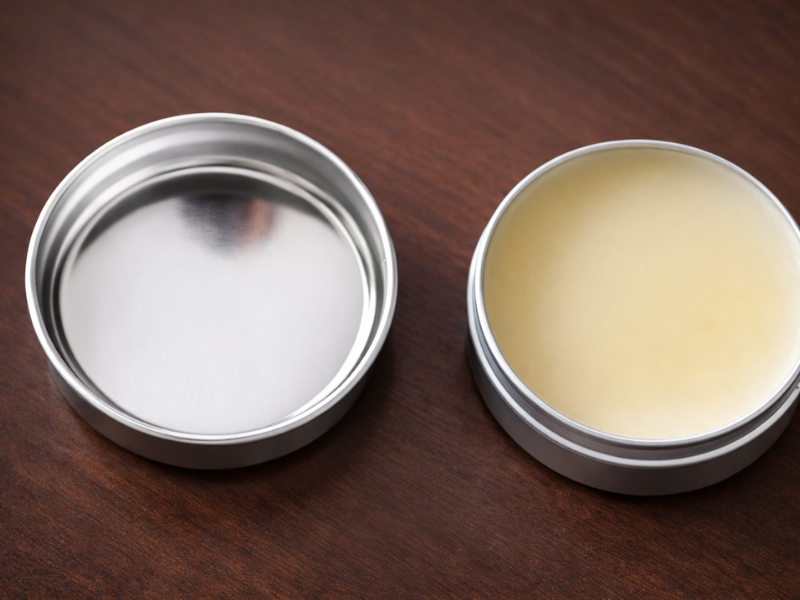
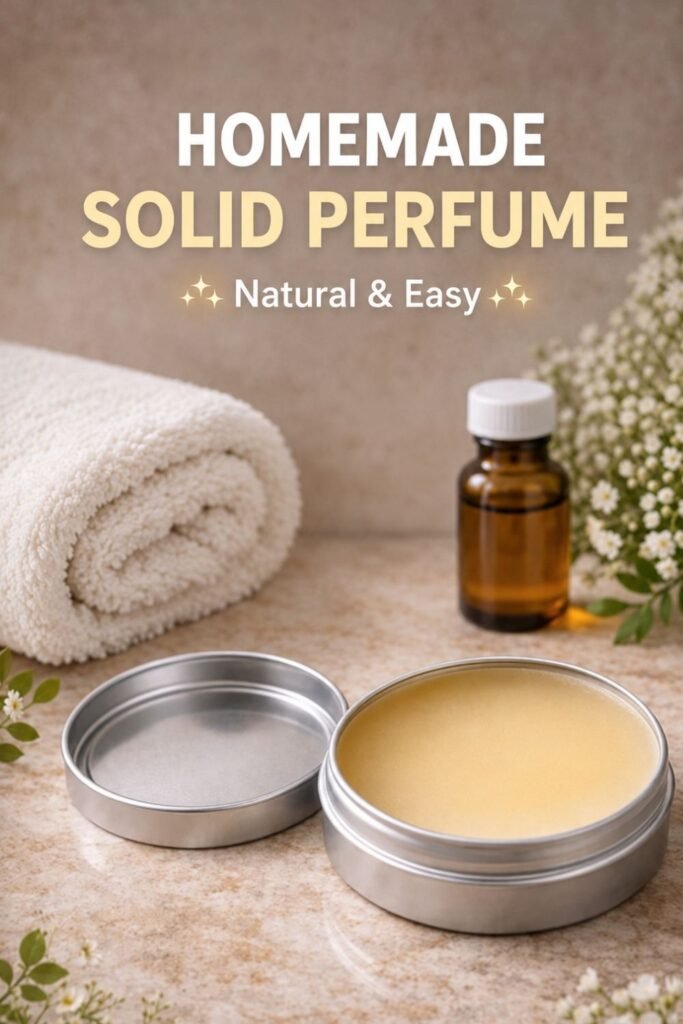
Picture this for a second. It’s mid afternoon and you’re heading into a meeting or a date. You can tell your morning scent has worn off. Instead of pulling out a heavy glass bottle and praying it doesn’t break or leak all over your bag, you take out a small, pretty metal tin that fits in the palm of your hand.
You glide a finger over that silky texture and dab it on your wrists and behind your ears. Boom. Right away you’re wrapped in a soft cloud of your favorite scent, the one you designed yourself, the one that makes you feel amazing.
I decided a while back to leave conventional perfume behind. I loved the smells, but I couldn’t stand the headaches a lot of synthetic fragrances gave me or how dry they left my skin.
When I discovered solid perfumes, it felt like a portal opened into a whole different dimension of beauty products. They’re practical, they’re sustainable and, most importantly, they’re incredibly easy to make. I have a feeling that once you try this recipe, you’ll wonder why you didn’t start sooner.
What Exactly Is a Solid Perfume, and Why Should You Care?
Before we start melting things, let’s be clear about what we’re talking about. A solid perfume is essentially a base of waxes and plant oils infused with a high concentration of fragrance (in our case, pure essential oils). Unlike liquid perfumes, which usually use an alcohol and water base, a solid perfume is a dense cream, or balm, that you apply directly to your skin.
The scent is released by your body heat. It’s an old method, a very old one, going back to civilizations like ancient Egypt, where scented oils and pomades were symbols of status and spirituality. Today we’re bringing that tradition back for good reason: it’s remarkably efficient and gentle on both our skin and the planet.
Why should you consider trading your spray bottle for a little tin? Let me tell you. For me, the main reason is total control. I decide the strength, I decide how complex the scent is, and I decide what goes on my skin. There’s also a powerful psychological piece to it. The act of applying perfume with your own fingers, massaging it gently into your pulse points, becomes a daily self care ritual, a moment of connection with yourself that a quick spray can never quite match. It’s a full sensory experience.
The Big Advantages of Homemade Solid Perfume Over Liquid
If you’re still not convinced, here’s my list of reasons solid perfume wins in real life.
Truly Portable, With Zero Travel Drama
This is my favorite advantage. Solid perfumes are compact and sturdy. They don’t break, they don’t spill and, best of all for frequent travelers, they generally aren’t treated as liquids at airport security (rules change, so it’s worth checking current TSA guidance before you fly). You can keep your favorite scent in your purse, your gym bag or your glove compartment without a second thought. It’s the perfect travel companion for an active life.
No Alcohol and Less Irritation
The vast majority of commercial perfumes use denatured alcohol as the vehicle for the fragrance. That helps the perfume evaporate quickly and project a big opening, but it comes at a cost: it can be drying and, for some people with sensitive or eczema prone skin, irritating. Taking the alcohol out removes that particular issue. Our solid perfume is built on oils and butters that condition the skin instead. It’s fragrance and skin care in one, though keep in mind that essential oils themselves can be irritating for some people, which is why a patch test matters.
A More Intimate, Personal and Lasting Scent
This is a key difference a lot of people misread. A traditional liquid perfume throws scent outward with real force at first, creating a sillage that can occasionally be overwhelming for the people around you. Solid perfume is different. It’s a more intimate, personal scent. It stays close to your skin. People who come near you will notice it, but you won’t be taking over the elevator.
Essential oils in a wax and oil base also tend to evaporate more slowly than they do in an alcohol base. That means that even though the initial projection is smaller, wear time on the skin is often surprisingly long. The scent shifts subtly with you over the course of the day, revealing different layers as it goes.
Sustainability and Respect for the Environment
Making your own solid perfume cuts your waste dramatically. Say goodbye to elaborate glass bottles that are hard to recycle and to pointless cellophane wrapping. Our solid perfume can live in reusable metal tins or even compostable cardboard tubes. And by using natural, biodegradable ingredients, you can feel good that you aren’t sending microplastics or persistent synthetic fixatives down the drain. It’s a small and very satisfying act of ecological rebellion.
The Four Pillars of a Great Homemade Solid Perfume: Know Your Ingredients
For a homemade solid perfume to work, it needs the right combination of four elements: a scent fixative (the wax), a carrier base (the oil), something nourishing that shapes the texture (the butter) and, of course, the soul of the perfume (the essential oils). Not all ingredients behave the same, and each choice makes the difference between a beautiful balm and a greasy blob. Let’s meet today’s contenders.
Candelilla Wax: The Vegan Fixative and the Structure You Need
A lot of solid perfume tutorials use beeswax, and that’s fine, it’s a wonderful ingredient. But I wanted a recipe that was fully vegan and still worked beautifully. That’s why I chose candelilla wax (Euphorbia antisyphilitica).
This wax is extracted from the leaves of a shrub that grows in desert regions of Mexico and the southwestern United States. It’s a hard, pale yellow wax with some great qualities for our solid perfume. Its main job is giving the balm structure and firmness, but it also helps hold the scent in place. It forms a microscopic film on the skin that holds onto the essential oil molecules, letting them release slowly with your body heat.
One important thing to keep in mind is that candelilla is harder than beeswax. That means you need a little less of it to reach the same consistency, or more oils and butters to balance it out. But that hardness is also a plus: it makes our solid perfume more heat resistant, which is ideal for carrying in your bag through a hot summer without it turning to soup. It’s the skeleton of the whole creation.
Virgin Coconut Oil: Lightness, Absorption and a Tropical Touch
For the liquid base, or carrier oil, my pick is virgin coconut oil (Cocos nucifera). Why coconut instead of sweet almond, jojoba or olive? Mostly texture and absorption.
Virgin coconut oil has a fatty acid profile that most skin takes up nicely. It doesn’t tend to leave a lingering greasy feel. It melts on contact with skin and carries the essential oils along with it. It’s also fairly stable against oxidation, which helps extend the shelf life of our perfume without artificial preservatives.
One key detail: I’m specifying virgin coconut oil, not refined or fractionated. Why? Because virgin coconut oil keeps a subtle natural coconut aroma that I find lovely and that works as a soft base note under almost any blend you decide to build. It’s like a blank canvas that already has a warm, sweet undertone. If you use fractionated coconut oil (which stays liquid), your perfume will be softer and slower to absorb. Trust me on this one, virgin coconut oil is the sweet spot.
Mango Butter: Deep Conditioning, Silkiness and No Greasy Shine
This is the ingredient that takes the recipe from good to wonderful. We could get by with just wax and coconut oil, but mango butter brings a silkiness and a richness that’s hard to beat. (Shea butter works well here too if that’s what you have on hand.)
It’s semisolid at room temperature but has a low enough melting point that it softens beautifully against your skin.
It gives the solid perfume a creamy, luxurious texture that makes application a pleasure. It’s also rich in antioxidants and fatty acids that help condition the skin. The result is a perfume that moisturizes without leaving a greasy trace or too much shine. It’s the secret behind the texture, the ingredient that will have your fingers reaching for the balm again and again.
Essential Oils: The Soul and the Aromatic Magic
This is where the real alchemy happens. Essential oils aren’t just “nice smells,” they’re concentrated botanical extracts that many people use for their aromatic and mood related qualities. They’re the soul of our perfume: volatile compounds captured from flowers, leaves, roots, resins and fruit peels.
Unlike synthetic fragrances, which are lab created molecules designed purely to smell like something, essential oils reach us through the olfactory system, which connects closely with the limbic areas of the brain involved in emotion and memory. That’s part of why scent can feel so tied to how you feel. Many people find a natural perfume calming, energizing or grounding, though how much of that is chemistry and how much is association is still very much an open question, and pleasant scent is not a substitute for medical care of any kind.
To create a balanced solid perfume that lasts, we can’t just add drops at random. We need to understand the idea of the fragrance pyramid and how different families of essential oils play off each other. But before we get into scent theory, let’s do the practical recipe, because I know you’re itching to start.
The Exact Recipe: Proportions for a Great Solid Perfume
Let’s get to it. I’ve tried a lot of homemade solid perfume blends and this is the one that works best if you want something that isn’t as soft as a lip balm or as hard as a rock. Since we’re using candelilla wax, which is considerably firmer than beeswax, the amounts are adjusted so the texture stays soft to the touch.
To make about two small 15 ml tins of solid perfume, you’ll need the following:
-8 grams (about 0.3 oz) of candelilla wax. This is what gives the balm its body.
-8 grams (about 0.3 oz) of mango butter. This adds the creaminess we love.
-10 ml (about 2 teaspoons) of virgin coconut oil. It helps everything melt on contact with skin.
-Around 60 to 80 drops of essential oils. It sounds like a lot, but a solid perfume needs real concentration to actually smell like something. That said, this is a strong dilution for skin, so if you have reactive skin or you’re using oils you haven’t worn before, start closer to 25 or 30 drops and build up in a second batch once you know how your skin responds.
-A few drops of vitamin E if you want it to keep longer without going rancid, though it’s optional if you’ll use it up quickly.
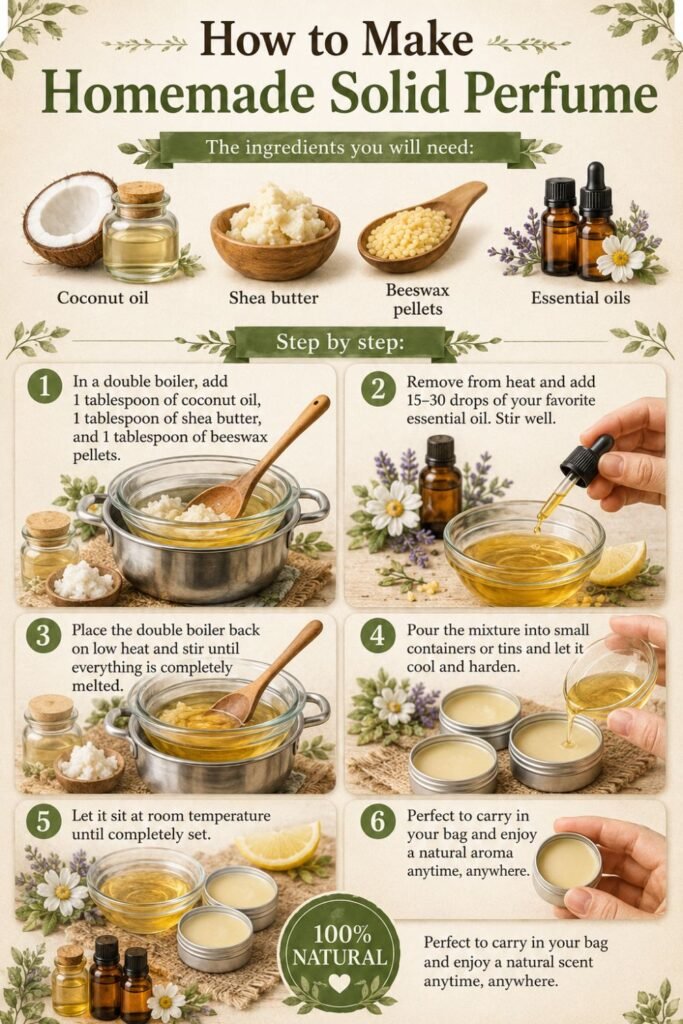
Step by Step: How to Make Solid Perfume in Ten Minutes
What I love about this is how little time it takes. I usually grab any moment when the kitchen is free and get to it. Here’s how I do it so I don’t make a mess and it comes out right the first time.
Getting Your Tools Ready
First, have everything within reach. You’ll need a heatproof glass container for the double boiler, a small wooden or stainless steel spoon for stirring and, of course, the tins or jars you’ll store the perfume in. I use little aluminum tins or small glass jars I’ve cleaned and saved from other things. Make sure they’re completely dry before you start.
Melting the Ingredients Slowly
Put a saucepan with an inch or so of water on the stove. Set your glass container inside it with the candelilla wax, the butter and the coconut oil. Don’t rush, keep the heat at medium. If the water boils hard, steam can get into your mixture and we don’t want that.
Stir now and then. You’ll notice the wax takes the longest to melt. Once everything is liquid and clear, like a golden oil, take the container off the heat, being careful not to burn yourself.
Adding the Essential Oils
This is the step where most people go wrong. Don’t add the essential oils while the mixture is piping hot. If you do, the heat will cook off much of the aroma and you’ll have wasted your money. Wait a minute for the temperature to come down a bit, but not so long that it starts to set.
Add your drops of essential oil and stir well so they blend into the base. If you’re using vitamin E, now is the moment for that too. Once everything is combined, pour the mixture into your containers. Work steadily but quickly, because with candelilla in the mix it starts firming up as soon as it cools a little.
Letting It Set
Now comes the hard part for restless people like me: waiting. Don’t put the lids on right away. Let them cool at room temperature until the surface is completely solid. If you cap them while they’re warm, condensation can form and that moisture will spoil your solid perfume. I usually leave mine alone for a couple of hours before closing them and adding a label with the date and the blend.
If you’d rather watch, here’s how to make solid perfume on YouTube
Understanding Scent: How to Build Your Own Solid Perfume Blend
Making something smell good is easy, but making it smell like a professional perfume takes a little understanding of how scent works. I won’t give you a technical lecture, but hold onto this idea of three notes, because it will change how you blend.
Top Notes: The First Impression
These are the oils you smell the moment you open the tin. They’re usually citrus, like lemon, orange or bergamot. Bright, cheerful scents that give you an instant lift, but they’re also the first to disappear. They don’t last long on skin, so they can’t be the only thing in your perfume. Worth knowing: several citrus oils, especially bergamot and expressed lemon, can make skin more sensitive to sunlight, so use them sparingly on exposed areas or look for a bergaptene free version.
Heart Notes: The Character of the Perfume
These show up once the citrus settles down. This is usually where the florals and herbs go. Lavender, geranium or ylang ylang are perfect here. It’s the scent that stays with you for most of the wear, and the one that decides whether your perfume feels romantic, relaxing or more serious.
Base Notes: The Trail You Leave
These are the heavy notes, the ones that hang on for hours. They tend to come from resins, woods and roots. Frankincense, cedar, patchouli and sandalwood are the kings here. Their job is to hold the other scents down so they don’t escape so fast. Without a good base note, your solid perfume won’t last long at all.
Three Combinations That Never Miss
If you don’t want to lose your mind experimenting the first time, here are three blends I use constantly, the ones that always get me asked what I’m wearing.
Fresh blend for everyday:
30 drops sweet orange,
20 drops bergamot and
10 drops cedarwood. It’s like walking through an orange grove.
Relaxing blend for the evening:
25 drops lavender,
15 drops frankincense and
10 drops geranium. Perfect for when you get home worn out.
Exotic, bold blend:
20 drops sandalwood,
15 drops patchouli and
10 drops cinnamon. Go easy with this one, it’s very intense and lasts a long time. Cinnamon bark oil in particular is a common skin irritant, so use a light hand or swap in cinnamon leaf, and definitely patch test this blend
How to Wear Solid Perfume So It Lasts All Day
It sounds trivial, but there really are better and worse ways to apply this. Since there’s no alcohol, the scent doesn’t shoot outward toward everyone else, it stays closer to you. To make it noticeable, apply it where your pulse points are.
The warmth of your blood is what activates the perfume gradually. Put it on your wrists, behind your ears, at the base of your neck and, for an extra touch, the inner bend of your elbows. I sometimes put a tiny bit on the ends of my hair when it’s dry, and it’s lovely catching the scent every time you move.
One trick that works well for me is rubbing my finger over the balm in small circles so it warms up with the heat of my hand before applying. The texture gets much more melting and spreads more evenly on skin. You can also layer it with your homemade scented body powder ^^
Storage and Shelf Life: Keeping Your Solid Perfume Fresh
If you followed the steps and used quality ingredients, your solid perfume can easily last a year. Realistically, since none of us sit still, you’ll probably go through it long before that. Here are my tips for keeping it in good shape:
Watch the sun: even though candelilla wax handles heat well, leaving the tin in direct summer sun will melt it. Light and excess heat also cause essential oils to fade and lose their scent. Store it somewhere cool and dark when you’re not carrying it.
Hygiene first: since this is a format where you dip a finger in, clean hands are essential. If that bothers you, you can use a tiny wooden or plastic spatula, but honestly, with clean hands you’ll be fine.
The seal matters: make sure your containers close properly. Essential oils are volatile by nature, which means they want to escape into the air. If you leave the tin loosely closed, within a couple of months your solid perfume will smell noticeably weaker than it did at the start.
What If Something Goes Wrong? Quick Fixes
It happens to all of us. Sometimes things don’t come out perfect on the first try, because every brand of wax or oil varies a little. If any of this happened to you, don’t throw it out, it’s fixable:
If it came out too hard: if you’re struggling to get any product on your finger because it’s like a rock, put it back in the double boiler and add another couple of milliliters of coconut oil. Mix it well and pour it back into the tins.
If it came out too soft: if it looks more like a gloss than a perfume, you overdid the oil. Melt it again and add a couple more grams of candelilla wax. Problem solved.
If you can barely smell it: sometimes we’re a little shy with the essential oil drops. If it’s cooled and the scent is nearly nonexistent, melt it again (gently, without overheating) and add another 20 drops of your favorite blend.
Frequently Asked Questions About Homemade Solid Perfume
Can I use it if my skin is very sensitive?
Often yes, since it’s much gentler than an alcohol based perfume. That said, essential oils can cause reactions in some people. The best approach is to apply a small amount to the inside of your arm and wait 24 hours to see whether it itches or turns red. Use fewer drops if your skin is reactive, and if you have a known skin condition or you’re pregnant or nursing, check with your doctor about which oils to avoid.
Does it stain clothes?
If you use the right amount and give it a couple of seconds to absorb, it shouldn’t. Coconut oil and butter melt in nicely. Even so, any oil based product can mark delicate fabrics, so apply it to skin rather than directly onto a white silk blouse.
Can I use it on children?
I’d be careful here. Children’s skin is much thinner and quite a few essential oils aren’t considered appropriate for them, particularly under age 2. If you want to make one for your kids, stick to something like lavender or mandarin, use a fraction of the drops in the standard recipe, and talk to your pediatrician first. When in doubt, leave it out.
Where do I buy candelilla wax?
These days it’s easy to find at online shops that sell natural cosmetic ingredients. It usually comes as small flakes that melt quickly. It’s great because a bag lasts a long time and goes a long way.
Why This Homemade Solid Perfume Might Become Your New Habit
At the end of the day, making things yourself gives you an incredible sense of freedom. You’re no longer at the mercy of whatever a brand decides, and you don’t have to put up with synthetic scents that give you a headache. It’s your scent, created by you, for you.
It also makes a wonderful gift. I usually make big batches and give little tins of solid perfume to my friends for birthdays or the holidays. It always goes over well, because it’s useful, natural and clearly made with care.
Give It a Try and Tell Me How It Goes
Do you think you’ll make this over the weekend? I have a feeling that once you try it, going back to the spray bottle will be hard. If you have questions about a particular oil blend or you can’t track down an ingredient, leave me a note in the comments. I love reading your ideas and hearing what combinations you come up with. I’m sure some amazing blends will turn up!
Which oil blend would you pick for your first perfume? Right now I’m obsessed with lemon and sandalwood, it’s such a good pairing!
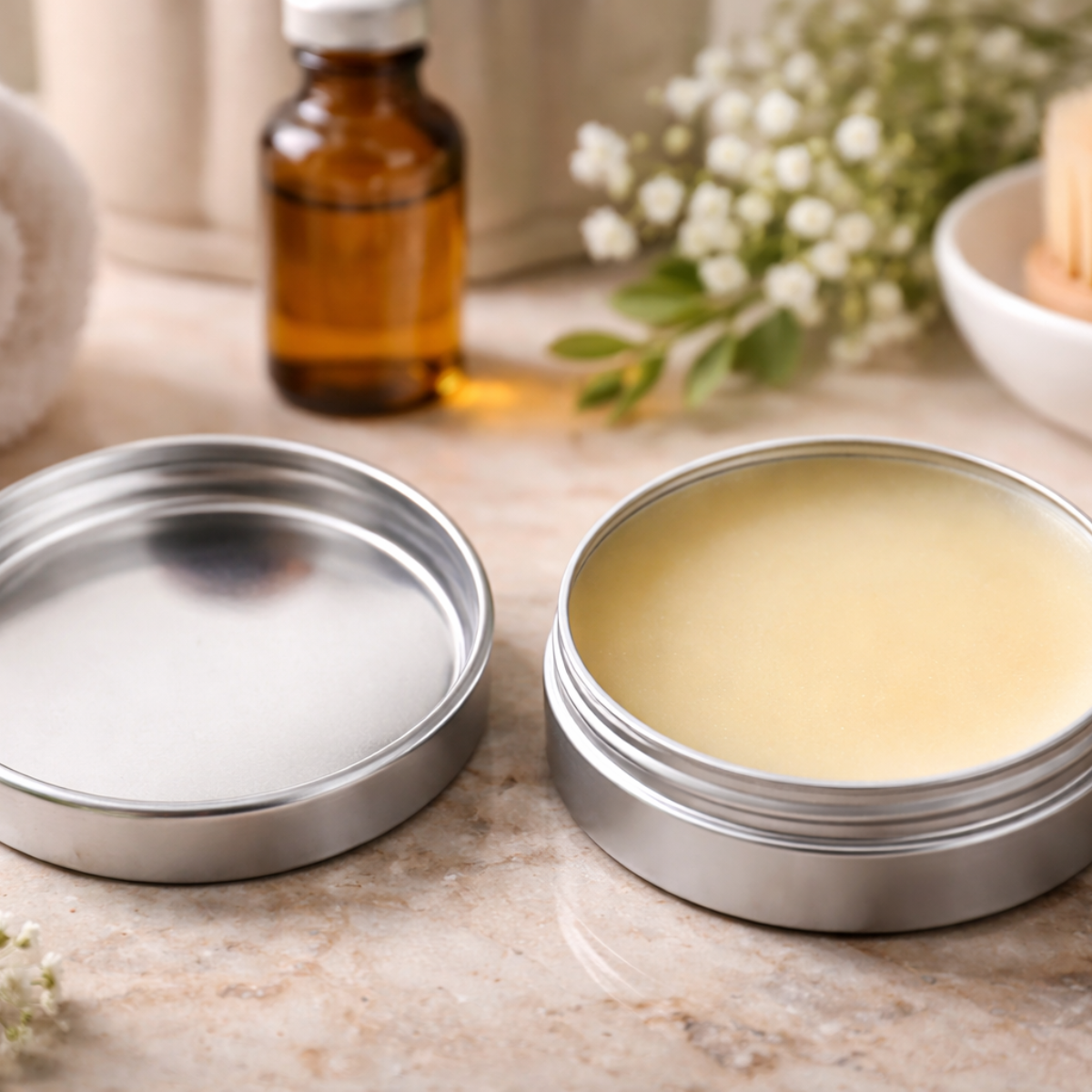
Making a homemade solid perfume in balm form using plant waxes, nourishing butters and essential oils for a long lasting scent without synthetic fragrance.
Total Time: 10 minutes
Clean up
Wipe down your containers and tools with a little alcohol and let them dry completely.
Double boiler
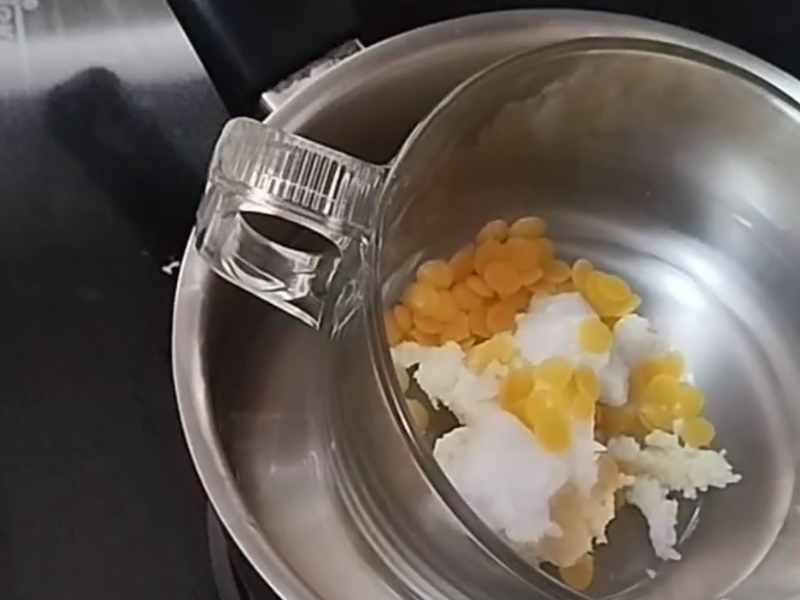
Place the candelilla wax, the butter and the coconut oil in the glass container inside the saucepan of water.
Melt
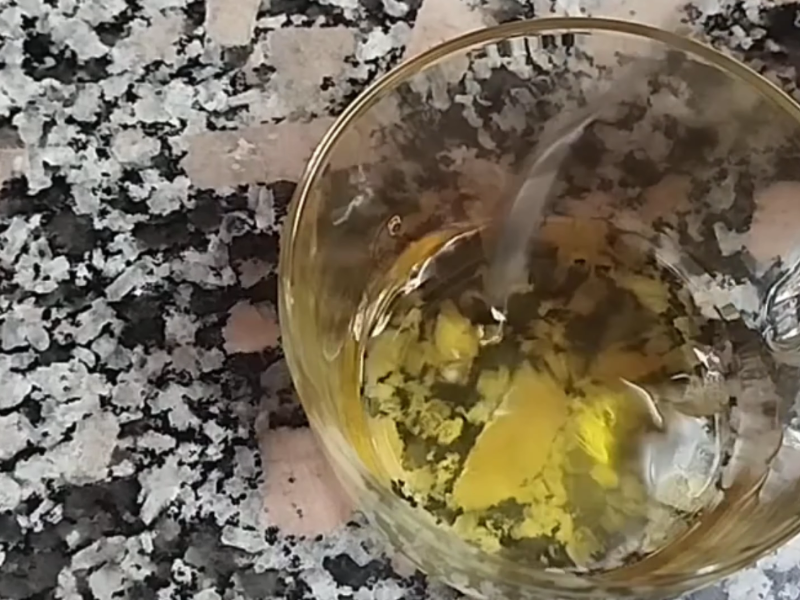
Heat over medium and stir until everything is liquid and clear
Cool slightly
Take it off the heat and let the temperature come down a bit without letting it set.
Add the scent
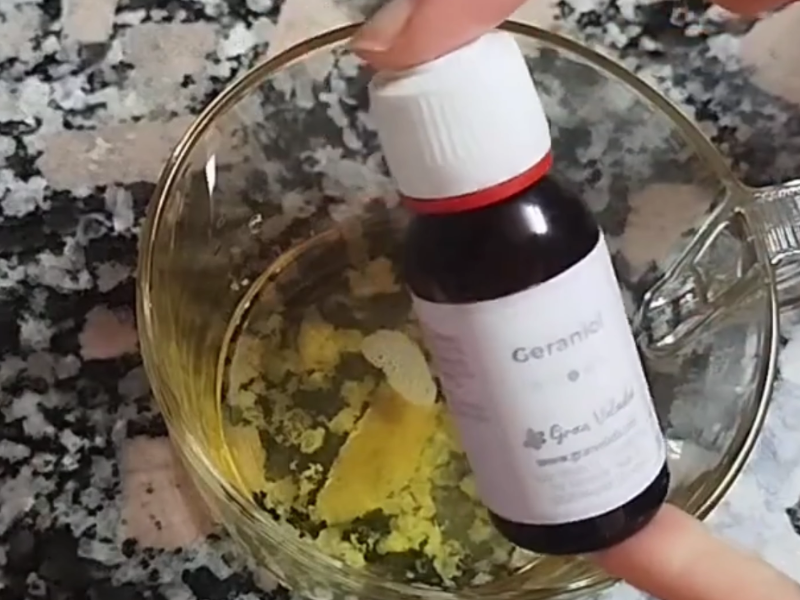
Add the essential oil drops and the vitamin E if you’re using it. Stir well.
Pour
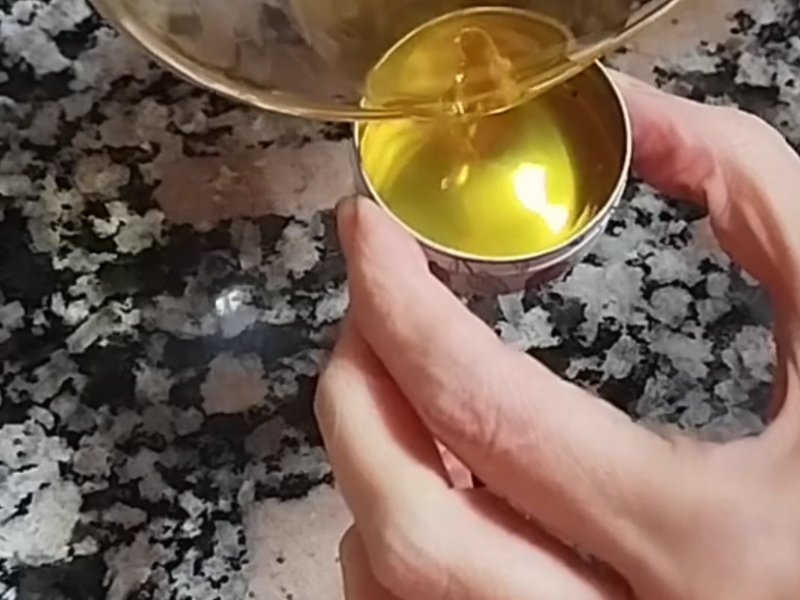
Pour the mixture into your tins before it starts to firm up.
Rest
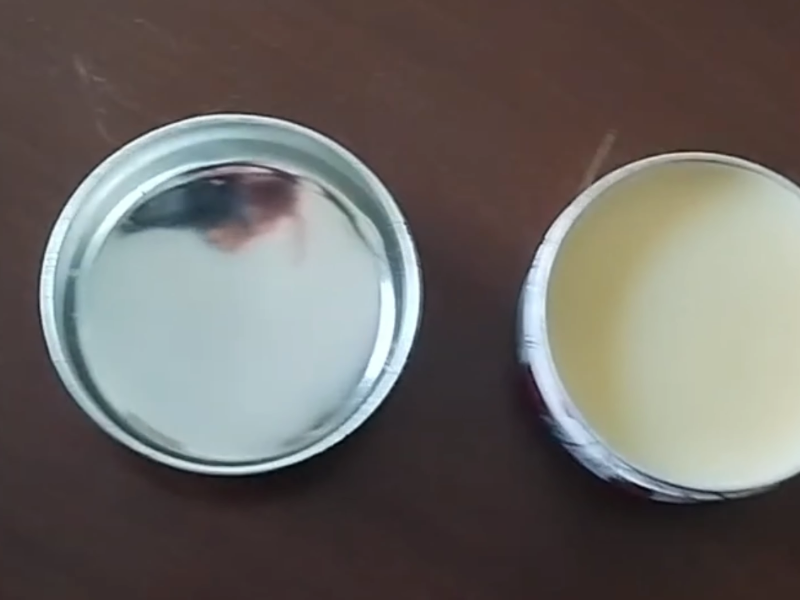
Let it cool at room temperature for at least two hours before capping.
Supply:
- 8 grams candelilla wax.
- 8 grams mango butter.
- 10 ml virgin coconut oil.
- 60-80 drops pure essential oils (start lower if your skin is sensitive).
- Optional: 2 drops vitamin E.
Tools:
- Heatproof glass container.
- Saucepan for the double boiler.
- Small spoon or steel spatula.
- Aluminum tins or 15 ml glass jars