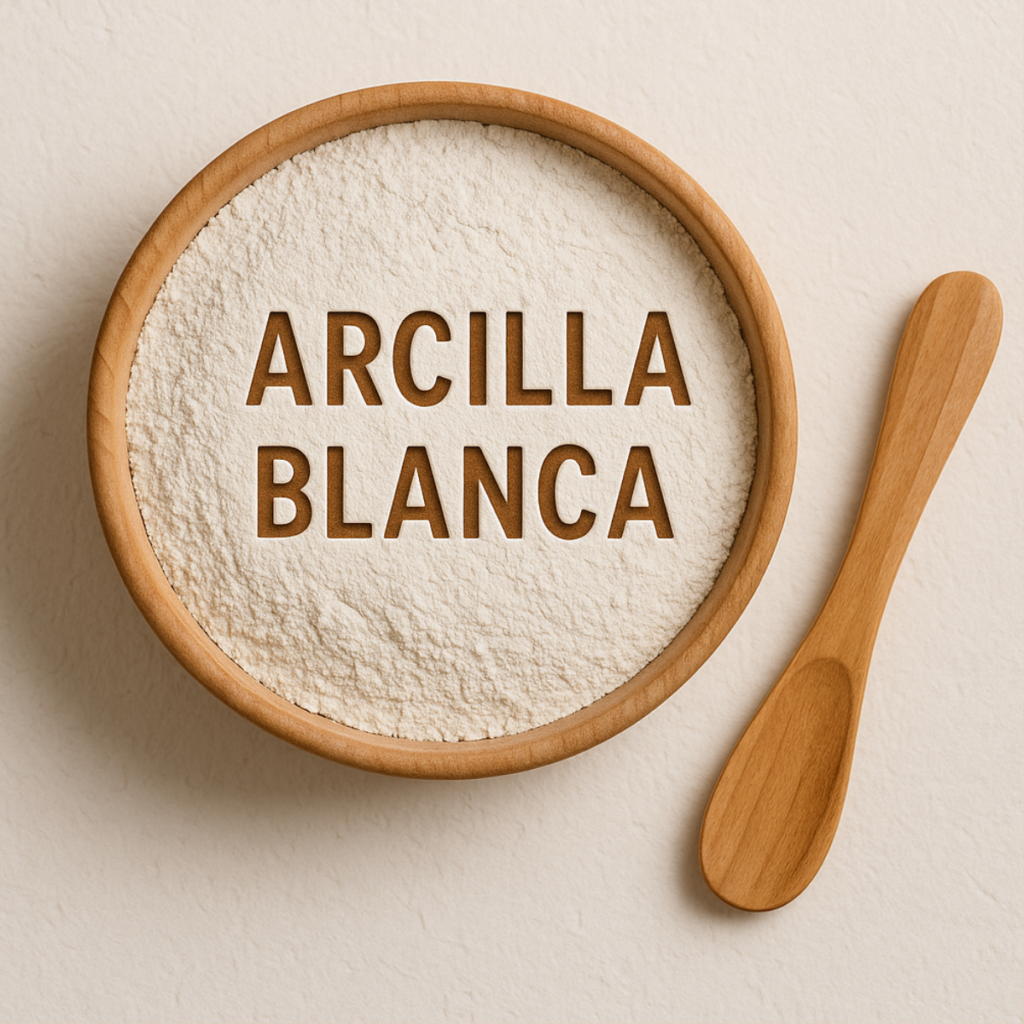
Everything you need to know about white clay, from the most practical ways to use it to the homemade recipes that actually work. I’ll walk you through how I use it in my beauty routine and around the house, in plain language, with tips you can put to use today.
Why white clay took off, and why I recommend it too.
When something starts showing up everywhere, we tend to write it off as a trend. Not this time. White clay has been in use for centuries and it’s still here, holding steady, because it works. It’s one of those traditional ingredients that gets handed down through generations, not because somebody made it go viral, but because experience keeps proving it useful.
I think it’s earned its moment for three pretty clear reasons. First, it’s effective and gentle at the same time, which is a hard combination to come by. Second, it’s cheap. And third, it’s ridiculously versatile.
You can use it on your skin, on your hair, on your feet, in scrubs, to clean surfaces, to absorb odors, to make homemade toothpaste, even as a poultice for minor bumps and bruises. Once you get to know it, you realize a single jar replaces several of the products already sitting around your house.
I love it. I like simple things that do a lot of jobs and don’t ask much of me. With white clay, I always feel like I’ve got something useful, practical and kind within arm’s reach.
How I use white clay in my beauty routine, and what I’ve learned along the way.
Here’s the part you’re probably most interested in if you’re thinking about using it on your skin. I’ll tell you how I use it, what works best for me and what I’ve figured out over time. This is one of those things you learn gradually, tweaking amounts, trying combinations and paying attention to what your skin is asking for on any given day. Take all of it and adjust it to suit you.
A gentle purifying face mask that leaves your skin looking great.
This was the first way I ever tried white clay. I remember mixing it up without expecting much, and then catching sight of myself in the mirror afterward and being genuinely surprised. My skin looked smoother, less dull, and calmer than it had in a long time.
The trick with this mask is not letting it dry all the way. A lot of people don’t know that, and it makes all the difference. Once clay goes dry it starts pulling too much and can leave your skin tight and parched. While it’s still damp or only half dry, it cleanses and purifies without stripping any moisture out.
I usually mix a teaspoon of clay with a splash of water, or with rose water if I want something extra soothing. I stir it until it’s about the consistency of thin yogurt, spread it on my face and give it ten minutes at most. The moment I see the edges starting to dry, off it comes. One small thing: use a glass or ceramic bowl and a wooden or plastic spoon rather than metal, which is the way it’s traditionally done.
The way your skin feels afterward is wonderful. It breathes, it looks more even, and it has a natural glow that has nothing to do with oiliness and everything to do with being balanced.
A gentle daily cleanser that won’t irritate.
Some days I don’t feel like reaching for a cleansing gel. Sometimes my skin is more sensitive than usual, sometimes I just want something quieter. That’s where white clay shines.
I put a little in my palm and add a few drops of water until it turns into a kind of cream. I smooth it over damp skin and massage it in gently. It’s a different sort of cleansing, softer than a gel, and it feels almost therapeutic.
I tend to do this in the morning, when I’m not wearing makeup or sunscreen, since I’d rather use a proper cleanser to take off anything heavier. But for everyday use it’s lovely. Your skin comes out clean, without that tight feeling some products leave behind.
A soft exfoliant for skin that can’t handle grainy scrubs.
If you have sensitive skin, you’ve probably had the experience of a gritty scrub leaving your face red and angry. It’s happened to me plenty of times, which is exactly why I love this approach.
White clay mixed with water works as a very mild exfoliant, thanks to how incredibly fine the texture is. It doesn’t scratch or irritate, but it does help lift away dead skin and leave everything smoother. I do it once a week and the difference is noticeable. My skin looks more even and whatever I put on afterward sinks in better.
A detox mask for your scalp.
This one caught me off guard, but it works beautifully. If you use mousse, hairspray or oils, or if your scalp just feels weighed down, white clay brings serious relief.
I apply it to the scalp only, never down the lengths, since it could dry them out. I mix two tablespoons of clay with water into a smooth paste and work it in with a light massage. I leave it a few minutes and rinse thoroughly. That deep-clean feeling afterward is incredible.
Natural deodorizing powder for feet and underarms.
Somebody taught me this one and I adopted it immediately, because it genuinely works. White clay soaks up moisture, calms the skin and neutralizes odor, which makes it a great fit as a dusting powder.
I mostly use it in summer, on my feet or under my arms when I’m home. I was honestly surprised by how well it does the job. It’s a natural option that doesn’t irritate and feels great.
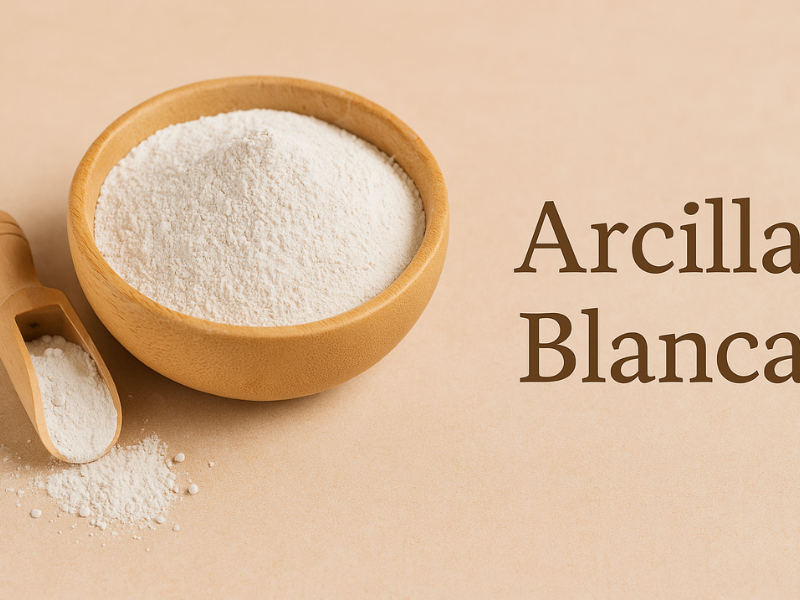
Using white clay around the house, and why it surprised me so much.
I’ll be honest, for a long time I assumed white clay was strictly a personal-care thing. I figured it was for masks and scrubs and not much else. I was already happy with that, but life had another surprise in store.
This is where you really see how versatile it is. The same stuff that calms your skin will also leave your faucets gleaming. It’s like the product you’ve been hunting for without knowing it. I’ve kept it on hand ever since. It’s helped me with surfaces I used to dread cleaning, and best of all it does the job without strong smells, without harsh ingredients and without a long list of precautions.
Streak-free stainless steel with a beautiful shine.
If you have stainless steel faucets, a sink, a range hood or appliances, you know they’re gorgeous right up until the fingerprints, water spots and grease start piling on. I had a love-hate relationship with those surfaces, because no matter how much I cleaned there was always a mark left behind. One day I tried mixing a little white clay with water into a soft paste and applying it with a sponge. The difference was immediate.
White clay cleans and polishes at the same time, but so gently that it doesn’t scratch or leave swirl marks. Once you rinse and buff it dry with a cloth, the shine is incredibly clean-looking. It’s a natural shine, not the slick, greasy kind some commercial products leave. For me it was a turning point, because cleaning those spots stopped being a battle and started being fast and honestly kind of satisfying.
How it helped me tackle grease on stubborn surfaces.
Baked-on grease is maddening. It doesn’t matter how hard you scrub, there’s always a sticky residue that takes forever to shift. When I tried white clay on my kitchen backsplash and the outside of the range hood, the difference was huge. The clay works like an absorbent, drawing the grease into itself without any harsh products.
I make a slightly thicker paste, spread it over the area and scrub with a non-scratch sponge. The grease lifts away far more easily. If I want extra power on limescale I’ll follow up with a little vinegar afterward rather than mixing it in, since vinegar and soap cancel each other out. It’s impressive how well such a simple mixture leaves surfaces clean and smooth to the touch.
The surprise I got cleaning silver and other metals.
This one came from family. My mom saw me using clay in the kitchen and mentioned that people used to clean silver with it. I had no idea, but you know how it is when your mother tells you something like that: you try it. I grabbed a few silver bracelets that had gone dark and rubbed them with a very thin paste of white clay and water. The result was spectacular.
What I liked most is that they got their shine back without the harsh smell some dedicated polishes have. And because it’s so gentle, it doesn’t scratch or wear the piece down. It works on silver and on other metals that need a softer touch. Do test a hidden spot first if a piece is plated or antique. It’s turned into a little ritual for me since then. I love watching something dull come back to life in a matter of minutes.
Absorbing odors in closed spaces like closets and shoes.
If there’s one thing white clay does especially well, it’s absorb odors. It’s as though it swallows whatever’s lingering in the air. I started by putting some inside a pair of shoes that had picked up a smell, and got a very pleasant surprise. I left it overnight in a little fabric pouch and by morning the shoes were perfectly fresh.
I’ve used it in plenty of other spots since. I keep a small cup of it in the fridge to keep smells in check, in drawers where I store delicate clothes, and in closets that occasionally get that shut-up smell. It’s so simple that it’s hard to believe it works this well, but it does. And it does it without adding perfume, which so often just masks an odor rather than getting rid of it.
Lifting stains out of rugs and upholstery.
This trick has become one of my favorites, because it’s bailed me out more than once. When wine, coffee or anything else goes over on a rug or a couch, the panic is real. I used to run for a stain remover. Now the first thing I do is cover the spot with white clay.
What the clay does is soak up the liquid and draw the stain up with it. The more clay you pile on a fresh spill, the better it works, and the sooner you get to it the better your odds. Blot rather than rub, let it sit until it’s dry, then vacuum the powder up. It works best on greasy stains and fresh spills. Sometimes the mark disappears altogether, and when it doesn’t, whatever’s left comes out far more easily in the wash. Do try a hidden corner first, especially on wool or anything delicate. It’s a genuinely useful trick, particularly if you have pets or kids.
What white clay is actually doing, and why it works.
After using it for a long stretch, I realized that understanding why it works helps you get more out of it. This isn’t about memorizing complicated terms, it’s about knowing what it actually does. White clay is special not just for how gentle it is, but for what it’s made of.
One of the first things I learned is that its extremely fine texture is exactly what makes it so kind to skin. It doesn’t scratch or irritate, which I value enormously. It also has a real knack for absorbing impurities without stripping away the natural oils that protect your skin. It cleanses, but it respects the skin while it does it. That combination, for me at least, makes an enormous difference.
Its mineral content helps balance the skin and improve how it looks. That glow we’re all chasing doesn’t have to come from expensive products. Sometimes it shows up simply because your skin feels calm and settled, and white clay is good at getting it there.
It’s also often described as mildly antibacterial, which suits skin that’s prone to the occasional breakout. It isn’t a heavy-duty treatment, more a steady bit of support that keeps things calm.
Around the house, those same qualities are what make it work so well on surfaces, odors and stains. It’s a generous material that does different jobs depending on how you use it, but always effectively and always gently.
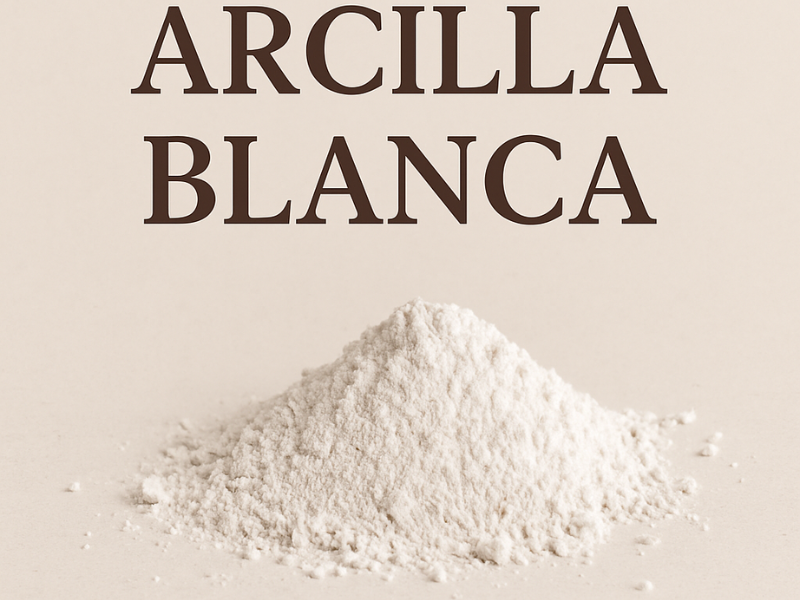
The white clay recipes I make on a regular basis.
If there’s one thing I’ve learned after all this time, it’s that white clay is at its best combined with natural ingredients that play to its strengths. Here are the recipes I turn to most, the ones that never let me down. Nothing complicated, no obscure ingredients, just mixes you can put together at home in a few minutes.
Brightening honey mask for days when your skin needs a break.
I make this one when I look in the mirror and my skin seems dull and lifeless. Clay and honey together bring calm, cleansing and a really pretty glow. I mix a teaspoon of white clay with a teaspoon of honey and add a few drops of water to loosen it up. It’s a simple combination that leaves skin soft and very relaxed.
I give it ten minutes at most and rinse with warm water. It’s surprising how well it works, especially if you want to look well rested without an elaborate routine.
Soothing mask for sensitive or irritated skin.
For days when my skin is especially delicate, I like mixing white clay with cooled chamomile tea. Sometimes I’ll add a couple of drops of calendula oil if things are really reactive. It calms almost immediately and feels lovely going on.
I use a thin layer and take it off before it dries all the way. Every time I use it, the redness settles down and my skin feels more balanced.
Bathroom scrubbing paste that leaves everything like new.
I came up with this one out of necessity. I wanted something that would leave the fixtures and the shower spotless without reaching for anything too harsh. I mix white clay with a teaspoon of liquid castile soap and add water until it’s the consistency of a thick cream.
I put it on with a sponge and scrub gently. Soap scum lifts away and everything comes out clean with a really nice finish. For hard water deposits, rinse the paste off first and then go over the spot with plain white vinegar — don’t put the vinegar in the paste itself, because acid and soap neutralize each other and you end up with a curdled film instead of a cleaner. And skip the vinegar altogether on marble, granite or any natural stone, which it can etch. For me this is a comfortable, effective way to clean without suffering through fumes or irritation.
Absorbent powder for feet and shoes.
This is one of the simplest and most practical. White clay with a pinch of cornstarch soaks up moisture and leaves everything feeling fresh. You can use it on its own or add a drop of tea tree if you want something a little more purifying.
I use it on my feet and inside my shoes when it’s hot out, or when I know I’ll be on the go for hours. It works remarkably well.
Soothing poultices for minor aches.
This is one of the most traditional uses of all. White clay mixed with cold water makes a paste you can apply to an area with mild swelling, a fresh bump or a bit of muscle tension.
The clay helps calm things and takes the edge off the puffiness. It’s gotten me through more than one moment when all I needed was something simple that worked. Keep it to intact skin, though — never over a cut or an open wound — and if the pain is significant, the swelling keeps growing or it isn’t better within a couple of days, that’s a call for a doctor, not a poultice.
A rundown of the different clays, so you can pick the right one.
Knowing how the common clays differ is genuinely useful, because it makes choosing the right one for your skin much easier. They all have their strengths, and none of them is perfect for everybody.
White clay, or kaolin.
The gentlest of the bunch. Ideal for sensitive, dry or mature skin, or for anyone who wants balanced cleansing. Its fine texture and calming effect make it a great fit for a daily routine, or for the days when your skin is out of sorts. It leaves things fresh and bright without irritation.
Green clay.
The strongest one. It absorbs a great deal and is perfect for oily skin, skin that gets shiny or skin with deeper breakouts. That said, it can be too much if you’re sensitive. I use it when my pores feel congested or my skin feels overloaded, but nowhere near as often as the white.
Red clay.
Red clay is wonderful for dull, tired skin. It stimulates microcirculation, brings back some vitality and leaves your face warm-looking with a healthy tone. It’s a good pick if you want to revive your skin without anything aggressive. Because it does get the circulation going, though, it isn’t the one to reach for if you’re prone to flushing or have rosacea — white or pink is the safer bet there.
Pink clay.
Pink sits right in the middle. It’s usually a blend of white and red, and it takes the best of both. Gentle, brightening and revitalizing. Perfect for sensitive skin that could use a little lift. I use it when I want to see a visible change without risking irritation.
Rhassoul clay.
Well known in Morocco and wonderful for hair and body. It’s great at cleansing without stripping away all your natural moisture. It leaves hair feeling fresh and the scalp light. It can work well on your face if your skin is oily, though it isn’t as gentle as white clay.
My full white clay ritual for when I need a reset.
I love including this part, because a lot of the time we don’t know what to do with clay beyond a face mask. Here’s the whole routine I follow when I need a break, or when my skin is clearly asking for some attention. It’s a deeply relaxing stretch of time that helps me as much mentally as physically.
Step one. Gentle cleansing with clay.
I start by putting a little white clay in my palm and adding a few drops of water to make a light cream. I massage it gently over damp skin. It wakes everything up without overstimulating it. Then I rinse with warm water and pat dry with a soft cloth.
Step two. A mask suited to whatever my skin is doing that day.
If it looks tired I mix white clay with honey. If it’s irritated I use chamomile tea. If I’m dealing with excess oil I’ll add a single drop of tea tree, which does the job without any of the risk that comes with putting lemon juice on your face. I apply it, leave it a few minutes and take it off before it dries all the way. My skin comes out fresh and balanced.
Step three. A hydrosol to freshen up.
After the mask I like to spritz on a little rose or lavender water. It’s a small thing that feels delicious on the skin.
Step four. Moisturizer to match the moment.
This depends on what my skin needs. Sometimes a light cream if it’s summer, something richer in winter. The point is giving your skin something comforting after a deep cleanse.
Step five. A gua sha massage, if there’s time.
This step is completely optional, but I love it when I can fit it in. After everything else, your skin is in perfect shape for a little massage that helps with puffiness, releases tension and improves how your face looks overall.
Frequently asked questions.
Can I use it every day?
It depends how. As a gentle cleanser, yes, daily is fine. Plenty of people use it in the morning for a quick, pleasant wash. As a mask, once or twice a week is plenty. Beyond that you’re not really gaining anything. Skin appreciates a deep clean, but it needs its balance too.
Does it expire or go bad?
White clay powder lasts a very long time. It’s a stable product. Keep it somewhere dry and tightly closed and you’ll get months out of it without any trouble. The one thing to know is that once you’ve mixed it with water or anything else, it’s best used right away. Storing leftover mixes isn’t a good idea, since they can pick up bacteria or lose their punch.
Is it good for acne-prone skin?
It is, as long as you’re gentle about it. White clay helps manage oil, is often described as mildly antibacterial and calms inflammation, which makes it a good companion for mild to moderate acne. That said, listen to your skin. If it starts feeling irritated or too dry, ease off or pair the clay with something soothing like calendula or aloe.
Can I mix it with essential oils?
You can, but go carefully. Essential oils are very concentrated and a drop or two is all you need. The usual picks are tea tree, lavender and chamomile. They add something, but they also raise the risk of irritation if you overdo it. That’s why I only use them now and then, and always in the smallest amounts.
Will it stain clothes or towels?
White clay on its own doesn’t usually stain, since it’s so pale. But mix it with oils, herbs or a deeply colored tea and it certainly can. I use towels I don’t mind ruining whenever I’m making masks, just in case. Better that than scrubbing stains out afterward.
Every so often I think about how strange it is that something as basic and humble and seemingly simple as white clay could change so much about how I take care of myself, and about what I think actually works. I’ve realized that we so often go looking for complicated solutions: products full of ingredients we can barely pronounce, or endless routines that eat our time and create more stress than they relieve. And then every once in a while something comes along to remind us that the essentials don’t have to be complicated.
White clay turned up in my life completely by chance. It wasn’t an expert’s recommendation and I didn’t see it in some glossy ad campaign. It came from a friend, with that casual ease people have when they’re recommending something that genuinely works. I remember thinking at the time that it couldn’t possibly be that good, and that it probably wouldn’t do much for me. I could not have been more wrong. When I started using it I didn’t just notice changes in my skin, or in how clean my house was. I noticed it helped me simplify. To choose fewer things, but better ones. To realize I don’t need a shelf full of products to feel looked after.
Something I love about white clay is that it meets you where you are. It’s the product that never lets you down. If your skin is irritated one day, it calms it. If you wake up looking washed out, it gives you back a little light. If you’re facing a surface you can’t get clean, it makes it easy without you breathing in chemicals. And if you need to rebalance your scalp or soothe a bump, it’s there for that too.
Not many products can say the same, and I’m not just talking about how well it works. There’s a sense of trust and familiarity that comes with something this natural. No elaborate rituals required, no technical know-how. Just water and a willingness to try. And when something gives you that much and asks for so little in return, it becomes a small everyday treasure.
If you decide to try it, chances are you’ll find a loyal companion that surprises you with how quietly effective it is. And who knows, maybe one day you’ll end up recommending it the same way it was recommended to me, in an easy conversation with somebody you want to help.