Discover all the secrets of lavender, a magical plant with centuries of history. Learn about its properties, uses, legends, effects, and how to preserve it, and find out how to use its relaxing and therapeutic power to take care of your well-being naturally.
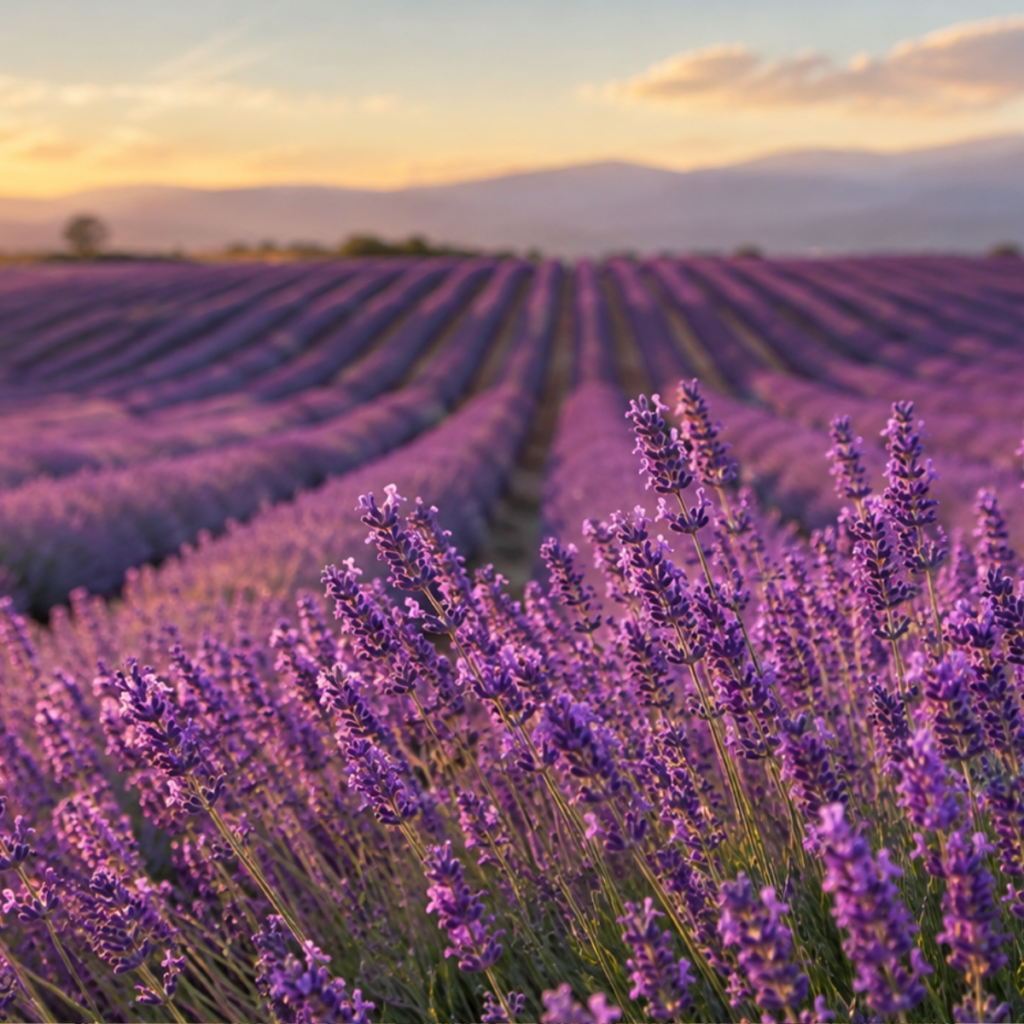
I remember perfectly the first time I smelled freshly cut lavender. It was summer, the air was warm, and the fields were full of that distinctive violet color that almost seems unreal. When I rubbed a little sprig between my fingers, its scent lingered on my skin, wrapping everything in an immediate calm. In that moment, I understood why so many people call it the peaceful soul of plants.
Since then, lavender has been a part of my life in many ways. In the bedroom, in the bathroom, in herbal tea, or simply in a small bouquet on the nightstand. Every time I use it, it reminds me that well-being is found in simplicity, in small gestures, and in the power of nature.
What lavender is and why it’s so special
Origen y características.Origin and Characteristics
Lavender belongs to the mint family and its most common scientific name is Lavandula angustifolia, although there are other species such as Lavandula latifolia or Lavandula stoechas. It is native to the Mediterranean basin and grows in dry, sunny, well-drained soils.
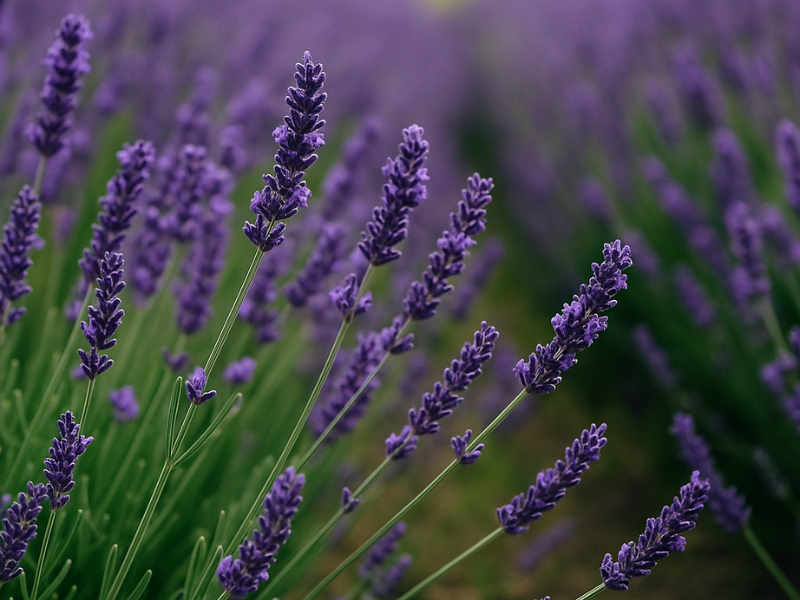
Its flowers, in a shade of violet or intense blue, grow in spikes that give off an unmistakable aroma.It’s a hardy, resilient plant; once it blooms, it scents the air, attracts bees, and turns any landscape into a lively picture.
A little bit of history
The Romans used lavender to scent the water in their baths, keep clothes clean, and perfume spaces. In fact, its name comes from the Latin verb *lavare*, which means to wash.
During the Middle Ages, it was used to purify the air and protect against diseases. Bouquets were placed in homes or among clothes, and it was believed that its scent would ward off evil spirits and pests.
Over time, French distillers began extracting its essential oil, which became one of the pillars of perfumery and aromatherapy. Today, centuries later, it remains one of the most beloved plants in the natural world.
Legends and symbolism of lavender
The flower of serenity
In ancient Greece, it was said that lavender was a gift from the gods, to calm sadness and bring peace. Medieval monks grew it in monastery gardens to make healing ointments and keep bad energies away. In Provence, France, where lavender fields cover entire hills, women used to keep little bunches under their pillows to sleep better and have peaceful dreams. It was also said to protect whoever carried it and attract true love.
A symbol of purification
Lavender has always been associated with cleanliness, both physical and spiritual. In fact, in many cultures, its dried flowers were burned to cleanse the environment, or added to ritual baths to purify the body and mind.
Even today, many people put lavender sachets in their closets or use it in relaxing baths as a symbol of renewal, calm, and balance.
Properties of lavender
Lavender is a very complete plant; its essential oil, its flowers, and its aroma offer a wide range of benefits, both physical and emotional.
Physical properties
- Relaxes muscles and reduces physical stress.
- Helps you fall asleep naturally.
- Calms headaches and migraines.
- Has antiseptic and healing properties, perfect for small cuts, burns, or insect bites.
- Soothes digestive discomfort if taken as an infusion.
- It’s anti-inflammatory, making it useful in massages or creams for muscles and joints.
Emotional properties
The scent of lavender acts directly on the nervous system, reducing anxiety and nervousness, helping to balance emotions and bringing a sense of peace. Inhaling its scent before bed promotes rest and calms the mind.
It is also used in aromatherapy to fight sadness, exhaustion, and moments of emotional stress.
Cosmetic properties
Lavender is highly valued in natural cosmetics; its antibacterial, regenerative, and soothing properties make it perfect for sensitive skin or skin prone to acne. It can be added to tonics, creams, shampoos, and soaps… plus, its soft, floral scent makes it an ideal fragrance to use in body care products.
Traditional and current uses
In aromatherapy
Lavender essential oil is one of the most widely used oils in aromatherapy; it can be used in diffusers, aromatic baths, massages, or even on on pillowcases to induce relaxation. Just put a few drops on the pillow, or dilute the oil in a bit of hot water, to enjoy its calming effect. You can also apply it diluted on your wrists or neck when you need to relax or focus.
In natural cosmetics
Lavender is a classic in natural cosmetics. You can make your own body oil with dried lavender flowers and sweet almond oil, or add its essential oil to your creams or masks to care for your skin.
Lavender water or its hydrosol is used as a facial toner to soothe irritation, refresh, and tone the skin after daily cleansing.
At home
Small bunches and sachets of dried lavender scent clothing, keep moths away, and leave a fresh smell in closets and drawers. They can also be used in heat packs to ease muscle tension or to help you relax before bed. At home, a diffuser with a few drops of lavender oil helps purify the air and create a calm atmosphere.
In the kitchen
Although it’s not very common, lavender is also used in cooking. Its slightly floral flavor pairs well with honey, jams, desserts, or even cold herbal teas. Some dried lavender flowers can turn a simple lemonade into an aromatic and special drink.
How to make your own preparations
Relaxing infusion
Ingredients:
- A teaspoon of dried lavender flowers.
- A cup of hot water.
Steep the flowers in hot water for about ten minutes, strain, and drink slowly. It’s ideal before bed or after a hectic day.
Homemade lavender oil
Fill a jar with dried flowers and cover them with olive oil or sweet almond oil. Let it infuse for three or four weeks in a warm place, shaking it occasionally. Strain and store the oil in a dark jar. It’s perfect for massage or for applying to the skin after a shower.
Lavender water or mist
Boil distilled water with dried flowers for a few minutes, let it sit, and strain. Store the liquid in a spray bottle. You can use it as a facial toner, body mist, or natural air freshener.
how to preserve it
To preserve lavender properly, dry the flowers in a cool, ventilated place away from sunlight. Once they are completely dry, store them in glass jars or cotton bags.
The essential oil should be kept in a dark, closed jar away from heat or light, to help preserve its properties for months.
Side effects and precautions
Lavender is generally considered safe, but it’s best to use it in moderation and always in the right way.
When to avoid it
- During the first trimester of pregnancy.
- In very young children.
- In people allergic to plants from the mint family.
Possible side effects
Applying undiluted essential oil directly to the skin can cause irritation in some people. It’s always better to dilute it in a carrier oil before using it.
If consumed in excess, lavender can cause drowsiness or slight digestive discomfort, so it’s best to enjoy it without overdoing it.
Curiosities about lavender
- The Romans added it to the water in public baths for its scent and cleansing power.
- Medieval laundresses used it to perfume clothes before hanging them out to dry in the sun.
- In Provence, bees that feed on lavender fields produce a particularly aromatic and delicious honey.
- In the language of flowers, lavender represents serenity, devotion, and purity.
If I had to pick just one plant, it would probably be lavender. Not just for its scent, but for the sense of peace it brings. I like having it nearby. In winter, as oil; in summer, as aromatic water; and all year round, a small dried bunch on the bedside table. Every time I smell it, I feel like it brings me back to the present, helps me breathe, and reminds me that well-being is found in the simple things.
Frequently asked questions about lavender
What’s the best variety of lavender for therapeutic use?
Lavandula angustifolia, or true lavender, is the most recommended for aromatherapy and natural wellness.
Can lavender be used on pets?
Yes, although always diluted and in small amounts. In cats, it’s best to avoid direct use.
How long does dried lavender last?
If stored properly, it can retain its fragrance for six to eight months.
Can I mix lavender with other plants?
Yes. It pairs well with chamomile,, rosemary, lemon balm, rose, or eucalyptus.
Is it normal for essential oil to have different scents depending on the brand?
Yes. Its aroma depends on the variety, the climate, the soil, and the time of harvest.
Calm smells like lavender
Sometimes, nature gives us little wonders capable of transforming a day. Lavender is one of them; it not only relaxes or perfumes, but it wraps you in a feeling of balance and serenity that’s hard to describe.
Every time I breathe in its scent, it reminds me that calm isn’t found outside, but within—and that sometimes a flower, a scent, or a quiet moment is enough to make us feel at home again, in harmony with ourselves.
If you ever have a rough day, try opening a jar of lavender, breathe in slowly, and let its aroma embrace you. Sometimes, well-being starts right there.
Do you have lavender at home, or have you ever used it? Do you prefer essential oil, dried flowers, or infusions? Tell me in the comments how you use it or how it makes you feel. I’d love to read your thoughts and share new ways to enjoy this very special plant.
IIf you enjoyed this post, be sure to check out the plants and flowers section of the blog!