Discover what solid hair care products are, what their benefits are, and how to make natural solid shampoos, conditioners, and homemade hair masks step by step
For decades, the cosmetic industry led us to believe that hair care depended on endless plastic bottles, water-filled liquid formulas, and long lists of hard-to-pronounce ingredients. However, in recent years, something has profoundly changed in the way many people understand beauty and self-care. Solid hair cosmetics have gone from being a craft curiosity to becoming a major trend in the world of natural and sustainable beauty.
More and more consumers are looking for healthier, more eco-friendly and conscious alternatives to care for their hair without creating unnecessary waste or using products loaded with harsh chemicals. Solid shampoos, solid conditioners, and natural hair masks have become one of the biggest trends within the zero waste movement and homemade natural cosmetics.
But far from being just a passing fad, they represent a real shift in the way we approach personal care and the environmental impact of our daily habits.
Solid cosmetics not only help reduce plastic consumption. They also allow for more concentrated formulas, more natural ingredients, and products that are much more personalized to suit the specific needs of each hair type.
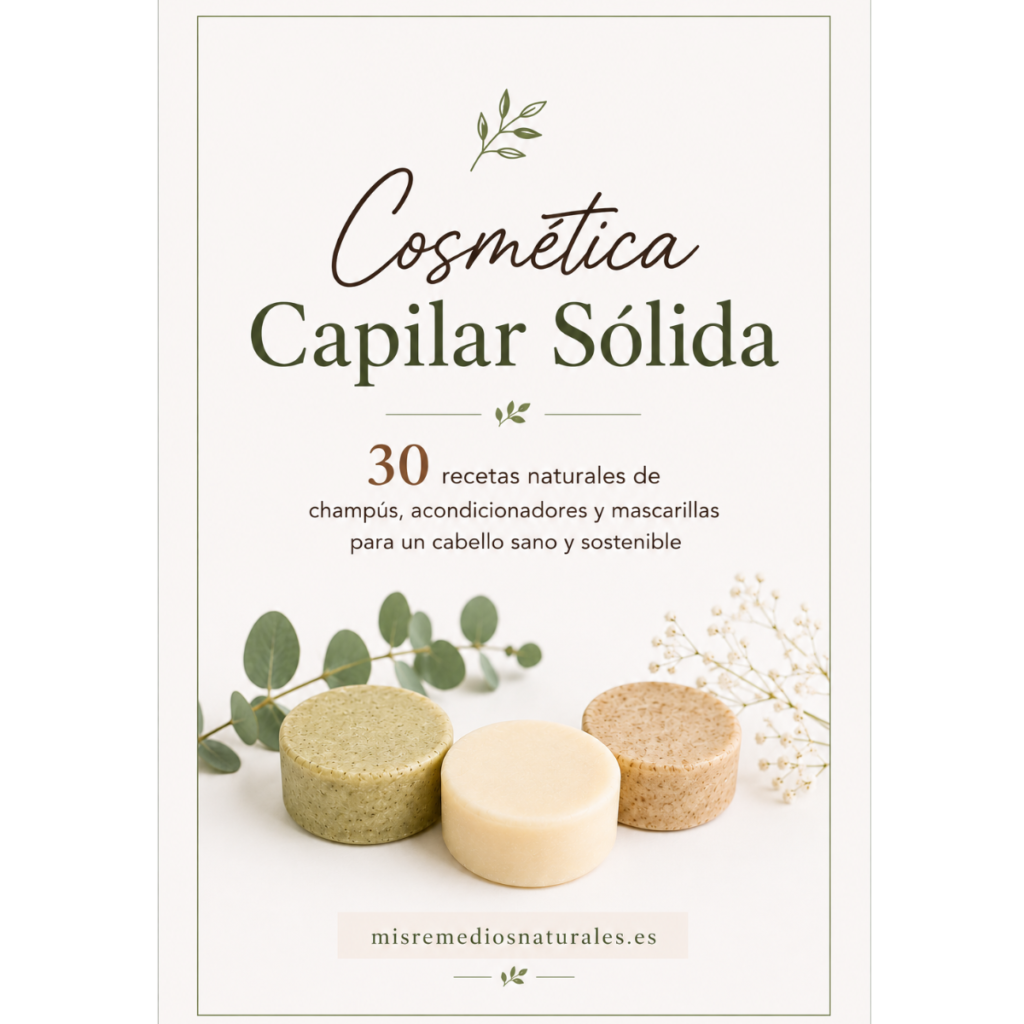
Also, with the growing popularity of DIY cosmetics, today it’s possible to learn how to make solid hair products at home in a relatively easy and accessible way, even for beginners. That’s why I created this book, which includes 30 easy recipes for all hair types.
This post contains affiliate links; if you buy through them, you support my work (at no extra cost to you)
What exactly is solid hair care?
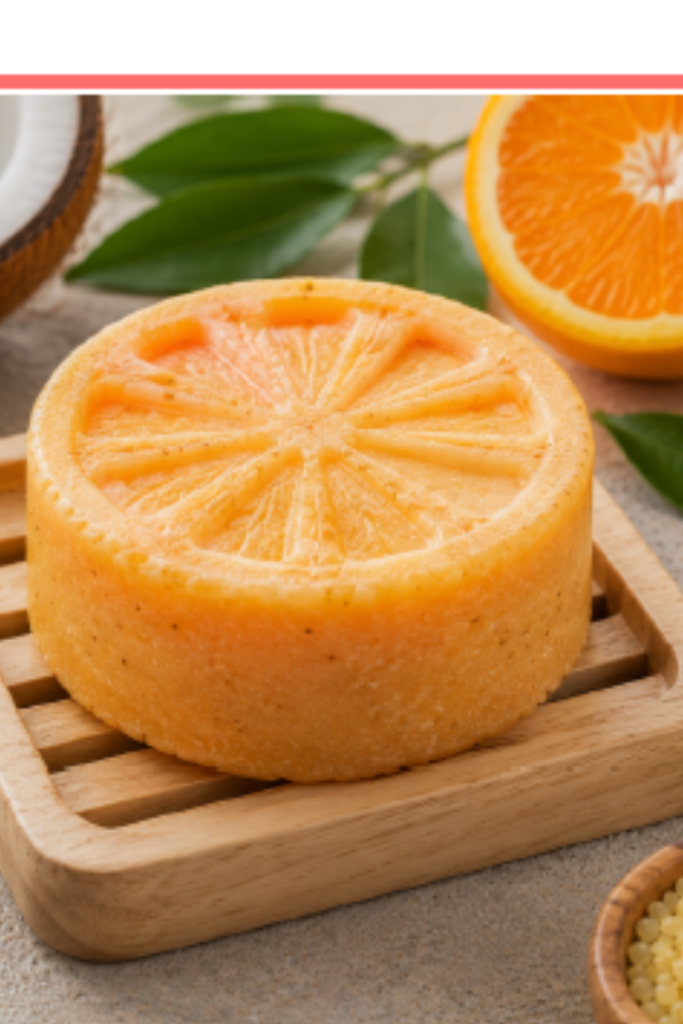
Solid hair care products are products made without added water and presented in solid form. Unlike traditional liquid shampoos, which have a high water content and require stronger preservatives to prevent the growth of microorganisms, solid products are concentrated formulas that contain a higher concentration of active ingredients.
This means that a small solid bar can last much longer than a conventional bottle of liquid shampoo. In addition, by removing most of the water from the formula, the product takes up less space, weighs less, and has a significantly lower environmental impact during transportation and distribution.
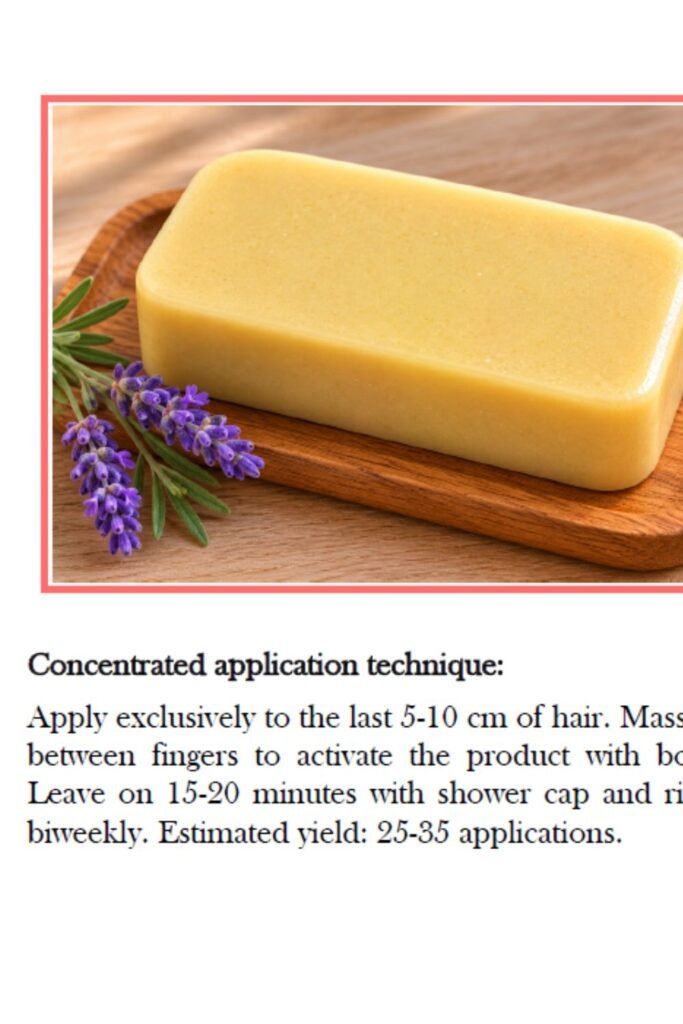
Within solid hair care, we can find different types of products, such as solid shampoos, solid conditioners, hair masks, scalp exfoliators, and nourishing treatments made with plant-based ingredients and botanical actives. Many of these products use natural butters, vegetable oils, hydrolyzed proteins, herbal extracts, and gentle coconut-derived surfactants.
The result is a range of formulas that are more sustainable, long-lasting, and tailored to your hair’s needs.
Why solid shampoos have become so popular
There are good reasons why solid shampoos have become so popular. There are several reasons why millions of people are swapping their traditional products for solid alternatives.
One of the main reasons is the growing concern about the environmental impact of plastic. Every year, billions of cosmetic containers end up in landfills and oceans. Most conventional liquid shampoos are sold in plastic bottles that create unnecessary waste and significantly increase environmental pollution.
Solid shampoos help significantly reduce packaging waste. A single bar can replace several bottles of liquid shampoo, making it a much more sustainable option for those who want to adopt more responsible consumption habits.
But the appeal of solid cosmetics isn’t limited to sustainability alone. Many people find that these products deliver surprisingly effective results. Since the formulas are more concentrated, the active ingredients are present in higher proportions and often can deliver effective results on the hair and scalp.
Additionally, solid products often include high-quality plant ingredients like shea butter, argan oil, jojoba, plant proteins, or botanical extracts that help leave hair looking healthier and more nourished.
In my book, you’ll find 10 shampoo recipes, 10 conditioner recipes, and 10 hair mask recipes for complete care.
Natural cosmetics and personalized hair care
One of the most interesting aspects of solid hair care products is the great potential for customization they offer. Every hair type has different needs, and homemade formulations allow recipes to be adapted to those specific characteristics.
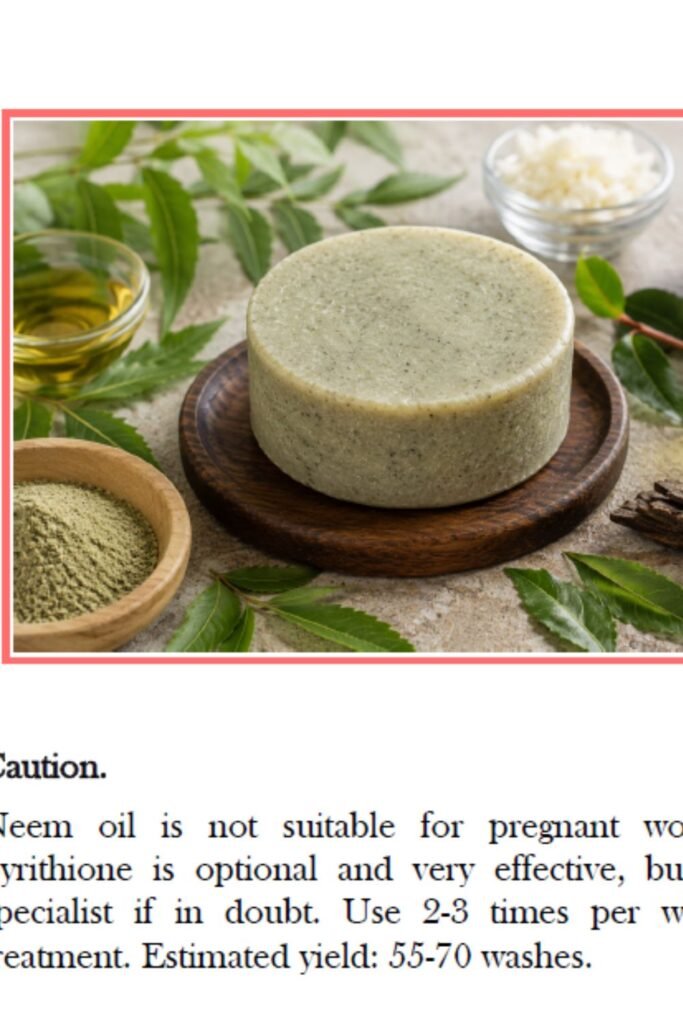
Oily hair, for example, usually benefits from purifying ingredients and sebum-regulating agents like green clay, rosemary, nettle, or tea tree. On the other hand, dry and damaged hair needs richer, more nourishing formulas that include vegetable butters, repairing oils, hydrolyzed proteins, and moisturizing active ingredients.
Curly hair usually needs extra nourishment to control frizz and maintain the hair’s natural elasticity. Meanwhile, people with sensitive scalps look for gentle formulas with soothing ingredients like colloidal oatmeal, chamomile, calendula, or bisabolol.
Homemade natural cosmetics make exactly that possible: creating personalized products based on your hair’s real needs and avoiding unnecessary ingredients found in many conventional cosmetics.
Most Common Ingredients in Solid Hair Care
The formulation of solid hair products is based on a balanced combination of surfactants, butters, oils, extracts, and cosmetic actives.
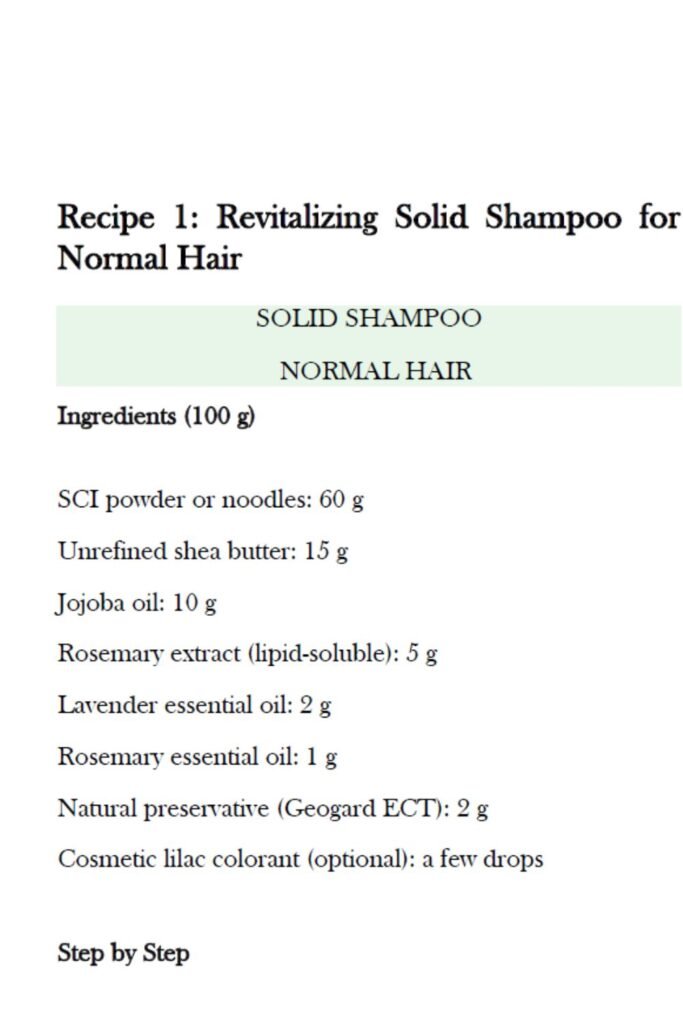
One of the most commonly used ingredients is SCI (Sodium Cocoyl Isethionate), a gentle coconut-derived surfactant that creates a creamy, scalp-friendly lather. It’s especially popular in formulas for dry, sensitive, or colored hair because of its mildness.
Another common surfactant is SCS (Sodium Coco Sulfate), which has stronger cleansing properties and is usually used in products meant for oily hair or hair with excess sebum.
In the case of solid conditioners, one of the key ingredients is BTMS, a plant-based conditioning agent that helps detangle, soften, and reduce static in the hair.
Vegetable butters also play an essential role. Butters such as shea, cocoa, mango, murumuru and cupuaçur provide nourishment, protection, and a stable solid texture to the products.
On the other hand, vegetable oils allow you to customize formulas to suit those specific needs. Jojoba oil helps balance sebum, argan oil adds shine and helps repair damaged hair, castor oil strengthens the hair fiber, and avocado oil provides deep nourishment.
Is it hard to make homemade solid shampoos?
Many people think that making solid hair care products is complicated, but in practice, the basic processes are quite manageable if you follow well-formulated recipes and use the right ingredients.
Most recipes follow a relatively simple structure. First, you melt the butters and vegetable oils, then you add the surfactants, and finally, you incorporate heat-sensitive actives, fragrances, and preservatives before pouring or pressing the mixture into molds.
With just a few basic tools, it’s possible to start making solid cosmetics at home:
- a precision scale.
- silicone molds.
- a spatula.
- heat-resistant containers.
- and a thermometer.
The key is to follow the recommended processing temperatures and follow proper safety measures, especially when handling powdered surfactants.
The growth of sustainable beauty
Sustainable beauty has become one of the fastest-growing sectors in the global cosmetics industry. More and more consumers are looking for more natural products, environmentally friendly formulas, and plastic-free alternatives.
Solid cosmetics fit naturally into this approach because they combine sustainability, practicality, and effectiveness in a single product. Plus, making them at home allows you to reduce costs, control the ingredients, and enjoy a very rewarding creative experience.
For many people, creating their own personal care products also represents a way to reconnect with more artisanal and mindful processes in a world increasingly dominated by a culture of rapid consumption and mass production.
Learn how to make your own solid hair products
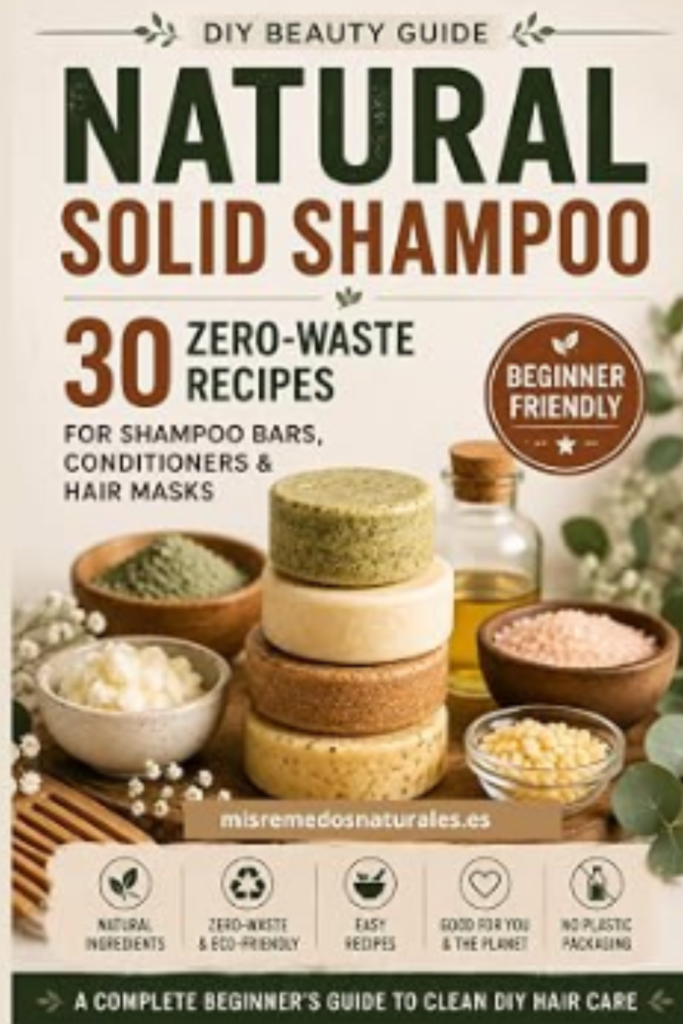
If you want to get started with solid hair care,, the book “Natural Solid Shampoo” is a practical, comprehensive guide designed to teach you from scratch.
Inside, you’ll find 30 step-by-step recipes using natural ingredients to make solid shampoos, conditioners, and hair masks tailored to different hair types. The book also includes information on ingredients, formulation, storage, and basic techniques for making natural cosmetics at home.
Everything is explained clearly, practically, and in an accessible way for beginners and those who already have some experience.
Frequently Asked Questions About Solid Hair Care
Do solid shampoos clean as well as liquid shampoos?
Yes. A well-formulated solid shampoo can effectively cleanse the hair and scalp. The main difference is that it contains less water and a higher concentration of active ingredients. Many people even notice that their hair feels lighter, cleaner, and more balanced after several uses.
Is solid shampoo good for all hair types?
Yes, provided the formula is suited to the individual hair type. One of the biggest advantages of solid hair care products is precisely the ability to customize ingredients and actives according to the specific needs of your hair.
How long does a solid shampoo bar last?
It depends on how often you use it and how you store it, but a single bar can replace several bottles of regular liquid shampoo. If kept dry between uses, it usually lasts much longer than most people think.
Is it hard to make homemade solid shampoos?
Not necessarily. Although at first some ingredients may seem unfamiliar, most recipes follow relatively simple processes. With a precision scale, suitable molds, and well-formulated recipes, beginners can start making their own solid hair products at home.
What ingredients are used in solid hair care products?
The most common ingredients include gentle surfactants like SCI, vegetable butters, natural oils, hydrolyzed proteins, botanical extracts, and essential oils. The combination of these ingredients makes it possible to create effective products tailored to different hair needs.
Is solid hair care really more sustainable?
Yes. By reducing water use and eliminating most plastic packaging, solid products generate less waste and have a lower environmental impact during transport and production. Plus, many formulas use biodegradable and plant-based ingredients.
Are solid cosmetics suitable for beginners?
Yes. There are now many recipes and guides designed specifically for people with no previous experience. With the right information and simple formulas, it’s possible to start gradually and learn the basics of homemade natural cosmetics in a practical way.
Discover a new way to take care of your hair
Solid hair care is not just an eco-friendly alternative. It’s also a more conscious, creative, and personalized approach to personal care.
Reducing waste, using natural ingredients, and creating products tailored to your hair’s individual needs can transform your daily hair care routine.
More and more people are discovering that natural and sustainable beauty doesn’t have to be complicated. Solid shampoos are a great place to start.
You can get the book here