Learn how to make a homemade aloe vera and mint after-sun lotion step by step. This quick, natural, and refreshing recipe helps soothe and moisturize your skin after sun exposure.
If you’re anything like me, always keeping busy but craving a moment to slow down and reconnect with nature when summer arrives, you’re going to love this article.
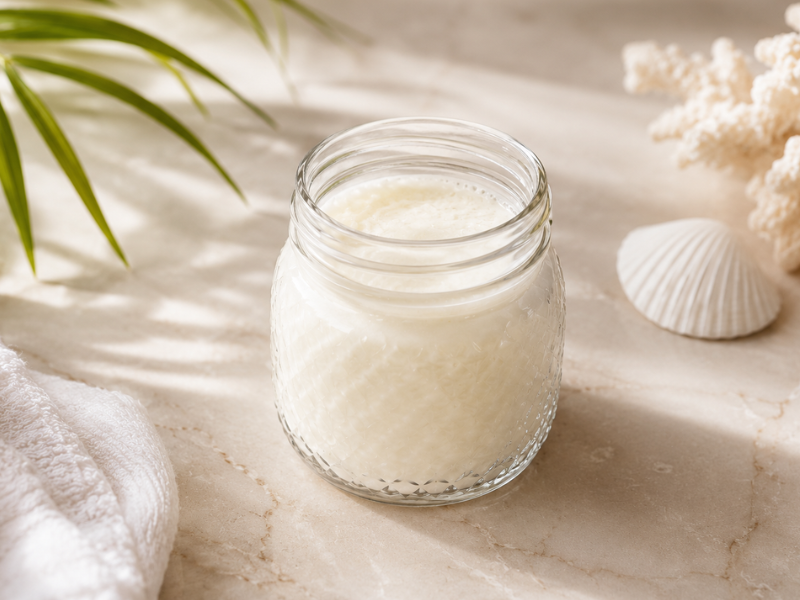
Today I want to talk to you about something that has been a game-changer for me in my summer routine: a homemade aloe vera and mint after-sun lotion. This isn’t one of those products you make once and then forget at the back of a cupboard, but about that remedy you’ll make once and then repeat every year as soon as the sun starts heating up.
This post contains affiliate links, using them helps me out at no extra cost to you
Why your skin needs extra care after sun exposure
To understand how this homemade after-sun can help, we first need to look at what happens to the skin after several hours in the sun.
Even if we don’t get sunburned (which is something we should always avoid), the sun’s rays, the heat, and sweating cause the water in our epidermis to evaporate much faster than usual.
This can leave the skin feeling dehydrated, tight, warm, and slightly irritated.
Most commercial products focused on post-sun care contain mineral oils derived from petroleum, such as liquid paraffin.
Occlusive ingredients form a barrier on the surface of the skin that helps reduce moisture loss. However, some people may find heavier formulas uncomfortable on hot or irritated skin.
Also, the added alcohols that are meant to give a light, fast-absorbing texture end up dehydrating the deeper layers of the skin even more.
Ingredients such as aloe vera and properly diluted peppermint essential oil can provide a soothing and refreshing sensation.
Aloe vera provides water and naturally occurring compounds that may help moisturize and calm mildly irritated skin.
The soothing and moisturizing properties of aloe vera
Aloe vera, also known as sábila in Spanish-speaking countries, is a plant that has been used for thousands of years in the traditional medicine of various cultures, and it’s not by chance.
If you cut an aloe vera leaf, you’ll see that inside it holds a thick, transparent gel. This gel is almost entirely water (about ninety-nine percent), but the remaining one percent is a real nutrient bomb for the skin.
Among its main components are vitamins A, C, and E, which are powerful antioxidants that fight the free radicals generated by sun radiation. It also contains other compounds that are being studied for their potential role in skin care.
But what really makes aloe vera stand out is its content of mucilages and polysaccharides, especially acemannan. This compound has been studied for its moisturizing, soothing, and skin-supporting properties.
When you apply aloe vera on your skin after a day in the sun, it provides immediate relief thanks to its natural cooling effect. Plus, its light texture absorbs quickly without leaving a greasy residue, providing lightweight hydration that may help reduce dryness and flaking (that famous flakiness we get when we peel), and helps the skin look smoother and more evenly moisturized.
Peppermint: a refreshing finishing touch
If aloe vera is the base of our after-sun, mint is the spark that completely transforms it. In this recipe, we can use either a concentrated infusion of mint leaves or peppermint essential oil.
The secret of mint lies in its high menthol content, an organic compound that directly interacts with the cold receptors in our skin.
When you apply menthol to the skin, it subtly tricks your nerve endings into thinking the temperature has dropped suddenly, creating an intensely pleasant cooling sensation on sun-congested skin.
This cooling sensation can feel soothing on warm or mildly irritated skin.
In addition to its refreshing effect, peppermint may provide a refreshing sensation, although it can also irritate sensitive skin if used at too high a concentration. It’s the perfect complement to aloe vera, as it enhances its calming action and provides a fresh and stimulating scent that relaxes the body and mind after a long day outdoors.
Why add a carrier oil to the formula?
Although aloe vera and mint are an excellent combination on their own, their texture is purely watery. The skin, in order to retain the hydration we’re giving it, also needs a lipid (fat) component to lock in the moisture.
If we only applied aloe gel, as the water in the gel evaporates, we might feel some tightness in the skin.
To solve this and create a complete product, it is highly recommended to add a small percentage of a high-quality vegetable oil. Depending on your skin type, you can choose one option or another:
Coconut oil is one of the most popular options because of its pleasant summery scent and its rich texture and emollient properties. It’s rich in lauric acid, which has antimicrobial properties, and helps to quickly restore the skin’s lipid barrier.
Calendula oil, on the other hand, is the king for sensitive and delicate skin. If your skin tends to get red very easily or if you’re prone to dermatitis or sun allergies, this oil is your best ally. It’s extremely soothing, anti-inflammatory, and helps heal and regenerate damaged tissues.
Olive oil is another fantastic option, and may work well for normal to dry skin. It is rich in essential fatty acids and vitamin E, which ensures elastic and silky skin.
Step-by-step recipe: homemade aloe vera and peppermint after-sun lotion
Now it’s time to make the lotion. You’ll see that making this after-sun is super easy and rewarding. You may already have some of the ingredients at home, although cosmetic emulsifying wax and preservative will usually need to be purchased.
Ingredients and measurements
- 17 grams of olive oil
- 6 g self-emulsifying wax
- 125 ml distilled water
- 2 tablespoons of aloe vera gel
- 4-5 drops of peppermint essential oil, used at the percentage recommended by the manufacturer
- leucidal preservative
Necessary utensils
- Two glass or ceramic containers.
- A hand mixer or a small manual whisk.
- A kitchen scale to weigh the ingredients accurately.
- A clean, sanitized pump bottle or jar with a capacity of at least 180–200 ml.
Learn how to make your own homemade, natural, and super refreshing after-sun to soothe, hydrate, and repair your skin after sun exposure
Total Time: 20 minutes
Prepare the oily phase
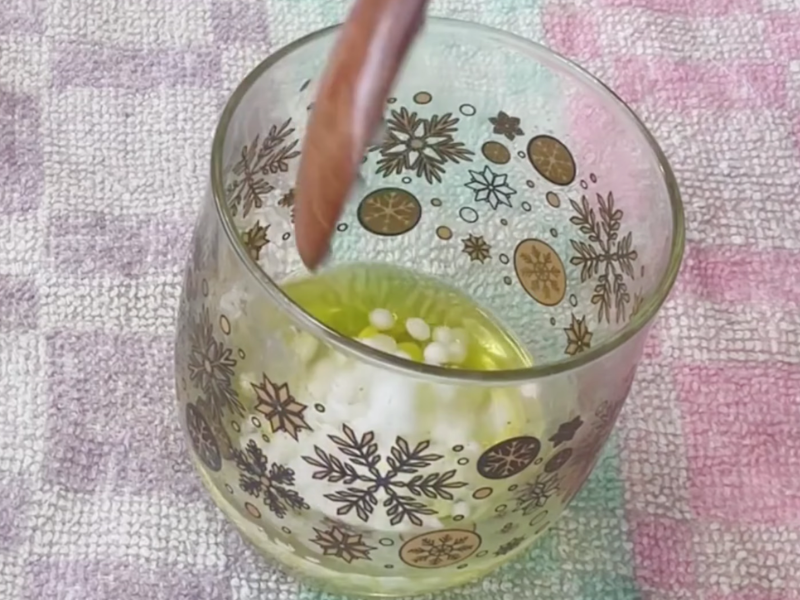
In a heat-resistant container, mix the oil of your choice with the self-emulsifying wax
Prepare the aqueous phase
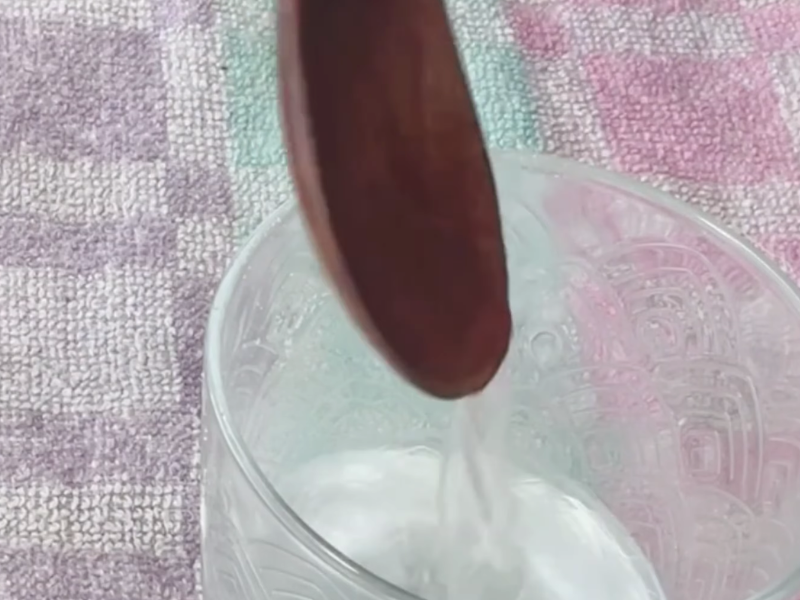
In a separate container, mix the water with the aloe vera
Water bath
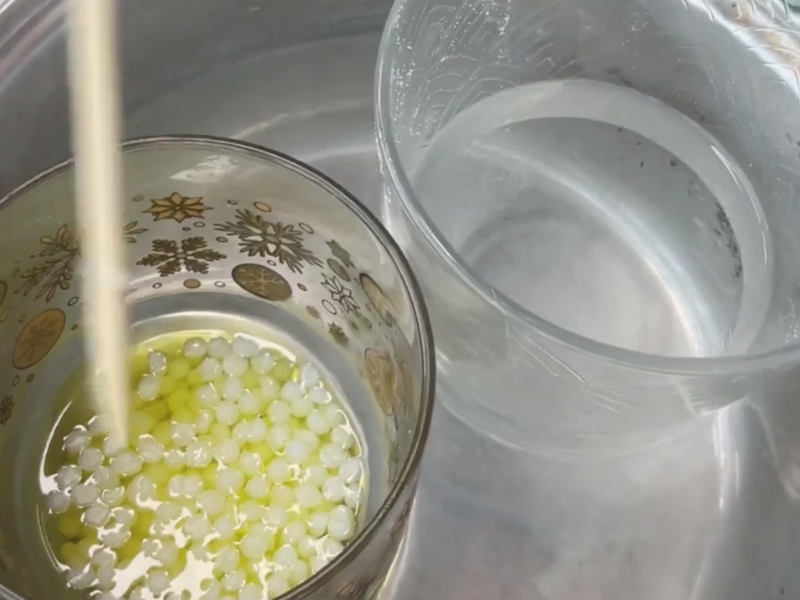
Heat both containers in a double boiler until the wax has fully melted and both phases have reached approximately the same temperature
Mix both phases
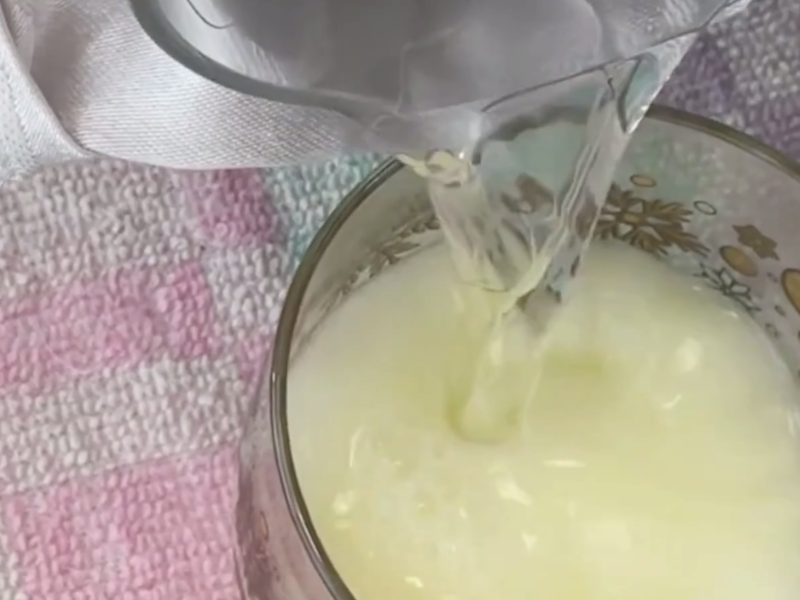
Remove the containers from the double boiler, slowly pour the water phase into the oil phase while whisking continuously.
Add the essential oil and the preservative
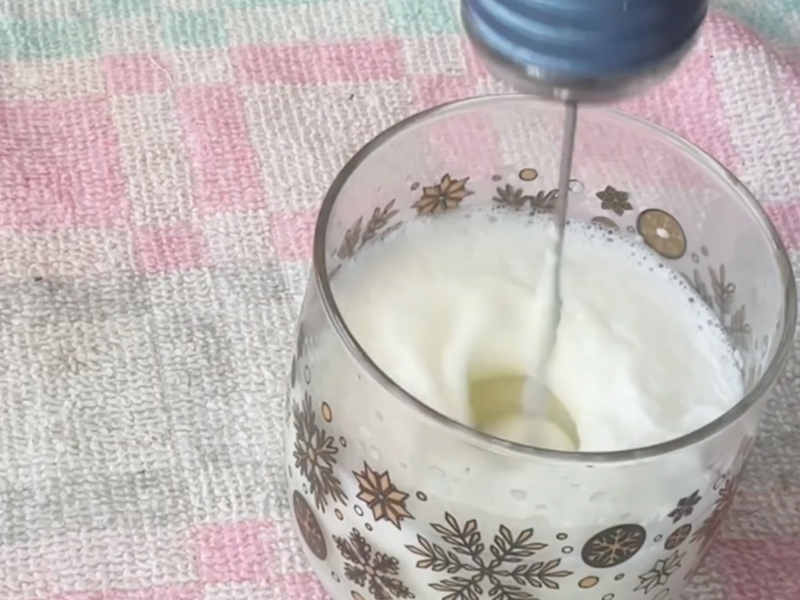
Allow the emulsion to cool below the maximum temperature specified for your preservative. Then add the peppermint essential oil and preservative according to the manufacturers’ instructions.
Estimated Cost: 5 USD
Supply:
- 17 grams olive oil
- 6 g self-emulsifying wax
- 125 ml distilled water
- 2 tablespoons aloe vera
- 4-5 drops peppermint essential oil
- leucidal preservative
You can also watch the step-by-step video on YouTube
Storage and shelf life: how to keep your after-sun fresh and safe
Since this is a homemade cosmetic product, preservation is a key aspect that we need to pay special attention to.
Store the finished product in a clean, airtight container, following the storage instructions provided with your preservative. Refrigeration may provide an additional cooling sensation but does not replace proper preservation. The cold of the fridge serves a very interesting double purpose in this recipe.
On one hand, it drastically slows down the growth of microorganisms, allowing your preparation to stay in perfect condition for longer.
On the other hand, applying this product straight from the fridge onto hot skin multiplies the sensation of relief and the cooling effect by ten, turning the moment of application into a true sensory delight.
If you’ve used aloe vera gel freshly extracted from the plant along with the preservative, the product will stay in perfect condition in the fridge for about two months.
Discard the product if you notice any change in smell, color, or texture. Keep in mind that microbial contamination is not always visible or detectable by smell.
If you notice any change in the smell, if the texture becomes excessively runny and separated, or if you notice small color changes or dark specks at the bottom, throw it away immediately and make a new clean batch.
Practical application tips to get the best results
Making homemade after-sun is only half the battle; knowing how to apply it properly is what will really make a difference in your skin’s recovery. Here are some simple tips to get the most out of your creation:
The best time to apply your aloe vera and mint after-sun is right after your shower. When you shower after a day in the sun, try not to use water that’s too hot; lukewarm or cool water may feel more comfortable on warm or irritated skin.
Avoid using very harsh harsh or heavily fragranced cleansers that may feel drying on sun-exposed skin; opt for mild, plant-based soaps or shower oils.
Once out of the shower, gently pat your skin dry with a clean cotton towel, without rubbing hard so as not to irritate the sensitive epidermis. Leave your skin slightly damp; don’t dry it completely.
This will greatly help the absorption of aloe vera and vegetable oils from your after-sun, helping to lock in that extra moisture on your skin.
Dispense a generous amount onto the palm of your hands and spread it all over your body with gentle, wide, circular movements. Avoid deep massages or strong pressure if you notice your skin is a bit sensitive.
The lotion should spread easily and leave the skin feeling cooler and more comfortable. Reapply as needed, provided the product does not cause irritation.
Commercial aloe vera gel vs. fresh aloe vera gel
When it comes to preparing this recipe, it’s very common to hesitate between buying a jar of aloe vera gel at the store or using the one from a plant we have at home.
Both options are perfectly valid and have their pros and cons, so the choice will depend on your priorities and the time you have available.
The gel extracted directly from the plant is the most natural option. You know exactly where it comes from, it hasn’t gone through heat processes that could take away the properties of the plant’s vitamins and enzymes, and it’s completely free of any chemical additives.
However, extracting it takes a bit of time and patience (especially because you absolutely have to remove the aloin), its texture is more fibrous and uneven, and once the product is prepared, it doesn’t last very long at all (barely a week in the fridge).
On the other hand, commercial aloe vera gel which you can find in natural cosmetic stores or herbal shops offers great convenience. It already comes filtered, its texture is completely smooth and even, and it usually includes mild preservatives allowed by organic certifiers that significantly extend the shelf life of your homemade after-sun
If you go this route, the key is to read the ingredient label (the INCI) very carefully. The first ingredient should always be Aloe barbadensis leaf juice or aloe vera gel, and you should avoid products that contain denatured alcohol, artificial green dyes, or synthetic perfumes listed among the first ingredients.
Safety precautions and recommendations you should keep in mind
Even though we’re using completely natural ingredients, natural doesn’t mean harmless. Plants are amazing and very powerful chemical laboratories, so it’s essential to follow some basic safety guidelines to avoid unwanted reactions on the skin.
The most important caution in this recipe has to do with peppermint essential oil. Essential oils are extremely potent concentrates that should never be applied directly to the skin without being diluted in a carrier oil or gel, and always in very low percentages.
In a 100-gram base formula, just 3 to 5 drops of essential oil are more than enough to notice its refreshing effect and to reduce the risk of irritation or sensitization.
Also, avoid the eye area. People with sensitive or reactive facial skin may prefer a fragrance-free version without peppermint essential oil. Menthol is a very volatile substance that, when it evaporates on the skin, can cause annoying tearing if applied too close to the eyes.
For the face, it’s better to use a gentler version by replacing the mint with chamomile or lavender hydrosol, which are just as soothing but much gentler on the mucous membranes.
If it’s the first time you’re going to use a homemade product with peppermint essential oil or with the gel from your own aloe plant, I recommend doing a simple patch test.
Apply a small amount of the finished after-sun on the inside of your elbow or on your wrist and wait twenty-four hours. If no irritation occurs after 24 hours, the risk of an immediate reaction may be lower, although a patch test cannot guarantee that the product will never cause irritation.
Finally, remember that this homemade after-sun is a cosmetic remedy designed to soothe, refresh, and nourish your skin after ordinary sun exposure.
Under no circumstances should it be used on severe sunburns (those that have blisters, lifted skin, intense pain, fever, or chills).
Seek medical advice promptly if the sunburn causes extensive blistering, severe pain, fever, chills, dizziness, confusion, or signs of dehydration.
Frequently Asked Questions About Homemade Aloe Vera and Mint After-Sun
Can I use this recipe on young children?
It is not recommended to use essential oils on children under three years old. Babies’ and toddlers’ skin is extremely thin and absorbent. Peppermint oil and menthol can irritate the airways and should not be applied near the nose or face of babies and young children. If you want to make a kid-friendly version, just use aloe vera gel mixed with calendula oil, completely leaving out the mint or replacing it with a very mild chamomile infusion.
What happens if I don’t have peppermint essential oil or fresh mint at home?
Absolutely nothing happens. You can prepare the aloe vera base with whichever vegetable oil you choose (coconut, olive, or calendula-infused), and still enjoy excellent hydration.
The hint of mint is perfect for enhancing the refreshing effect, but it’s the aloe vera and vegetable oils that really do the heavy lifting for nourishing and repairing your skin cells.
Can this after-sun be frozen?
Freezing is not recommended for this emulsified lotion because it may separate and its stability may be affected. For an extra cooling effect, store it in the refrigerator instead
Does this after-sun help to prolong the tan?
Keeping the skin moisturized may reduce the appearance of dryness and flaking, but this product cannot guarantee that a tan will last longer.
By giving deep hydration with aloe vera and healthy fats with vegetable oils, we prevent that fast peeling, keeping the skin elastic and the golden tone for much longer.
Can I use it as a daily body moisturizer?
Of course. Although it’s formulated with the specific needs of skin after sun exposure in mind, its ingredients are wonderful for daily skincare all year round, especially in spring and summer. Its light texture and fresh scent make it a great option for moisturizing your legs and arms in the mornings, leaving you with a pleasant feeling of lightness and freshness to start the day full of energy.
The value of getting back to simple remedies and connecting with nature
For me, making this kind of recipe goes way beyond just saving money or naturally taking care of your skin. When you take the time to cut an aloe vera leaf from a plant on your balcony or patio, extract its gel with your hands, and mix it with oil and mint, you’re giving full attention to what you’re doing.
In addition, it’s a wonderful opportunity to learn and to share with your loved ones. If you have children, nephews, or curious friends, preparing a simple, child-safe skin-care recipe together can be a fun and educational summer activity.
It’s a practical and beautiful way to teach them the value of plants, self-sufficiency, and how nature provides us with everything we need to stay healthy and balanced if we know how to listen to and respect it.
I truly hope you feel inspired to make this homemade aloe vera and mint after-sun this summer. I assure you that as soon as you feel its cool touch on your skin after a hot day, you won’t want to buy any commercial version again.
It’s a small, simple, and very easy change to make, that can make your summer skin-care routine feel more personal and enjoyable.
Tell me: do you usually make your own natural remedies at home, or are you just starting out in this world of homemade cosmetics? Do you have an aloe vera plant on your balcony or in your garden that you would like to use this summer?
I would love to read about your experiences, your questions, or if you have any special storage tips that I haven’t mentioned here. Leave a comment below and share your experience, questions, or storage tips with the community.