Learn how to make a homemade cream deodorant with baking soda, cornstarch, kaolin clay, shea butter, a carrier oil and tea tree essential oil. A natural, effective, inexpensive recipe, with tips, storage advice, FAQs and everything you need to make it work from day one.
What a cream deodorant actually is
Before we get to the recipe, let me explain something important: a cream deodorant is not an antiperspirant, and that changes everything. It doesn’t plug your pores or block sweat. There’s no aluminum in it, and it isn’t forcing your body to stop doing something it’s supposed to do.
What it does do is neutralize the bacteria behind the smell while taking care of your skin at the same time. It’s less like fighting your body and more like giving it something that works with it.
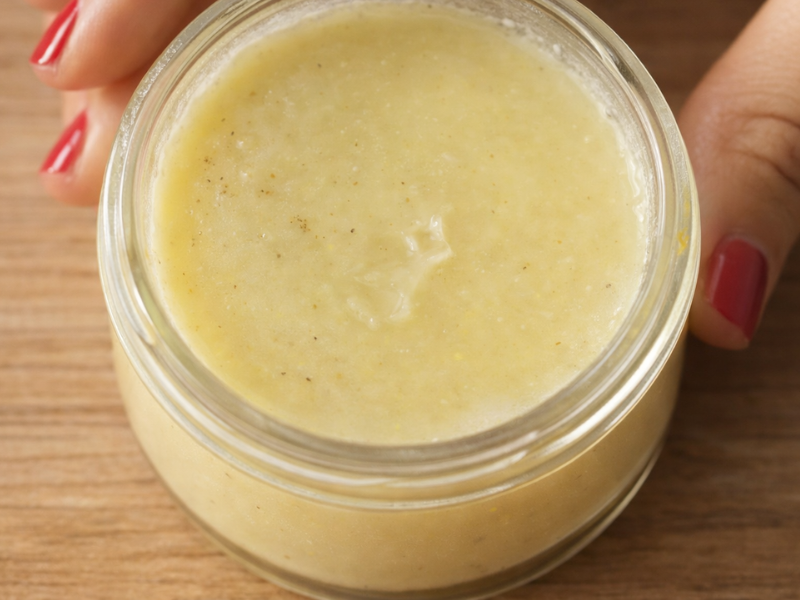
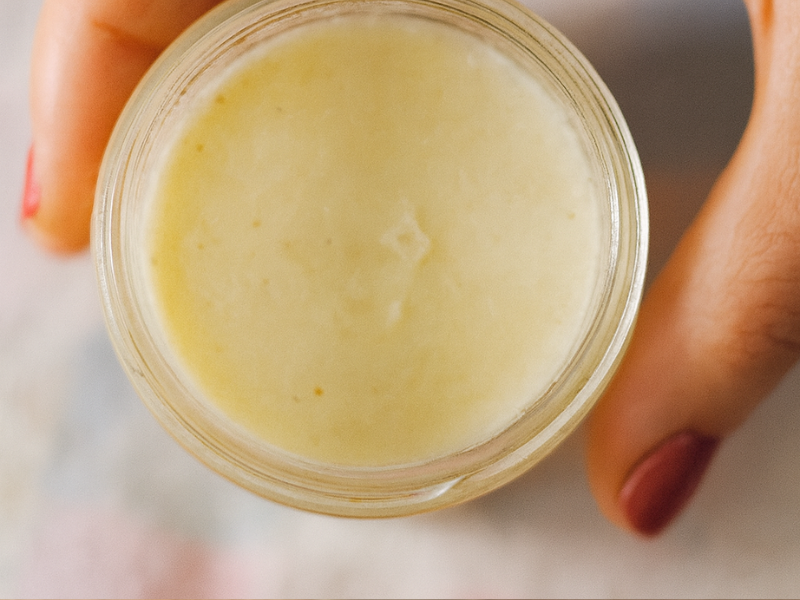
Why make your own cream deodorant
There are plenty of reasons, and honestly they’re all good ones.
It actually works, even on long days
I assumed at first that something natural wouldn’t hold up through a hot day or an afternoon of running errands. It does, and without any artificial fragrance. I’m saying it plainly because I didn’t believe it either until I tried it.
It’s far gentler on your skin
The combination of shea butter, oils and clay leaves the skin genuinely calm. If you shave, if you irritate easily, or if your skin is on the sensitive side, you’ll notice the difference right away.
It doesn’t block sweat
That might sound like a drawback, but it’s really an advantage. Sweating is how your body regulates its temperature, and this deodorant lets it get on with that. You still sweat normally, you just don’t smell, and your skin can breathe. Plenty of people simply prefer to skip the aluminum salts that antiperspirants use to shut that process down.
It smells good without heavy perfume
Tea tree essential oil has a fresh, clean smell and brings antibacterial properties along with it. If you’re not wild about the scent, I’ll give you some combinations further down so you can tailor it.
It lasts a long time and saves you money
This recipe goes further than you’d think. One small jar can last weeks, even with daily use. And all the ingredients keep for ages once you’ve opened them.
You know exactly what’s going on your skin
You recognize every ingredient, you know where it came from, you skip anything you’d rather not put on your body and you cut down on packaging.
It’s a small change that does a lot of good.
What goes into a homemade cream deodorant
Let’s look at what each ingredient is doing, and why the balance between them matters so much.
Baking soda
This is the ingredient that stirs up the most debate, but used in the right amount it’s very good at neutralizing the acids in sweat that cause odor. You don’t need much. It is also the single most common cause of irritation in homemade deodorants, so if you’ve never used one before, start with half the amount and test a small patch on your inner arm for a couple of days before you commit. There’s a baking soda–free version further down if your skin doesn’t get along with it.
Cornstarch
Cornstarch absorbs a bit of moisture, leaves the skin soft and keeps the cream from feeling greasy. It’s the balancing powder, so to speak. Arrowroot powder works just as well if you’d rather use that.
Kaolin clay
This clay is wonderful. It soothes, purifies and leaves the skin comfortable. It also helps keep that fresh feeling going through the day.
Shea butter
The creamy base. It nourishes, repairs and protects. It’s very gentle, and its texture is what makes the deodorant melt into your skin as you apply it.
Carrier oil
We need a light oil to loosen everything up. Coconut oil works great and is naturally antibacterial on top of that, but you can use sweet almond, jojoba or a very mild olive oil, which is what I use.
The full cream deodorant recipe
Here’s the good part. It’s an extremely simple recipe, cheap and very forgiving. It takes under ten minutes and lasts forever. You’ll see there’s no mystery to it, and once you’ve tried it you’ll have a hard time going back to a store-bought stick.
Ingredients for a 3.5 oz jar
• 30 g shea butter (about 2 tablespoons).
• 20 g carrier oil (about 1½ tablespoons — coconut, almond, jojoba, whatever you prefer).
• 15 g cornstarch (about 2 tablespoons).
• 10 g kaolin clay (about 1½ tablespoons).
• 15 g baking soda (about 1 tablespoon).
• 8 to 12 drops of tea tree essential oil.
If you want it firmer, add a little more cornstarch.
If you’d rather have it softer, a few extra drops of oil.
The texture is easy to adjust and comes out perfectly.
Step by step
Let’s take it one piece at a time. It’s easy, but I like to walk through it as if we were making it together.
Step 1
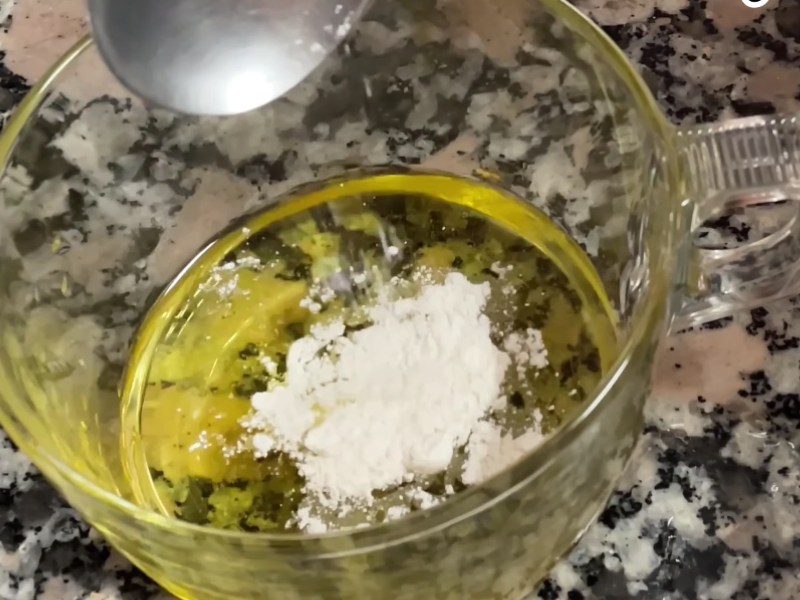
Warm the shea butter in a double boiler along with the oil, just until it softens.
Step 2
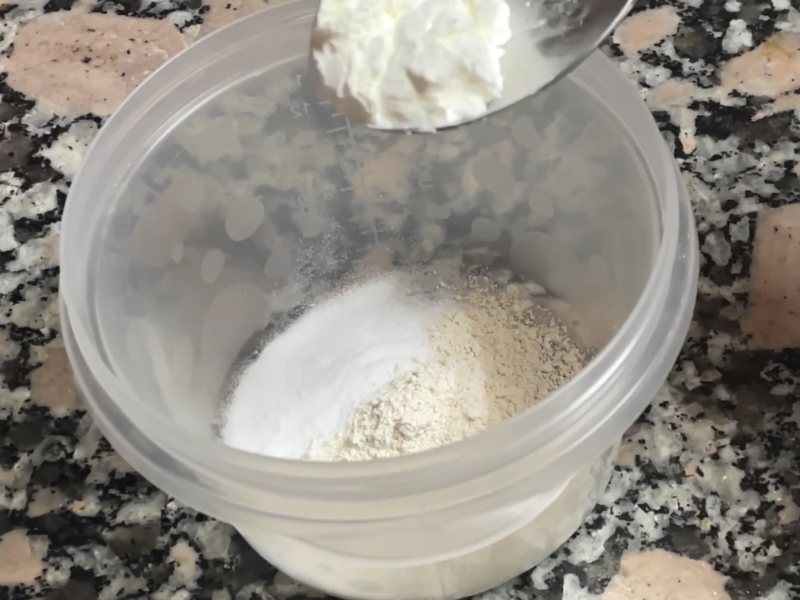
In a separate bowl, mix the cornstarch, kaolin clay and baking soda. Use a spoon or a spatula so you don’t end up with lumps.
This is what makes the final texture smooth and even.
Step 3
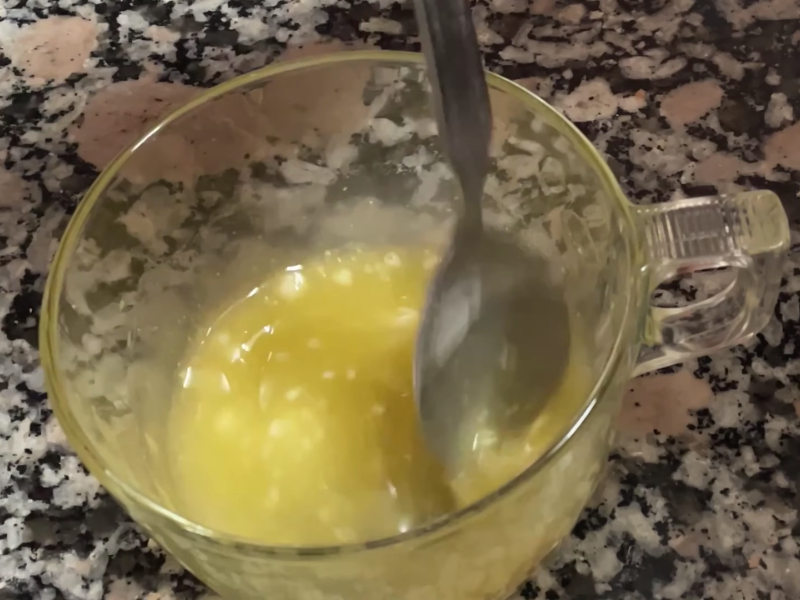
Add the dry ingredients to the bowl of butter and oil. Go slowly, stirring as you add, so everything comes together properly.
This is where it starts turning creamy.
Step 4
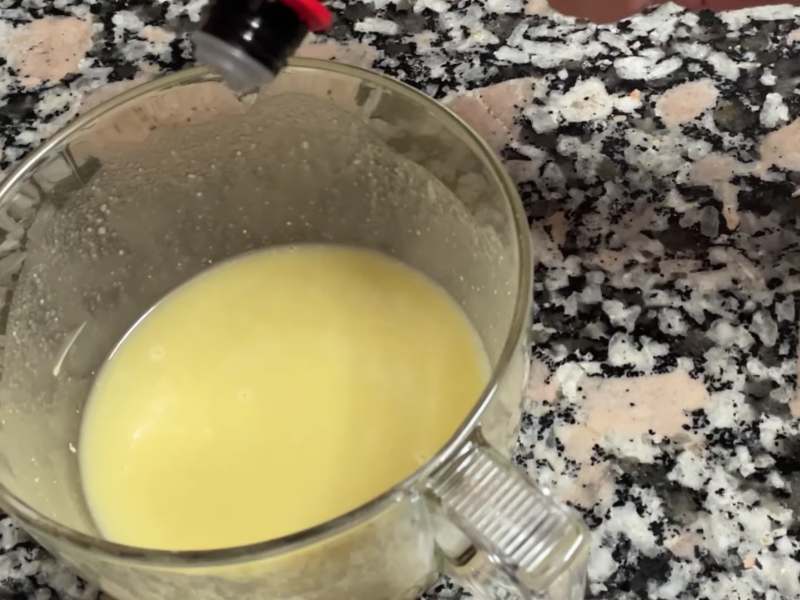
Add the tea tree essential oil — 8 to 12 drops, depending on how strong you like the scent. It adds freshness and it’s a big part of why this deodorant works as well as it does.
Step 5
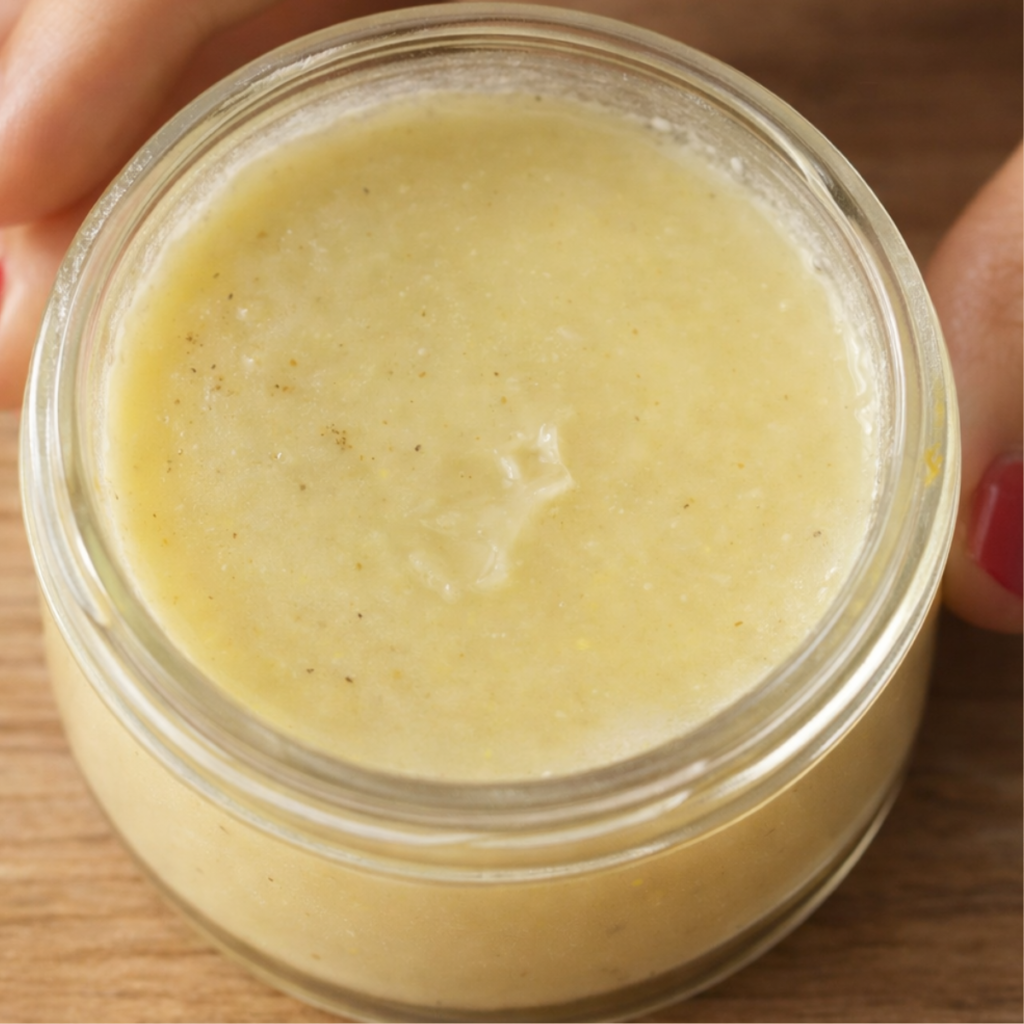
Transfer it to a clean, dry jar and let it sit for a few minutes as it cools. You’ll watch it settle into exactly the right texture.
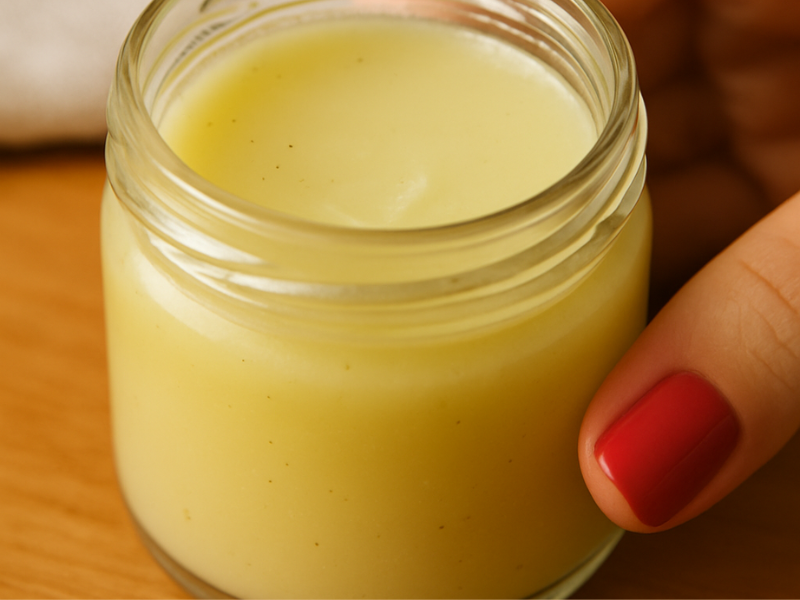
And that’s it. Your homemade cream deodorant, ready to go.
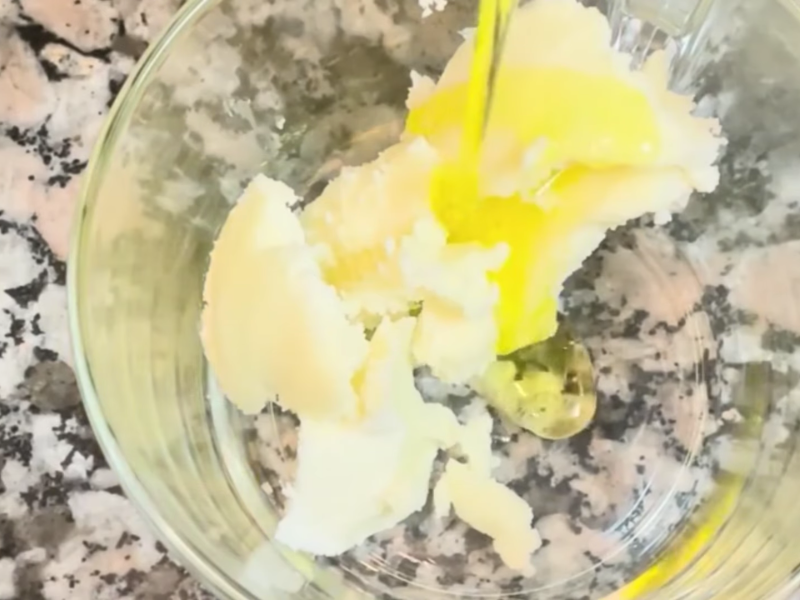
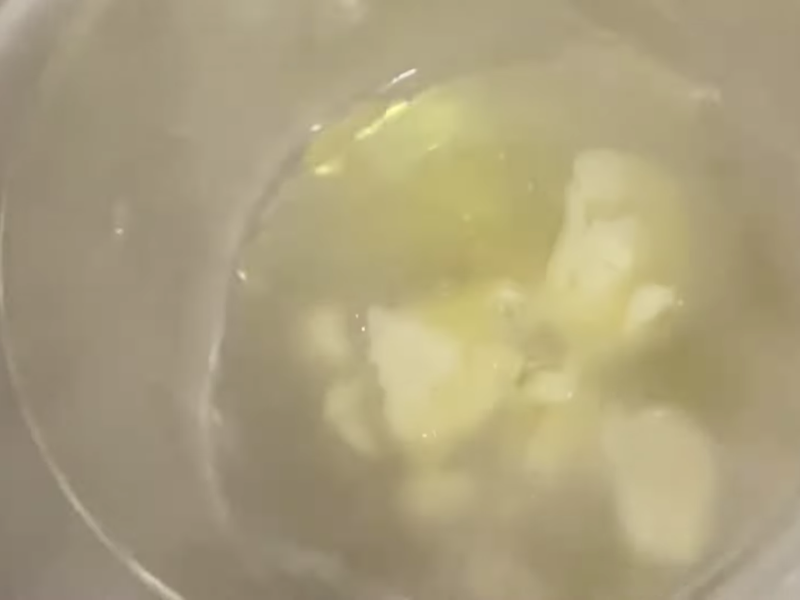
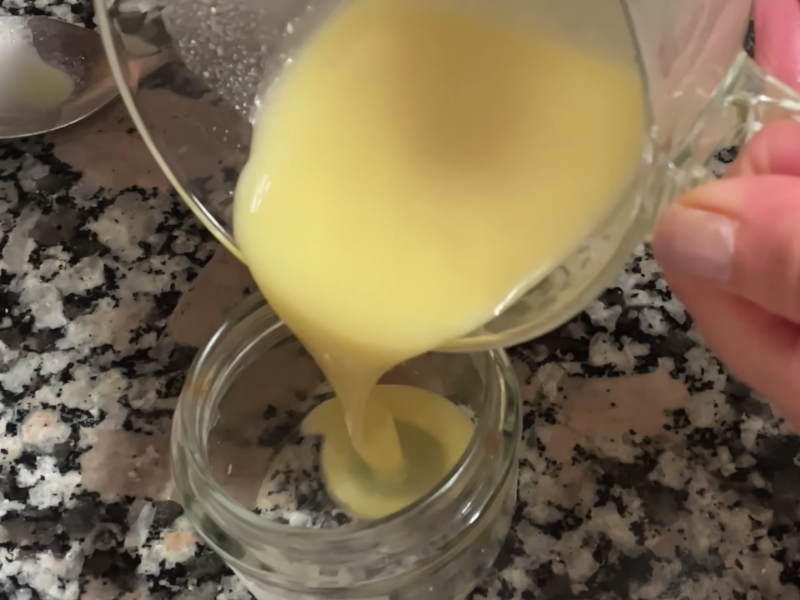
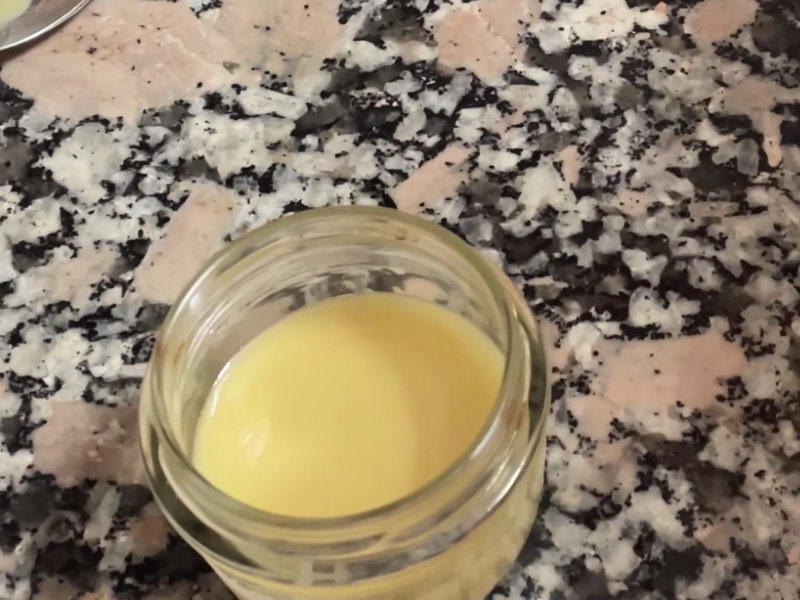
You can watch it on video instead if you’d rather:
Variations for your skin type
One of the advantages of making it yourself is being able to tune it to your own skin. Here are the most useful options.
Sensitive or very delicate skin
If you tend to get irritated, I’d go with the baking soda–free version. Swap it out for more cornstarch and you get a cream that’s incredibly gentle, soothing and still effective.
It’s perfect if you shave, or if your skin reacts to the slightest thing.
If you want a stronger scent
You can combine essential oils that smell wonderful together:
• tea tree and lemon.
• peppermint and eucalyptus.
• rosemary and sage.
• lavender and geranium.
They add fragrance while keeping the antibacterial side of things. One caveat with the citrus blends: cold-pressed lemon oil is phototoxic, so if you’ll be in the sun with bare arms, either use a steam-distilled lemon oil or skip the citrus and go with lavender instead.
If you need more absorbency
If you’re someone who sweats a lot, or it’s simply hot out, you can:
• add a little more cornstarch
• add another half teaspoon of kaolin clay
• use coconut oil, since it’s naturally antibacterial
How to apply it so it works its best
I know this sounds obvious, but how you put it on makes a difference. Here’s how I do it.
The right amount
You don’t need much at all. A blob about the size of half an almond is plenty for each underarm.
When to apply it
Ideally after a shower, on clean, dry skin. If you shave, wait a couple of hours so your skin isn’t quite so raw.
How to spread it
Take a little on your fingertips, rub them together so it softens slightly, then smooth it on. It melts into the skin almost immediately.
The tricks that make the difference
Over time I’ve picked up a few small things that make this deodorant work even better.
Exfoliate once a week
A gentle scrub keeps the skin clean and helps whatever you put on it work better. Oats, sugar or a soft sponge will do the job.
Clean the area before reapplying on hot daysy
Some days you sweat more than usual. If you need to reapply, just rinse with a little water, dry thoroughly and put on a thin layer. Works beautifully.
Don’t overdo the amount
It’s tempting, but too much can mark your clothes or leave you feeling greasy.
Less really is more here.
Storing your cream deodorant
It’s a natural product, so it’s worth storing it properly, but I promise it keeps for a long time.
How long it keeps
About 3 months, easily. If you live somewhere hot, keep it somewhere cool, or even in the refrigerator over the summer.
How to store it
A glass jar with a lid is best. It holds the texture, protects the oils and keeps contamination out. Since there’s no water in this recipe, it doesn’t need a preservative — but that also means water is the one thing to keep out of it. Always scoop with dry fingers or a small spatula.
The baking soda–free version for very sensitive skin
Some people have underarm skin so delicate that even a small amount of baking soda causes irritation. That’s fine, because cream deodorant works without it. All that changes is the balance of the other ingredients.
Here’s the gentler version, the one I’d recommend for sensitive skin, teenagers, or anyone who irritates easily.
Ingredients for the gentle version
• 2 tablespoons shea butter
• 1 tablespoon mild carrier oil (almond, jojoba or even grapeseed)
• 2 tablespoons cornstarch
• 1 tablespoon kaolin clay
• 8 drops tea tree essential oil
• optional: 2 drops lavender or chamomile for extra calm
The texture comes out creamy and light, and feels lovely going on. If you decide later that you’d like it a bit firmer, add half a teaspoon of cornstarch and you’re set.
Common problems and how to fix them
The recipe is simple and usually works the first time, but a few typical situations do come up. Here they are, with the fixes.
It melts in the heat
Shea butter and coconut oil soften as the temperature climbs. Completely normal. Quick fixes:
• add an extra teaspoon of cornstarch.
• keep the jar in the refrigerator through the summer.
• use an oil that’s less temperature-sensitive, like almond or jojoba.
It’s no problem if it goes softer, by the way. It works exactly the same, the texture is just different.
It’s too hard in winter
This happened to me the first time and I assumed I’d done something wrong. I hadn’t. Shea butter simply firms up in the cold.
Fixes:
• add a few more drops of oil.
• stir it with a spoon to loosen it up.
• hold it in your hand for a minute before applying
Remember that the texture also depends on which oil you used.
How this deodorant actually works
I like explaining this part, because once you understand what’s happening on your skin, the whole thing makes more sense.
Sweat itself doesn’t smell. What smells is the bacteria living on your skin as they break down compounds in that sweat. This deodorant goes after them, not the sweat. Here’s how each piece contributes:
• tea tree keeps the bacteria from multiplying.
• baking soda neutralizes the acids in sweat.
• cornstarch keeps the area comfortable and free of excess moisture.
• clay purifies and soothes.
• shea butter protects and softens.
The result is skin that carries on doing its job, just without the unpleasant smell.
Frequently asked questions about homemade cream deodorant
Does it block sweat?
No, and that’s a good thing. We sweat because the body needs to regulate its temperature. Avoiding odor doesn’t have to mean stopping the sweat, it means letting your body do its thing without the smell.
Can teenagers use it?
Yes, especially the baking soda–free version.
It’s gentle, natural and a good place to start. Do a patch test on the inner arm first, as you would with anything new.
Is it safe during pregnancy?
The base recipe generally is, but keep the essential oils mild and use very little. Some oils aren’t recommended in pregnancy, so check with your doctor or midwife before you use them.
Will it stain my clothes?
Only if you use more than you need. A thin, well spread layer shouldn’t leave marks.
How long does it last once applied?
Most of the day for most people, depending on your activity level and your skin. Plenty of people never need to reapply except when it’s really hot.
Is there an adjustment period?
Sometimes, particularly if you’re coming off a strong aluminum antiperspirant. Your skin can take anywhere from a few days to a couple of weeks to settle, and that’s completely normal.
Can I use other essential oils?
Yes, as long as you keep one with antibacterial action in the mix. Some good combinations:
• tea tree with lavender
• lemon with peppermint
• rosemary with sage
• geranium with lavender
That gives you as much room as you like to personalize the scent.
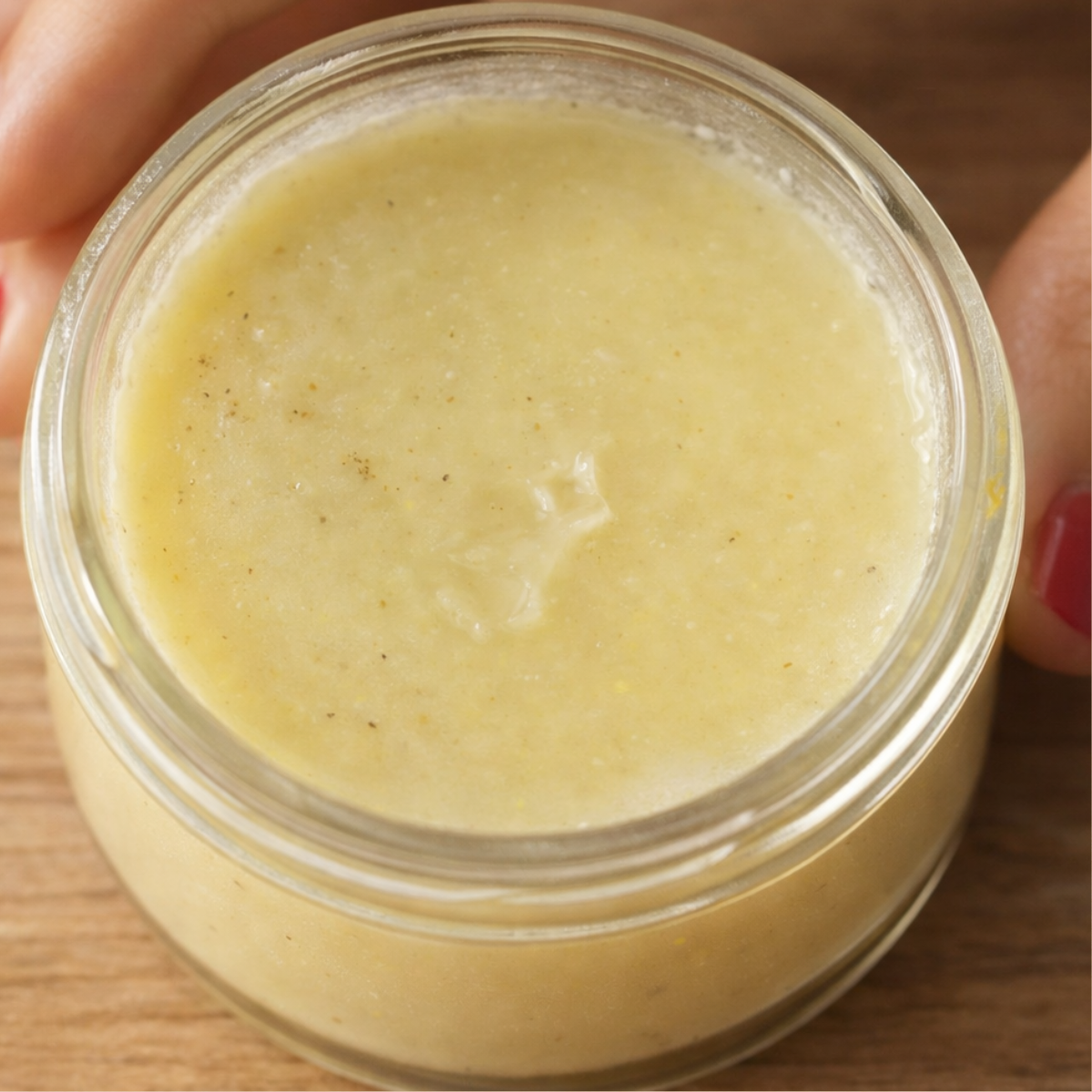
Learn how to make a natural cream deodorant with shea butter, cornstarch, kaolin clay, baking soda and tea tree essential oil. Inexpensive, effective and very gentle on the skin.
Total Time: 15 minutes
Melt the base
Soften the shea butter and the carrier oil together in a double boiler.
Mix the dry ingredients
Combine the cornstarch, kaolin clay and baking soda in a separate bowl.
Bring them together
Add the dry ingredients to the butter and oil a little at a time, stirring as you go.
Add the essential oil
Stir in 8 to 12 drops of tea tree essential oil.
Adjust the texture
Add cornstarch to firm it up or a little more oil to soften it.
Jar it
Transfer the cream to a clean, dry glass jar.
Let it cool
Leave it to cool and set before using.
Tools:
- bowl, spoons, spatula or whisk, glass jar
Materials: shea butter, carrier oil, cornstarch, kaolin clay, baking soda, tea tree essential oil
A small jar that changes your everyday
This homemade cream deodorant is one of those recipes that sticks with you. It’s natural, easy to make, smells good and treats your skin well. On top of that it saves you money and lets you control exactly what you’re putting on.
It’s one of those things that’s genuinely worth it, and once you try it you wonder why you didn’t do it sooner.
I’d love to know if you give it a go, how it works for you and whether you notice a difference in your skin. If you want more natural beauty recipes, just say the word. You know how much I love sharing what’s working for me!